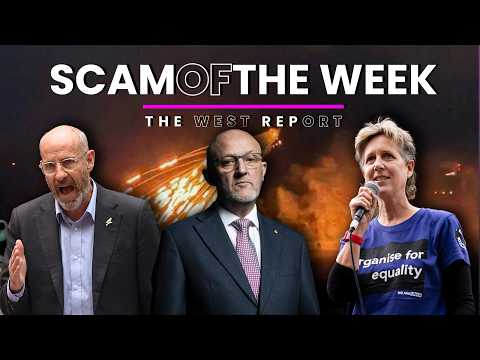
Electricity bills rise July 1 as default offers jump. Super funds face legal action over Israel-linked investments. The market may be underestimating the political and legal risks.
Australian households face another electricity bill shock from July 1, with default market offers rising after the energy regulator approved higher rates. Michael West reported that the increases hit loyal customers who did not switch providers, even as energy retailers posted record profits during the energy crisis. The move transfers inflation pressure directly to household budgets. For investors, the question is whether the rate hikes improve utility margins or trigger a political backlash that caps future increases.
The market has not priced in the regulatory risk, West argued. If the government responds with price caps or a windfall tax, utility stocks could face a rerating. The same companies that benefited from tight supply are now passing on cost increases to customers who lack the time or knowledge to switch. The July 1 change is the next concrete marker. Watch for the government’s response in the weeks after the bills land.
Separately, Australian superannuation funds face growing legal exposure over investments in companies linked to Israel's military operations in Gaza. Human rights organisations are considering legal action against the Future Fund and several industry super funds, West reported. The funds hold stakes in weapons manufacturers and companies supplying equipment used in alleged war crimes. A successful lawsuit could force divestment, creating selling pressure on those stocks and raising compliance costs.
UniSuper members have already voted to divest from companies involved in the conflict. The vote is non-binding. It signals a shift in member sentiment that fund trustees cannot ignore. Other funds face similar pressure ahead of annual member meetings. The risk is not just reputational. If courts rule that the funds breached their fiduciary duty by investing in companies linked to war crimes, the financial liability could run into billions of dollars.
On the media side, News Corp secured a free advertising spot on the Sydney Harbour Bridge for a promotional campaign. The deal was worth an estimated $100,000 in public asset value, West reported. It was approved without a competitive tender. The arrangement raises questions about the value of state-owned advertising inventory and whether other media companies receive similar treatment. For News Corp investors, the free exposure is a small positive. The optics could lead to tighter rules on government advertising spending.
The common thread across these stories is that the market is slow to price in political and legal risks. Utility investors focus on earnings and dividends, ignoring the regulatory sword hanging over the sector. Super fund members focus on returns, not the composition of their portfolios. Media investors focus on ad revenue, not the cost of political favours. Each of these blind spots creates an opportunity for traders who watch the news cycle, not just the balance sheet.
The first court hearing on the super fund legal challenge could come before the end of the year. The New South Wales government may face questions in parliament about the bridge deal. Each event will test whether the market has fully absorbed the risk.
Prepared with AlphaScala editorial tooling from the source reporting linked above. Indexable analysis may include a cited Alpha Score value. Publishing checks screen each story before release. Educational coverage, not personalized advice.