Stocks● Neutral
Australia pays $20M to settle Woomera detention class action
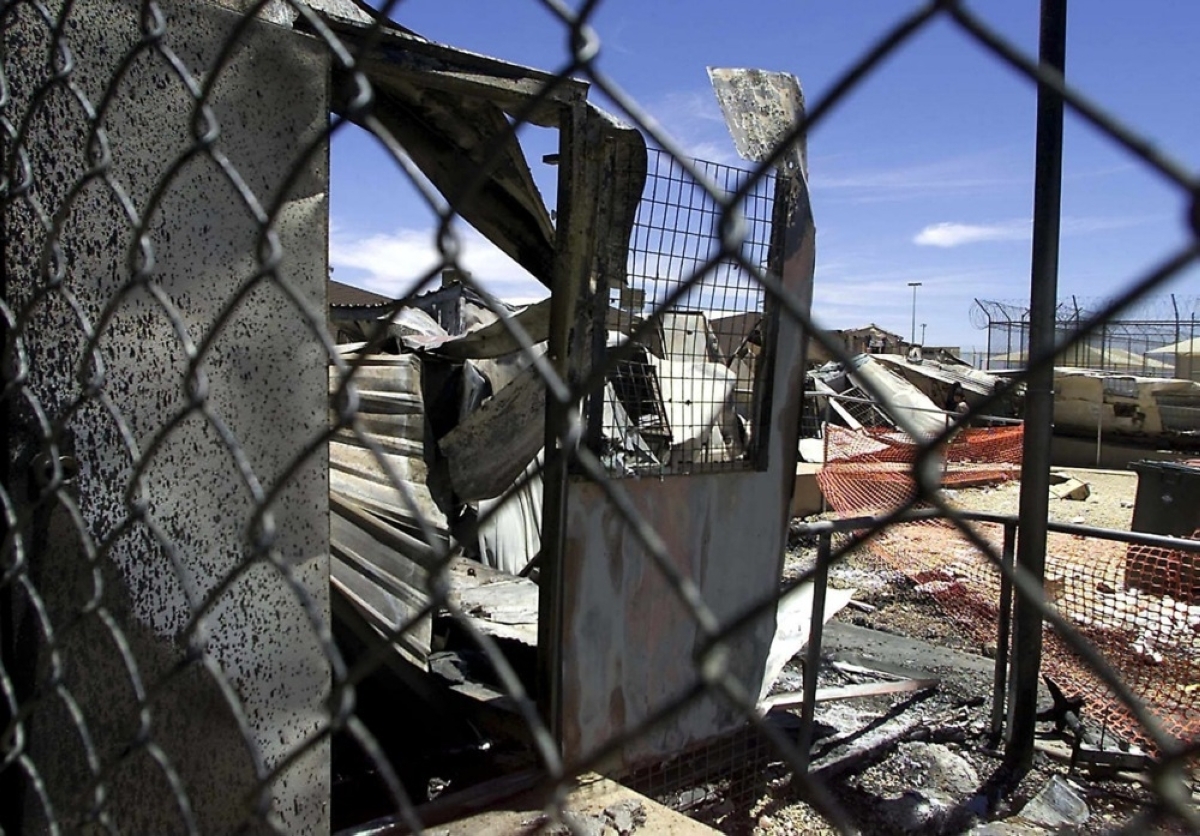
Australia will pay AU$28 million to 38 former detainees of the Woomera detention center, ending a class action over conditions at the desert facility that drew international condemnation.
Continue with
SYDNEY – The Australian government agreed to pay AU$28 million ($20 million) to 38 people who spent time in the Woomera and Baxter immigration detention centers, Shine Lawyers said Friday. The settlement ends a class action alleging serious harm from conditions at the remote desert facility nearly two decades ago.
The Woomera center opened in South Australia's desert in 1999. Within six months it held almost 1,500 people, most from Iraq and Afghanistan. Children made up roughly a third of the detainee population.
Human rights groups widely condemned conditions at the camp. Detainees sewed their lips shut during hunger strikes. Some attempted mass breakouts.
Last week the High Court of Australia ruled the government could not claim immunity from compensation claims for immigration detention found to be unlawful. That decision cleared a legal path for the settlement.
Shine Lawyers described the moment as tempered by grief. "Some group members did not live to see this day," said Nicholas Kitchin of Shine Lawyers in a statement. "For many group members, Australia is now home. They have built lives, families and communities here, while continuing to live with the consequences of an extraordinarily trying chapter in their lives."