The shipbuilder must now reallocate manufacturing resources to maintain throughput. Investors are watching for new contract awards to fill the production gap.
Alpha Score of 54 reflects moderate overall profile with poor momentum, strong value, moderate quality, moderate sentiment.
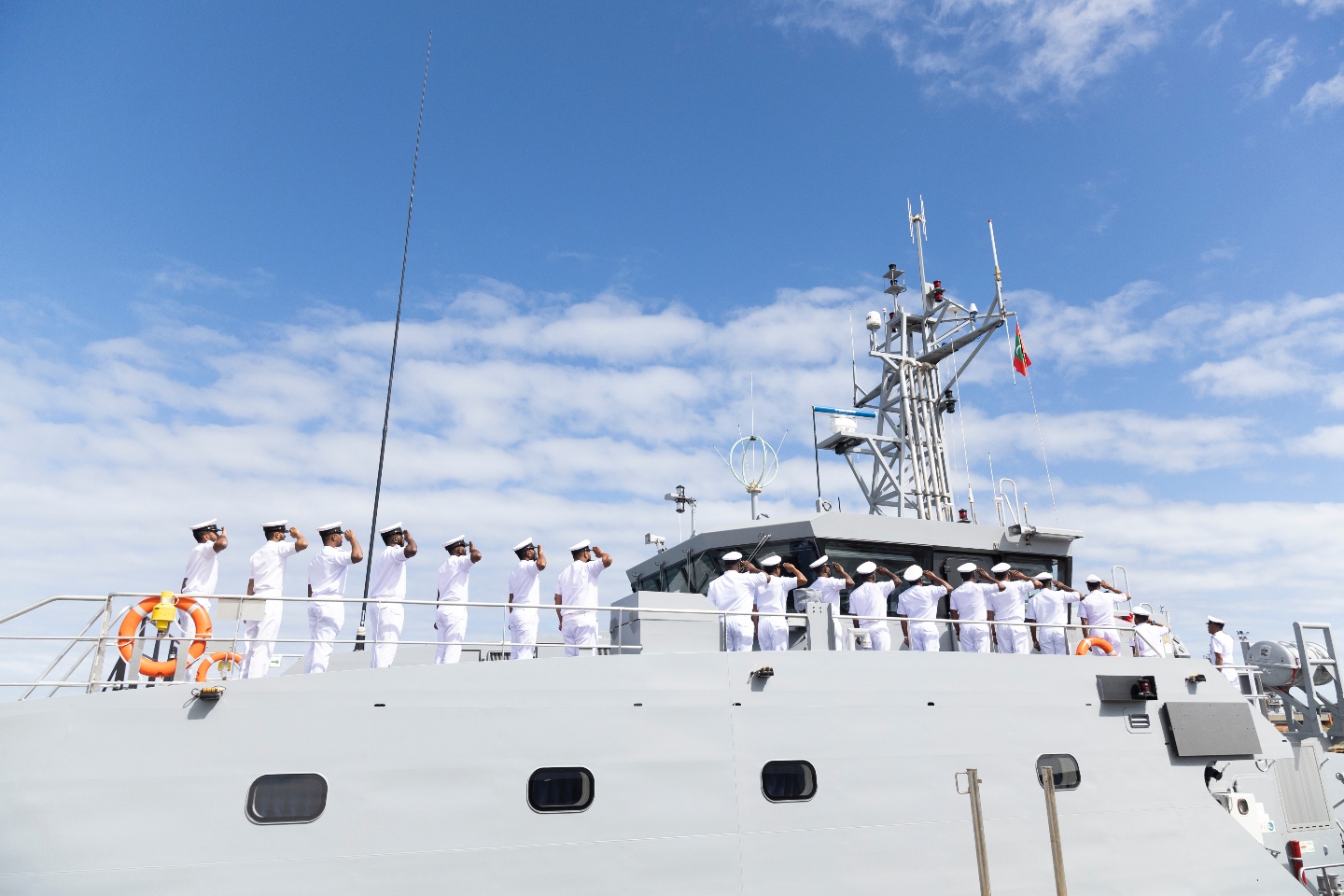
Austal has officially delivered the final vessel under the Guardian-class patrol boat program, marking the conclusion of a multi-year naval manufacturing effort that served as a cornerstone of the company's Western Australian operations. This delivery represents the end of a significant production cycle that spanned several years and involved the construction of multiple vessels designed for regional maritime security. The completion of this contract shifts the narrative for the shipbuilder as it pivots toward its remaining defense obligations and future production pipelines.
The conclusion of the Guardian-class program allows Austal to reallocate its manufacturing resources and workforce toward other active defense projects. Managing the transition between large-scale naval contracts is a critical operational hurdle for shipbuilders, as it requires the synchronization of supply chains and labor deployment. With the final patrol boat now handed over, the company must demonstrate its ability to maintain throughput efficiency while ramping up activity on its other ongoing naval initiatives. The focus now shifts to how effectively the company can utilize its existing infrastructure to meet the requirements of its remaining order book.
The defense shipbuilding sector is currently characterized by a high demand for patrol and surveillance capabilities, driven by increasing maritime security requirements across the Indo-Pacific region. Austal's ability to execute on the Guardian-class program provides a track record that is relevant for future government procurement cycles. The company's performance in this program serves as a primary reference point for its technical capability and project management reliability. Investors are now looking for clarity on how the company intends to backfill the production capacity vacated by this program, as maintaining a consistent delivery cadence is essential for long-term revenue stability.
Naval defense contracts often involve long lead times and complex regulatory oversight, making the transition between major programs a key indicator of operational health. The shipbuilding industry is currently navigating a period where geopolitical demand for maritime assets remains elevated, yet individual company performance is heavily dependent on the successful execution of specific government-funded projects. For those following stock market analysis, the completion of this program is a definitive milestone that effectively closes one chapter of the company's recent history.
The next concrete marker for the company will be the disclosure of its updated production schedule and any new contract awards that effectively replace the Guardian-class program in its active order book. The market will specifically monitor the company's next financial reporting cycle to determine if the conclusion of this program impacts its near-term margin profile or if it successfully transitions to higher-value naval construction projects without significant downtime.
Prepared with AlphaScala research tooling and grounded in primary market data: live prices, fundamentals, SEC filings, hedge-fund holdings, and insider activity. Each story is checked against AlphaScala publishing rules before release. Educational coverage, not personalized advice.