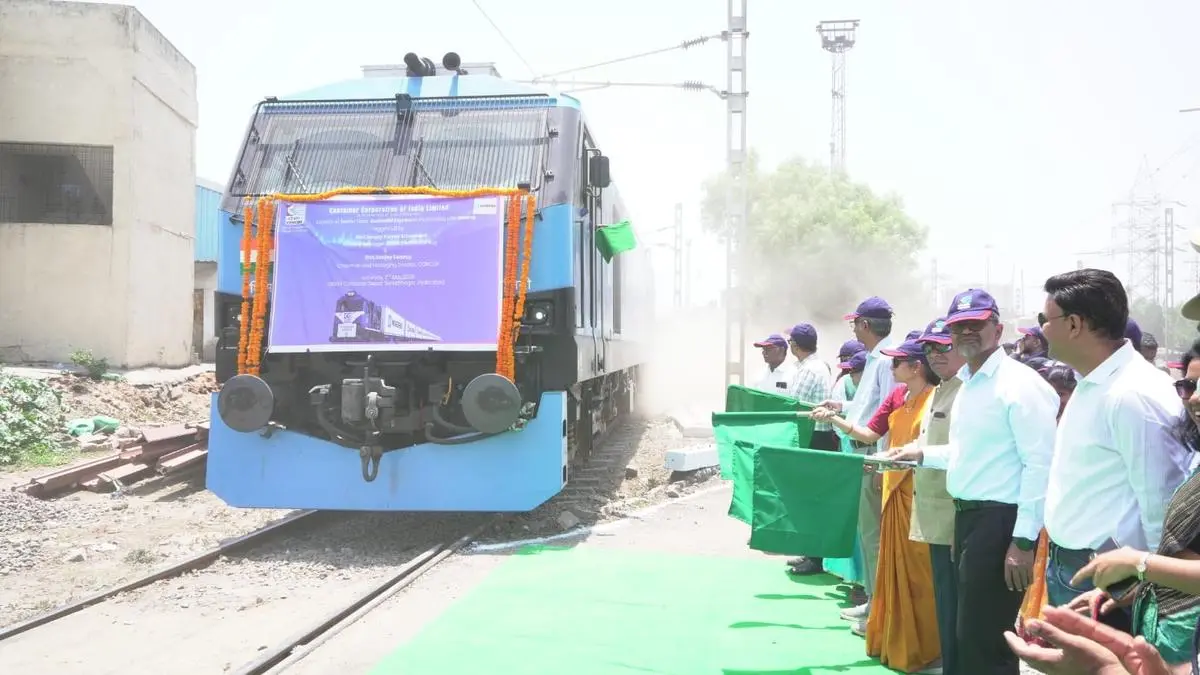
The launch of the Aushadhi Express refrigerated container rake signals a shift in India’s pharmaceutical supply chain strategy. By establishing a dedicated rail-based cold-chain link between Hyderabad and the Jawaharlal Nehru Port Trust (JNPT), the initiative aims to reduce transit times for temperature-sensitive medical exports. This move addresses long-standing infrastructure bottlenecks that have historically forced reliance on road transport for high-value pharmaceutical goods.
Enhancing Cold-Chain Infrastructure
Operated by the Container Corporation of India (Concor), the Aushadhi Express utilizes specialized reefer technology to maintain strict temperature controls during transit. The transition from road to rail is intended to lower logistics costs while improving the reliability of the cold-chain network. For the pharmaceutical sector, which requires precise environmental conditions to ensure product integrity, this rail link offers a more scalable alternative to traditional trucking methods.
By connecting Hyderabad, a major pharmaceutical manufacturing hub, directly to the JNPT port, the service streamlines the export process. This integration reduces the complexity of multi-modal logistics and minimizes the risk of spoilage or degradation during the journey to international markets. The deployment of these rakes represents a broader effort to modernize domestic logistics infrastructure to support the growing volume of pharmaceutical exports.
Sectoral Impact and Efficiency Gains
This development is particularly relevant for stock market analysis regarding logistics and pharmaceutical manufacturing firms. Companies that rely on consistent, cost-effective cold-chain solutions are likely to benefit from the increased capacity and reduced transit times provided by the new rail service. The ability to move larger volumes of temperature-sensitive cargo via rail could lead to improved margins for exporters who previously faced high fuel and maintenance costs associated with long-haul refrigerated trucking.
As the service matures, the focus will shift toward the frequency of these departures and the expansion of the network to other key manufacturing clusters. Investors should monitor future updates regarding the volume of cargo handled by the Aushadhi Express and any subsequent plans to integrate additional routes. The success of this pilot will serve as a primary indicator for the viability of rail-based cold-chain logistics in the broader Indian market.