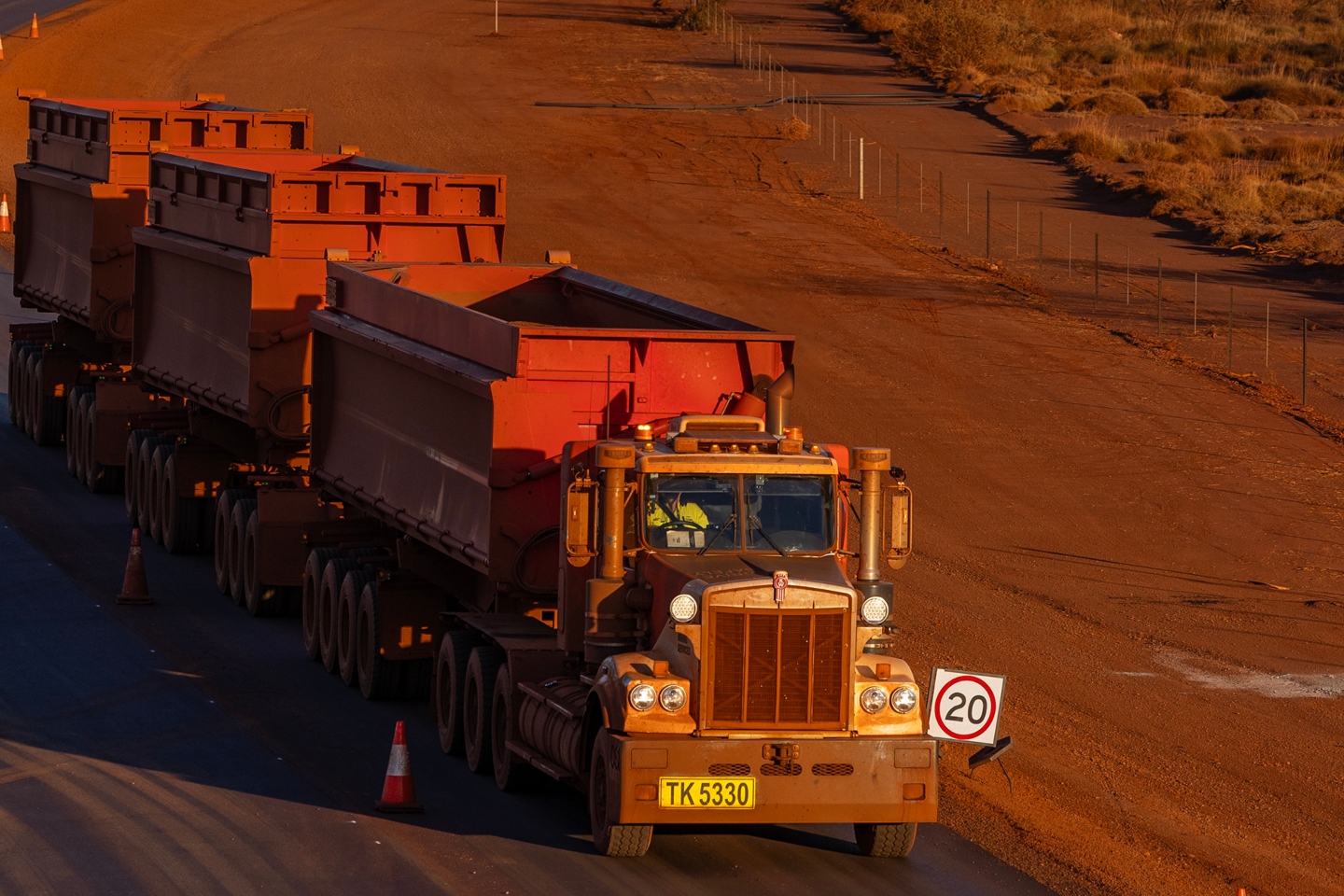
Aurizon Faces Legal Challenge Over Murrin Murrin Haulage Fees

David Campbell Transport has initiated legal proceedings against Aurizon to recover $8 million in unpaid haulage fees related to Glencore's Murrin Murrin operations, signaling potential friction in industrial logistics supply chains.
David Campbell Transport has initiated legal proceedings against Aurizon, filing a writ in the Supreme Court to recover approximately $8 million in allegedly unpaid haulage fees. The dispute centers on logistics services provided at the Murrin Murrin mining operations, a site owned by Glencore. This litigation marks a significant escalation in the commercial relationship between the two transport entities and highlights the friction inherent in large-scale industrial supply chains.
Contractual Disputes in Industrial Logistics
The core of the conflict involves the financial settlement for transport services rendered at the Murrin Murrin site. For Aurizon, which operates as a major rail and logistics provider, the dispute introduces potential reputational and financial risks regarding its sub-contracting arrangements. The $8 million figure represents a material claim for a transport firm, suggesting that the disagreement involves either a fundamental dispute over contract terms or a breakdown in payment cycles for long-term haulage agreements.
Legal filings often serve as a catalyst for broader transparency regarding how major logistics firms manage their vendor ecosystems. When a dispute reaches the Supreme Court, it forces a public accounting of the contractual obligations that underpin the movement of commodities. The outcome of this case will likely influence how other subcontractors view the reliability of payment structures within the broader stock market analysis of industrial logistics providers.
Sector Read-Through for Rail and Freight
The mining logistics sector relies heavily on complex, multi-layered service agreements where primary contractors manage the flow of goods for major miners like Glencore. If this dispute indicates a wider trend of delayed payments or contested invoices, it could signal tightening liquidity or administrative strain within the freight sector. Investors often monitor these legal developments to assess whether such disputes are isolated incidents or symptoms of broader operational inefficiencies.
Aurizon remains a critical player in the Australian rail network, and its ability to manage its supply chain partners is a key component of its operational stability. The company must now navigate the discovery process, which may reveal details about its internal accounting practices and its relationship with secondary haulage providers. While the immediate financial impact of an $8 million claim is manageable for a firm of Aurizon's scale, the precedent set by a court ruling could lead to increased scrutiny of its procurement and payment policies.
Next Steps in the Litigation Path
The immediate focus for observers will be the formal response from Aurizon in the Supreme Court. The company will need to clarify its position on the outstanding invoices and whether it disputes the validity of the services rendered or the pricing structure applied. This filing will provide the first official indication of whether the matter is likely to reach a settlement or proceed to a full trial.
Beyond the courtroom, the resolution of this case will serve as a marker for the health of the industrial transport sector. Future updates regarding the status of the writ will determine if this dispute remains a localized commercial disagreement or if it necessitates a broader reassessment of the contractual risks associated with heavy-haulage logistics. The next procedural hearing will be the primary indicator of the timeline for a potential resolution or a protracted legal battle.
AI-drafted from named sources and checked against AlphaScala publishing rules before release. Direct quotes must match source text, low-information tables are removed, and thinner or higher-risk stories can be held for manual review.