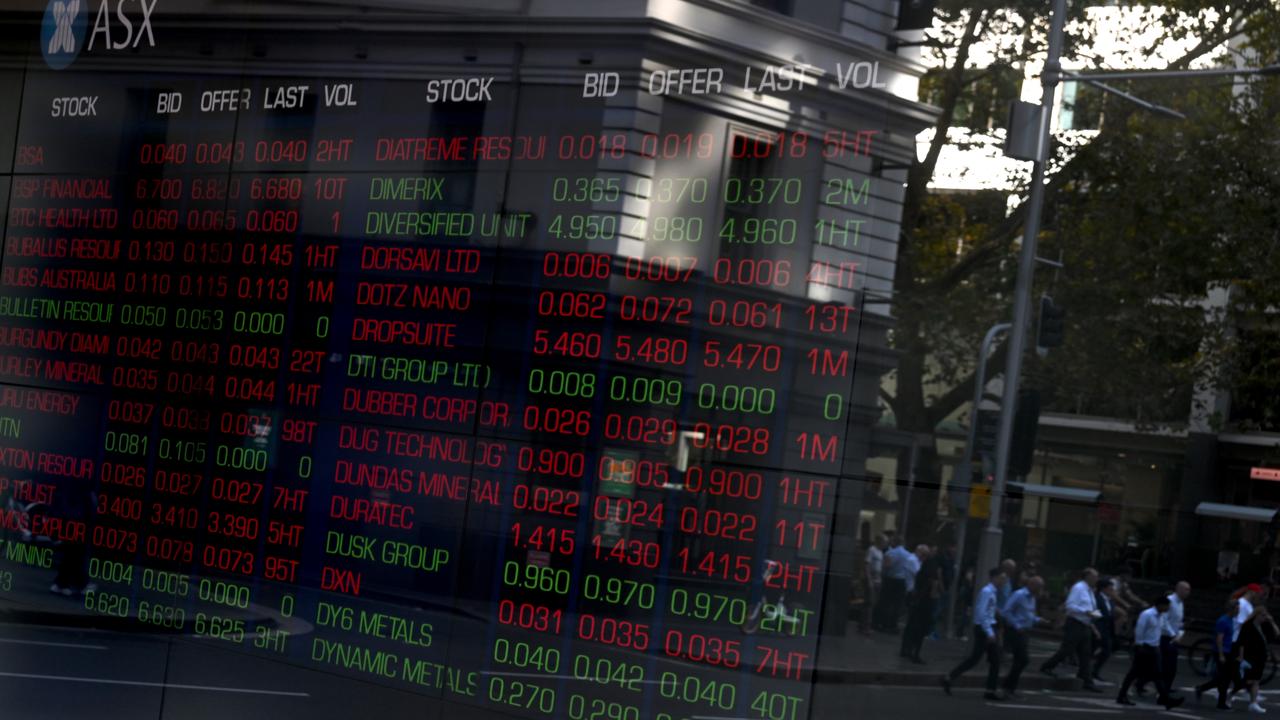
The ASX fell 0.5% as Middle East tensions pushed oil prices higher. Underwhelming bank earnings are compounding the selloff, signaling a shift in market risk.
Alpha Score of 42 reflects weak overall profile with poor momentum, weak value, strong quality, strong sentiment.
The Australian equity market is tracking toward a second consecutive session of losses, with the benchmark index retreating 0.5% as geopolitical friction in the Middle East disrupts investor risk appetite. The selloff is compounded by a lackluster reporting season from local banking institutions, creating a dual-headwind environment that is forcing a repricing of defensive positions.
The primary catalyst for the current volatility is the escalation of hostilities between the United States and Iran. A U.S. initiative to secure the Hormuz Strait has triggered a direct show of force from Iranian military assets, shattering the fragile truce that had previously supported a period of relative calm in global energy markets. Because the Hormuz Strait serves as a critical chokepoint for global oil transit, the immediate reaction in commodity markets has been a sharp surge in crude prices. For equity investors, this creates a complex transmission mechanism. While energy-linked equities may see short-term valuation support from higher spot prices, the broader market is reacting to the inflationary implications and the potential for a sustained supply chain disruption. The rise in oil prices is acting as a tax on consumer discretionary spending and industrial margins, which is currently outweighing the sector-specific gains in the energy patch.
Beyond the geopolitical noise, the local banking sector is struggling to provide a positive catalyst for the broader index. Recent earnings prints from major lenders have failed to exceed market expectations, leading to a rotation out of financial stocks that typically anchor the ASX. This sector-wide weakness is particularly damaging because banks constitute a significant portion of the total market capitalization. When these heavyweights underperform, the index lacks the structural support required to absorb external shocks like the current Middle East instability. The combination of underwhelming bank margins and rising input costs for the broader economy has led to a defensive shift in stock market analysis as participants move toward cash or lower-beta assets.
Market participants are now evaluating whether this 0.5% decline represents a temporary consolidation or the start of a deeper structural correction. The current setup is characterized by thin liquidity, which often exacerbates price swings during periods of heightened geopolitical uncertainty. As seen in recent ASX midday selling patterns, the lack of depth in the order book during the middle of the trading day can lead to rapid price degradation when institutional sellers move to hedge their exposure. The next decision point will arrive with the overnight close of international markets and any further developments regarding the Hormuz Strait. If oil prices maintain their current trajectory, expect further pressure on consumer-facing sectors and a potential rotation into defensive utilities or gold-linked equities. Traders should monitor the 7,500 level on the index as a critical support marker that, if breached, could signal a more aggressive unwinding of long positions.
AI-drafted from named sources and checked against AlphaScala publishing rules before release. Direct quotes must match source text, low-information tables are removed, and thinner or higher-risk stories can be held for manual review.