Stocks● Neutral
Asics Spin-Off Isolates Onitsuka Tiger's 38% Margin Engine
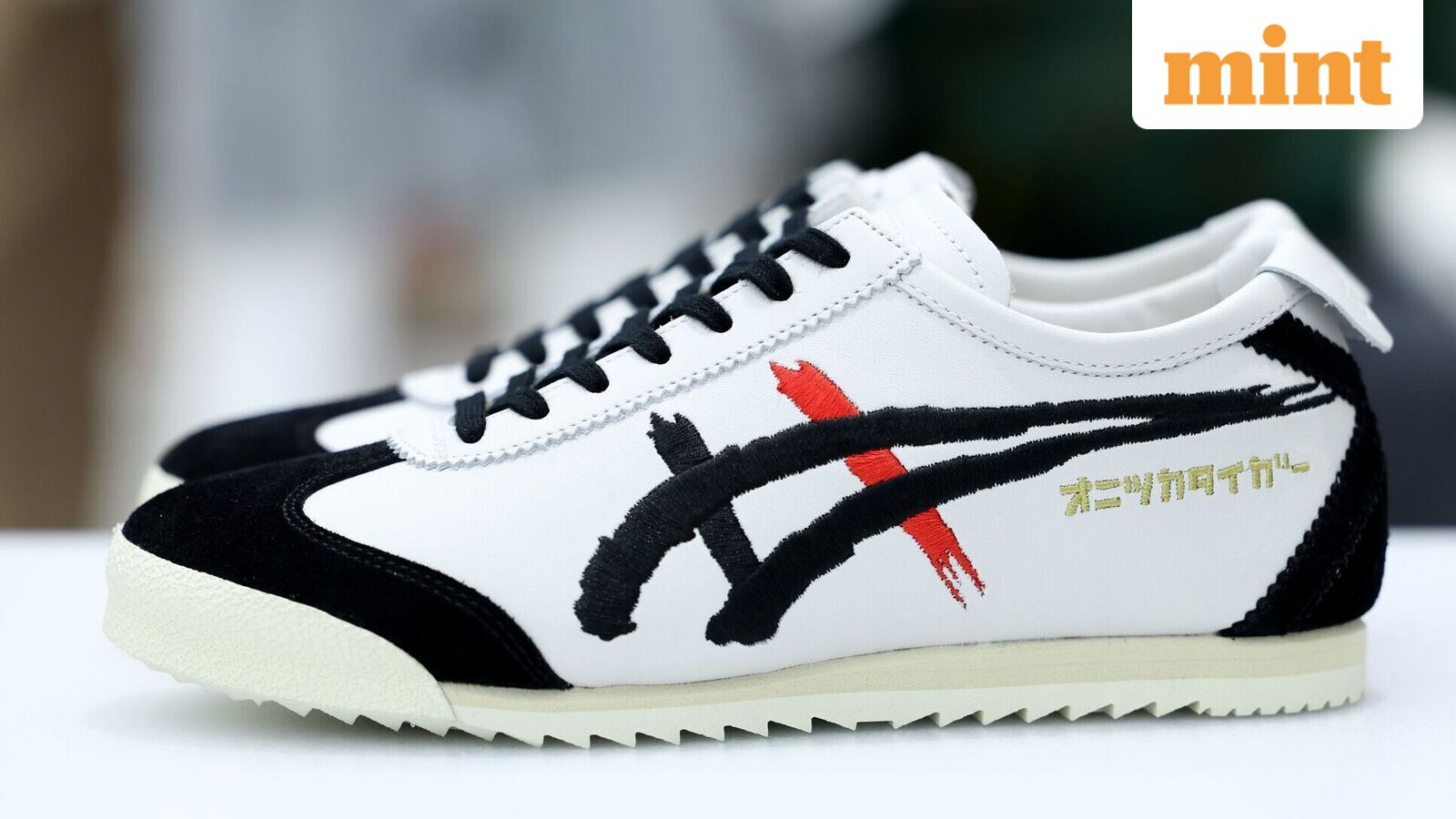
Asics transfers its high-margin Onitsuka Tiger brand to a wholly owned subsidiary to speed decision-making. The brand posted 38% margins on 43% sales growth. Flagship stores in LA, Tokyo, Shanghai by September.
Continue with
Japan's Asics on Wednesday said it will spin off its Onitsuka Tiger business into a wholly owned subsidiary called OT Group. The move takes effect January 1. There are no plans to take the unit public, CEO Yasuhito Hirota told reporters.
The spin-off isolates a brand that has been the company's most profitable engine. Onitsuka Tiger posted a 38% operating margin last year, the highest among Asics' five core categories. Sales rose 43% to 136.5 billion yen ($851 million), lifted by European demand and inbound tourism to Japan.
Asics has posted four consecutive years of record profit, driven in large part by the retro sneaker brand's surge. The brand traces its roots to Asics' predecessor founded in 1949 by Kihachiro Onitsuka, who named it "Tiger" for strength and agility.
Tatsunori Kawai, chief strategist at Mitsubishi UFJ ESmart Securities, said a spin-off makes sense for fast-growing companies where decision-making slows as organisations get larger.
Ryoji Shoda, named CEO of OT Group, said Onitsuka Tiger's 2023 withdrawal from the U.S. stemmed partly from a conflict in approach between Asics America and the brand. The brand now plans a flagship store in Los Angeles in February. In Japan, it opens its biggest Tokyo flagship in Shinjuku on July 10, followed by another in Nagoya in August. Stores in Shanghai and Seoul are set by September, with Milan later.