A Sudden Shift in Geopolitical Risk
Asian equity markets, led by aggressive gains in the technology and semiconductor sectors, staged a robust rally on Tuesday following the announcement of a conditional two-week ceasefire between the United States and Iran. The de-escalation of hostilities in the Middle East has provided a much-needed reprieve for investors who had been bracing for a potential disruption in global trade routes, specifically the Strait of Hormuz.
For traders and macro-strategists, the news serves as a critical circuit breaker in a market that had been increasingly sensitive to energy volatility. The Strait of Hormuz, a vital maritime chokepoint, carries approximately one-fifth of the world’s oil consumption. Any sustained conflict in the region would have likely triggered a massive spike in energy prices, cascading into inflationary pressures and severe supply chain bottlenecks for the capital-intensive semiconductor industry.
Semiconductors: The Primary Beneficiary
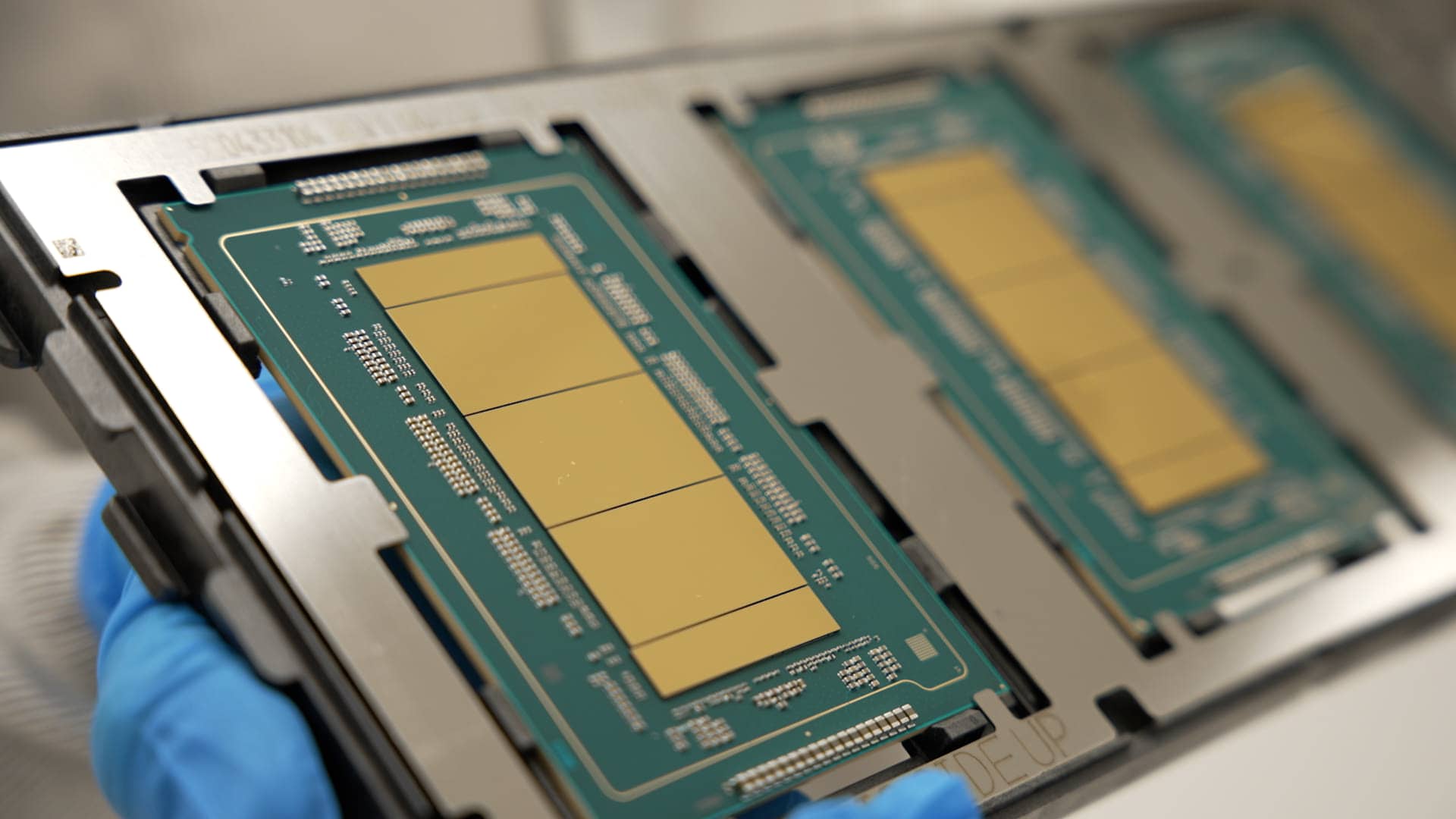
Semiconductor stocks, which are particularly sensitive to both energy costs and the stability of global logistics, saw the most significant price action. As these firms rely on highly complex, just-in-time supply chains, the prospect of a two-week window of stability has allowed for a swift repricing of risk. Investors have moved quickly to rotate back into these high-beta tech names, betting that the immediate threat of a catastrophic supply disruption has been neutralized.
This sector-wide surge reflects the fragility of the post-pandemic tech supply chain. While the two-week ceasefire is only a temporary measure, it provides the breathing room necessary for global shipping companies to reassess routes and for energy markets to stabilize. The relief rally indicates that the market was heavily positioned for a ‘worst-case’ scenario, and this unexpected positive development has forced short-covering across major Asian indices.
Assessing the Market Implications
For traders, the primary takeaway is the resilience of the ‘risk-on’ sentiment when geopolitical tail risks are mitigated. However, caution remains the prevailing theme among institutional desks. While the ceasefire is a welcome development, its ‘conditional’ nature means that market volatility could return rapidly should negotiations fail or if the ceasefire is violated before the two-week term concludes.
Furthermore, the correlation between energy prices and tech stocks remains at a cyclical high. Traders should monitor Brent and WTI crude oil futures closely; any sign of a sustained price retreat in energy markets will likely act as a secondary catalyst for further gains in the tech sector, as it alleviates fears regarding operational overhead and inflationary headwinds.
Looking Ahead: What Comes Next?
As the two-week clock ticks, the focus will shift toward diplomatic progress. Investors are looking for signs of a more permanent framework for de-escalation. Should the parties move toward a longer-term resolution, we may see a broader rotation into cyclicals and away from the defensive positioning that dominated the pre-ceasefire environment.
Conversely, if tensions flare before the expiration of the current agreement, expect a rapid unwinding of these gains. Market participants should prepare for heightened intra-day volatility, particularly in the tech-heavy indices, as traders react to every news headline emanating from the region. For now, the sentiment is decidedly optimistic, but the mandate remains: watch the news flow and keep stop-losses tight in a market that remains sensitive to the shifting sands of global security.