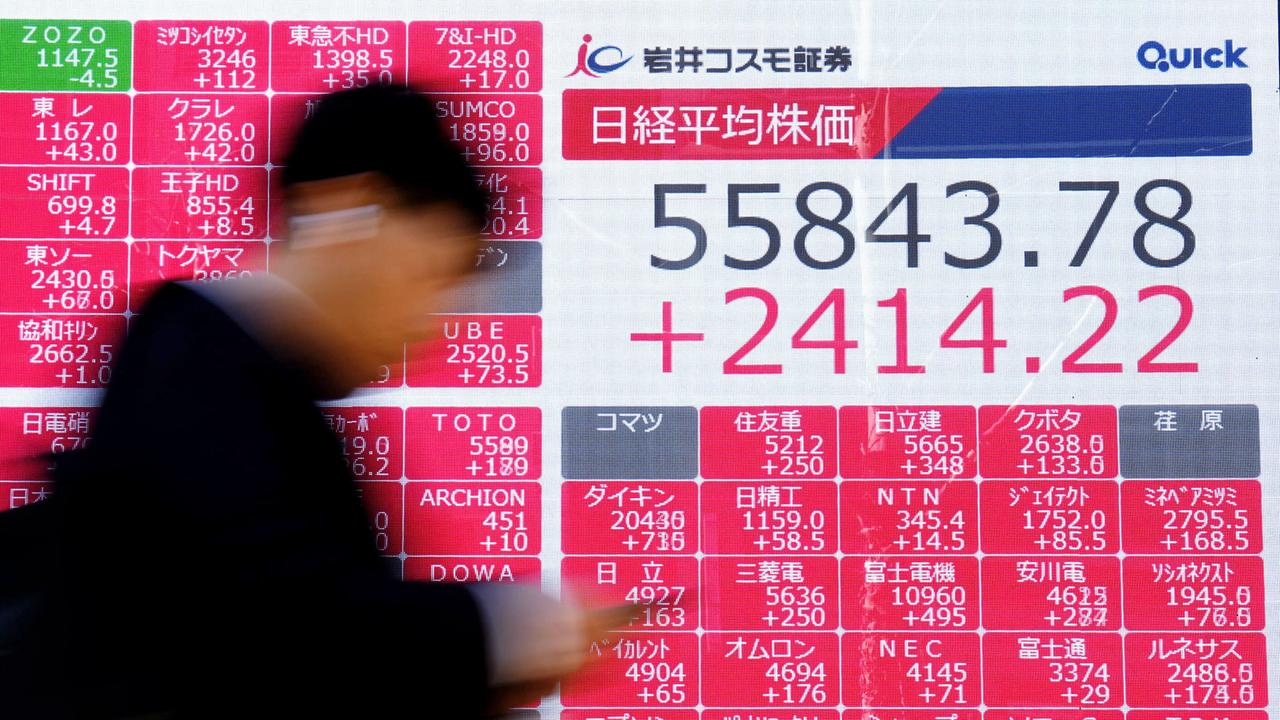
A Shift in Sentiment
Global financial markets have entered a period of recalibration this morning as the optimism that defined recent trading sessions collides with the hardening reality of geopolitical volatility in the Gulf. Investors, who had previously been buoyed by cooling inflation narratives and central bank pivot expectations, are now exhibiting signs of caution, leading to a broad-based pullback across Asian indices and a softening in U.S. equity futures.
MSCI’s broadest index of Asia-Pacific shares outside Japan has eased by 0.3%, signaling a retreat from recent highs as market participants weigh the potential for supply chain disruptions and energy price volatility. The decline reflects a broader trend of risk-off sentiment permeating the Asia-Pacific region, where local investors are recalibrating their portfolios to account for the heightened uncertainty emanating from the Middle East.
U.S. Futures Under Pressure
The ripple effects of this cautious sentiment are clearly visible in the pre-market activity for U.S. equities. Both S&P 500 futures and Nasdaq futures have dipped by 0.2%, suggesting that the negative momentum is expected to carry over into the New York session. For traders, this movement underscores the sensitivity of high-growth tech stocks and broad market indices to external shocks that could threaten global trade routes or spike commodity costs.
Historically, when geopolitical tensions flare in the Gulf region, the immediate market reaction is a flight toward safe-haven assets. While the current retreat is moderate, the 0.2% decline in futures indicates that institutional desks are preemptively hedging against further escalation. Market participants are watching closely to see if this caution evolves into a broader liquidity crunch or if it remains a temporary adjustment to a changing risk landscape.
Market Implications and Trader Strategy
For the professional trading community, the current environment necessitates a move toward defensive positioning. The primary concern is not just the immediate impact on equity prices, but the secondary effects on inflation expectations. If energy prices continue to respond to Gulf tensions, the disinflationary trend that has supported the Federal Reserve's recent dovish rhetoric could be derailed, potentially forcing a shift in interest rate expectations.
Traders should be monitoring the volatility index (VIX) and energy-linked equities as primary indicators of market distress. If the 0.2% decline in U.S. futures accelerates, it may signal that the prevailing 'soft landing' narrative is losing credibility among institutional players. Conversely, if the markets stabilize at these levels, it suggests that the current geopolitical risk is already being priced in as a manageable variable.
What to Watch Next
As we move through the trading week, the focus will shift from the initial headline reactions to the underlying data. Investors will be looking for any signs of direct intervention or diplomatic resolutions that could de-escalate the situation. Furthermore, upcoming economic data releases—specifically those related to energy consumption and consumer sentiment—will provide a clearer picture of whether these geopolitical risks are beginning to impact the real economy. For now, the prevailing theme remains one of 'wait and see,' with markets prioritizing capital preservation over aggressive growth bets until the path forward becomes more transparent.