Arday Suicide Pressures DEI Hiring at Elite Universities
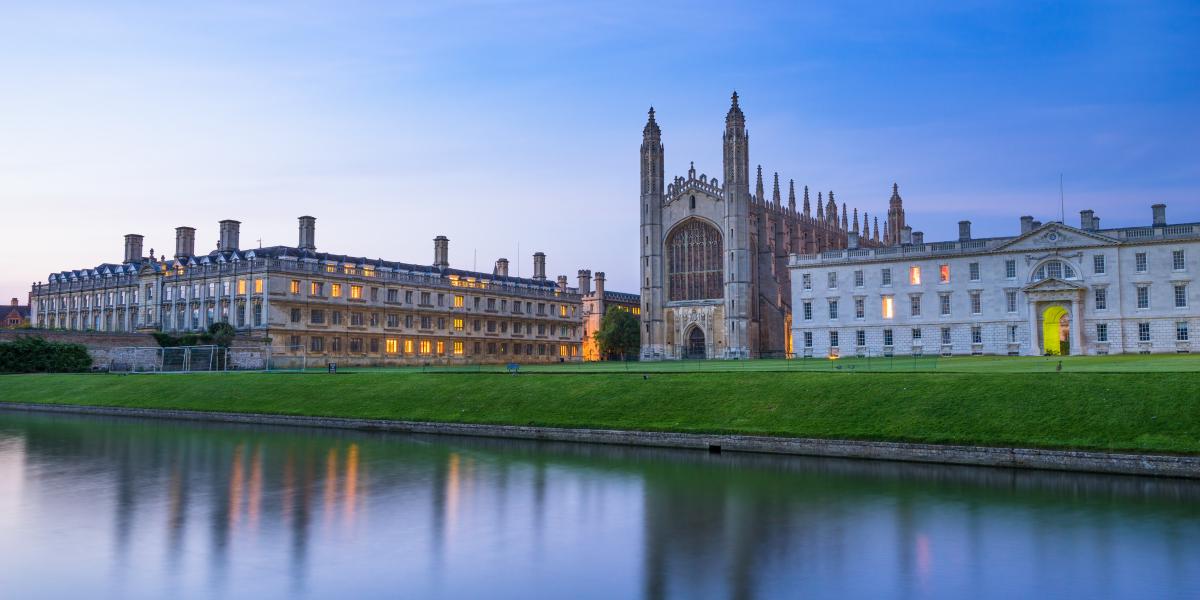
Cambridge professor Jason Arday's suicide after a fabrication scandal pressures elite universities to justify DEI hiring. Internal review due in 60 days
The suicide of former Cambridge University sociology professor Jason Arday has tightened scrutiny of diversity, equity and inclusion hiring practices at elite universities. Arday resigned in March after an internal investigation determined he fabricated large parts of his academic record. His death was confirmed by university officials last week.
Arday claimed to have run 600 miles in six days and overcome autism, epilepsy, locked-in syndrome, testicular cancer and a brain tumor before age 30. Investigators found he had plagiarized large sections of his published work, including a repeated grammatical error copied directly from the source material. His resignation letter appeared to be AI-generated, analysts who reviewed it said.
Ibrahim X. Kendi, the author and former head of Boston University's Center for Antiracist Research, said Arday was the victim of a "racist lynch mob." Cambridge Chancellor Lord Chris Smith called the criticism a "racist feeding frenzy." Thousands gathered in Trafalgar Square to demand an inquiry into press coverage they said drove Arday to suicide. British police had previously investigated a journalist who helped expose the plagiarism.
Coleman Hughes, a writer and podcast host, said the case showed "the bigotry of low expectations" in academia. "White liberals in the English-speaking world want to believe in the archetype of the up-from-nothing black intellectual," Hughes wrote. "They want to believe so badly that they are willing to turn off every ounce of skepticism."
John McWhorter, a Columbia University linguist, called Arday a "Magic Negro" whose enablers suspended judgment to feel good about themselves. He noted that Arday's work had no original ideas and that he could not supervise students or teach effectively.
Tyler Austin Harper, who left a tenure-track position at a New England college over frustration with DEI orthodoxy, urged the public to treat Arday "like a person, not like Cambridge's magical negro." He said systemic dishonesty – Arday's own and others' – undid him.
Reputational risk for universities
The scandal adds to a growing list of incidents – from Harvard's plagiarism cases to the collapse of the University of Austin's DEI office – that pressure administrators to justify spending on diversity initiatives. A high-profile fraud case undermines the credibility of DEI programs and could trigger donor pullback, legislative hearings or lawsuits alleging that students were graded against lowered standards, legal experts said.
For-profit education companies have limited direct exposure to UK university DEI spending, analysts said. Grand Canyon Education (LOPE) and Strategic Education (STRA) do not rely on DEI program revenue as a core driver. The sector's broader reputation could still face headwinds if scrutiny of admissions and hiring practices widens.
Cambridge's internal review, expected within 60 days, will name the officials who approved Arday's hiring and promotion. A finding of systemic failures could prompt similar audits at other UK and US universities, slowing adoption of DEI hiring mandates and shifting funding toward merit-based scholarship programs, education policy researchers said.
Drafted by a large language model from the source reporting linked above, then screened by automated publishing checks. It is not read by a journalist before publication. Some articles cite our Alpha Score. Verify prices and figures against the original source. Educational coverage, not personalized advice.