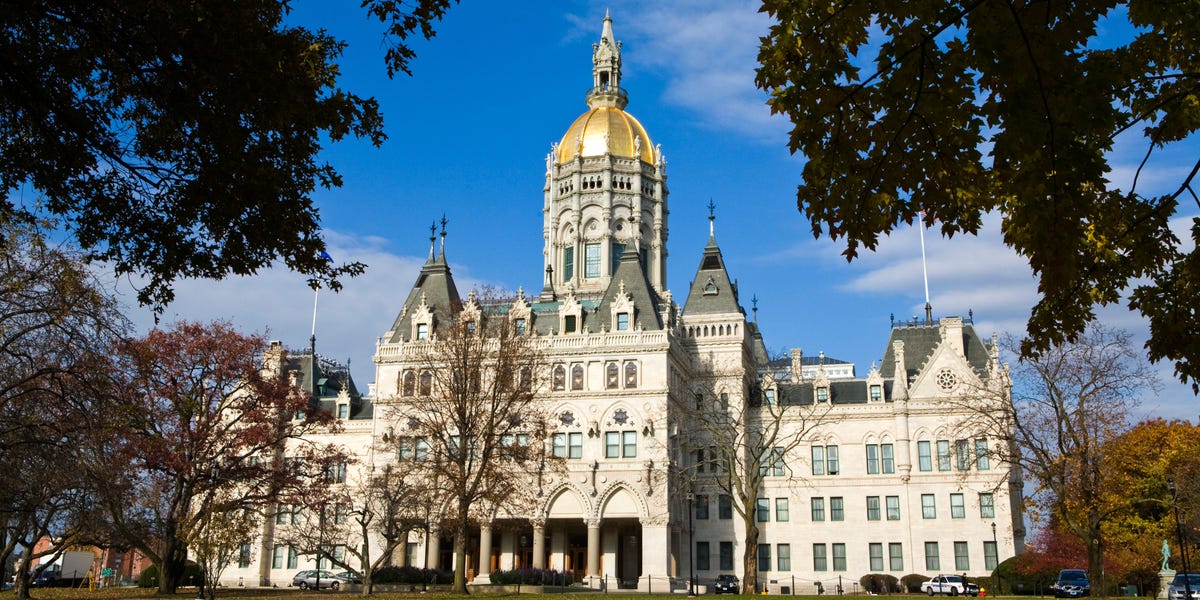
The architectural diversity of state capitol buildings, ranging from neoclassical domes to distinct regional designs, serves as a physical manifestation of state-level governance and fiscal priority. While these structures are primarily administrative, they function as the central nodes for legislative activity that dictates tax policy, infrastructure spending, and regulatory environments. The maintenance and modernization of these facilities represent a recurring line item in state budgets, often reflecting broader shifts in public sector capital allocation.
Legislative Infrastructure and Fiscal Policy
State capitols house the executive and legislative branches, acting as the primary venues for the deliberation of state budgets. The physical condition and operational capacity of these buildings can influence the efficiency of legislative sessions. When states invest in the renovation or expansion of these historic sites, it often signals a commitment to long-term administrative stability. Conversely, deferred maintenance on such prominent assets can sometimes mirror broader fiscal constraints within a state's general fund.
These buildings also function as hubs for regional economic activity. The concentration of legislative staff, lobbyists, and administrative personnel creates a localized demand for services, real estate, and hospitality. For investors monitoring regional economic health, the legislative output generated within these walls is a primary driver of local business conditions. This is particularly relevant for sectors sensitive to state-level tax incentives or regulatory changes, such as those discussed in The Revenue Impact of Retractable Enclosures on Hospitality Real Estate.
Valuation of Public Assets
From a valuation perspective, state capitols are non-revenue-generating public assets, yet they carry significant replacement costs and historical value. Their design often incorporates materials and craftsmanship that would be prohibitively expensive to replicate today. The stewardship of these assets is a recurring point of debate during legislative budget cycles, as lawmakers weigh the preservation of historic architecture against the need for modern digital infrastructure and security upgrades.
Understanding the role of these buildings requires looking beyond their aesthetic appeal. They are the centers of gravity for state-level policy shifts that affect corporate operations across various industries. For instance, changes in state-level trade finance regulations can have ripple effects on regional banking stability, a dynamic explored in Banco Latinoamericano Revenue Growth Signals Stability in Regional Trade Finance. The legislative decisions made within these capitols ultimately dictate the operating environment for companies ranging from consumer cyclicals like HAS stock page to large-cap technology firms.
AlphaScala data currently lists Hasbro, Inc. (HAS) as Unscored within the Consumer Cyclical sector. As state legislatures continue to debate consumer protection laws and digital privacy standards, the proximity of corporate interests to these legislative hubs remains a critical factor in long-term strategy. The next concrete marker for this narrative will be the upcoming state budget sessions, where capital expenditure allocations for public infrastructure will provide a clearer picture of state-level fiscal health and legislative priorities.