Stocks● Neutral
Arabian Cement Withdraws Buyback, Raises Capital Questions
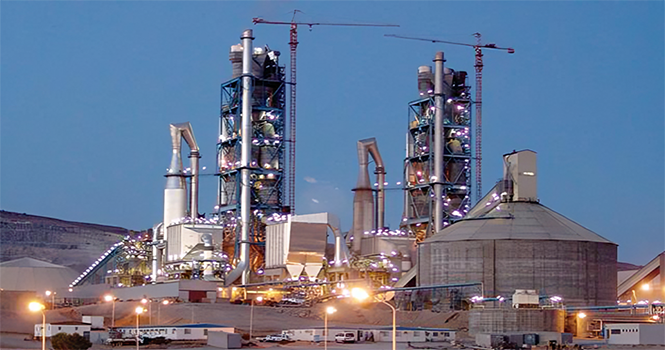
Arabian Cement board cancels 150,000-share buyback recommendation. The move removes a signal of undervaluation and shifts focus to dividend sustainability and cash allocation.
Continue with
Arabian Cement Co.’s board of directors withdrew its recommendation to repurchase up to 150,000 shares and hold them as treasury stock, the company disclosed on June 4. The reversal cancels a planned capital-return mechanism that shareholders had been expecting to vote on. No explanation accompanied the decision, leaving the market to interpret the board’s capital allocation priorities and its view of the stock’s current valuation.
The 150,000-Share Buyback That Disappeared
A buyback of 150,000 shares is modest in absolute terms–roughly 0.2% of Arabian Cement’s outstanding shares. In a thinly traded Saudi cement name, however, even a small repurchase program can provide price support and signal that the board considers the stock undervalued. By withdrawing the recommendation, the board removes that signal entirely.
The mechanism matters. Treasury shares do not receive dividends and are excluded from the earnings-per-share calculation, which gives a mechanical EPS lift even if net income stays flat. A cancelled buyback means that potential EPS boost disappears. For a company that had already cleared a SAR 0.75 per share dividend for 2023, the trade-off between returning cash via dividends versus buybacks is now squarely in focus.
Capital Allocation: Dividends Versus Cash Preservation
Arabian Cement’s board had previously approved a dividend payout that equates to a meaningful yield for the stock. The withdrawal of the buyback suggests the board either sees a higher-priority use for the cash or believes the stock does not need artificial support. The better market read is that management is prioritizing dividend sustainability over a one-time repurchase–a conservative posture that values cash preservation.
The dividend-versus-buyback framework is often misunderstood. A dividend commits the company to a recurring cash outflow; a buyback is discretionary and can be halted at any time. By cancelling the buyback before it even reached a shareholder vote, the board has in effect said the capital is better kept on the balance sheet or deployed elsewhere–perhaps toward capacity upgrades, debt reduction, or a future acquisition. Without an explicit reason, the market must interpret the move as a caution flag on either cash flow visibility or management’s confidence in the near-term outlook.