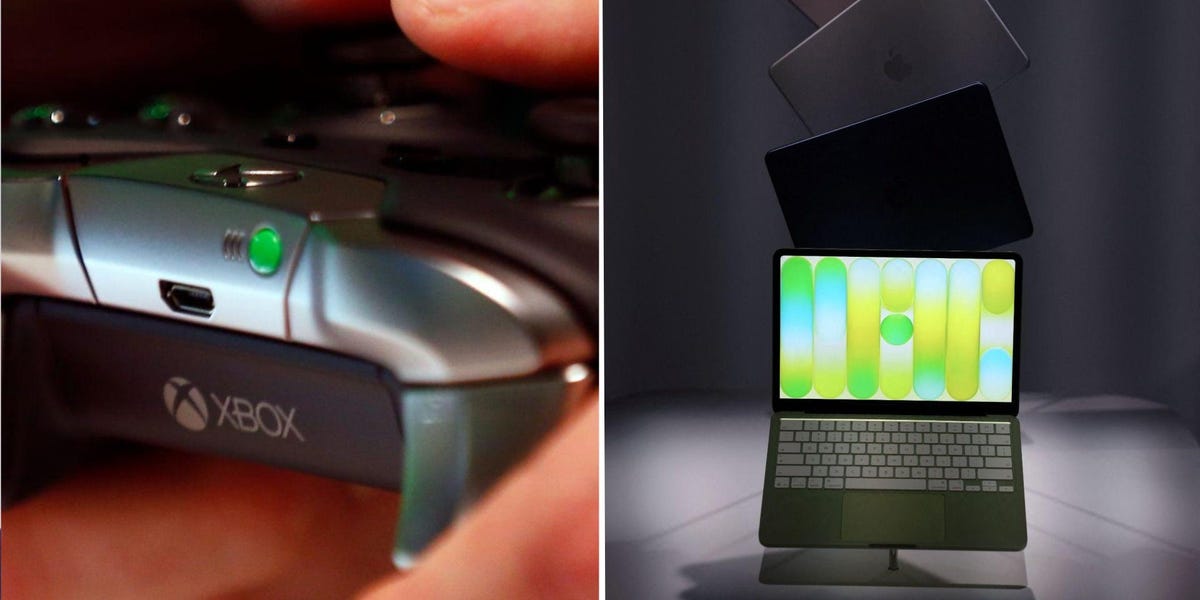
Apple raised iPhone prices across multiple markets. Microsoft followed with a $50 increase on Xbox Series X consoles. Both cited rising component costs. The common thread: memory chips.
An AI-driven boom in demand for high-bandwidth memory (HBM) and high-capacity NAND flash has reshuffled supply priorities. Memory makers – SK Hynix, Samsung, Micron – have diverted wafer capacity to HBM, which sells at a premium to commodity DRAM and NAND. The result is a persistent shortage of the memory chips used in phones, gaming consoles, and PCs.
Spot prices for DRAM have risen roughly 20% year-to-date, according to industry data tracked by TrendForce. NAND flash prices are up about 15% over the same period. Those increases take three to six months to flow into consumer device bills of materials. Apple and Microsoft are now absorbing that lag.
The simple read is cyclical. Memory is a notoriously boom-bust industry. New fab capacity from Samsung and Micron could come online in the second half of 2025, easing supply. Prices could moderate by year end.
The better read is structural. AI training and inference workloads consume memory at a scale that dwarfs traditional data-center demand. HBM is now the highest-margin product line for every major memory maker. They have every incentive to keep commodity memory tight to sustain pricing. That means the consumer electronics segment faces a structural cost increase, not a temporary spike.
For Apple, the price hikes test the brand's pricing power in regions like Europe and Asia where iPhone demand has softened. Apple typically absorbs some cost increase in its gross margin rather than passing it all through. The current move suggests the company expects memory costs to stay elevated long enough to warrant repricing.
For Microsoft, the Xbox price increase arrives at an awkward moment. The console is in its fourth year of the current generation, and hardware sales have slowed. A $50 hike risks pushing buyers toward Nintendo's Switch 2, which launches later this year with no announced price increase – or toward subscriptions and cloud gaming, which bypass the hardware cost entirely.
The next concrete marker is the July earnings season. SK Hynix reports July 10; Micron reports July 18. Their guidance on commodity DRAM and NAND pricing will tell whether the squeeze has further to run. Apple reports July 24. Microsoft reports July 30.
Apple and Microsoft have now signaled that the AI-driven memory shortage is not a blip. For consumers, that means higher prices on phones, consoles, and PCs for at least the next two quarters.