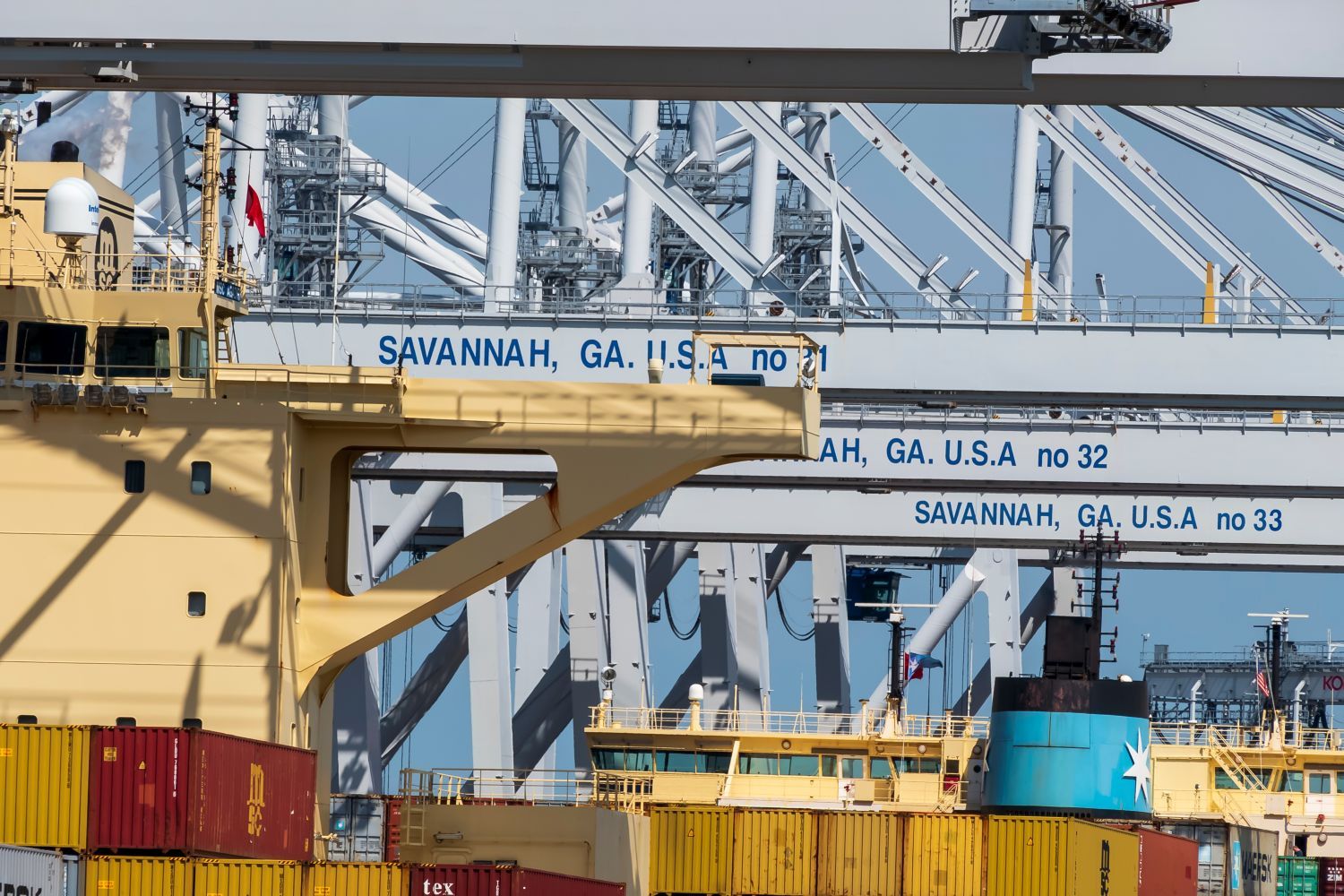
A federal appeals court has ruled against Evergreen in a long-standing dispute regarding detention and demurrage fees at the Port of Savannah. This decision concludes a six-year legal process that centered on whether a port must be operational for a carrier to legally impose these charges on shippers. The court’s rejection of the carrier's position establishes a significant precedent for how maritime regulators interpret the conditions under which such fees can be assessed.
Regulatory Oversight and Fee Enforcement
The Federal Maritime Commission (FMC) previously navigated this case to determine if detention fees remain valid when port access is restricted or unavailable. By siding against the carrier, the court reinforces the authority of the FMC to regulate the fairness of billing practices in the logistics chain. This outcome limits the ability of ocean carriers to pass on costs to shippers during periods when port infrastructure is effectively closed or unable to process cargo. The ruling clarifies that the mere existence of a contract does not grant carriers unilateral power to levy fees when the underlying service of cargo retrieval is physically impossible.
Sector Impact and Operational Constraints
The maritime shipping sector now faces a clearer regulatory environment regarding the application of detention and demurrage charges. Carriers must reconcile their billing policies with the court’s interpretation of service availability. This shift may force a re-evaluation of how shipping lines manage port congestion and the associated costs that were previously shifted to customers. The decision serves as a check on the industry's ability to maintain revenue streams through penalty fees during supply chain disruptions.
AlphaScala data currently reflects a challenging environment for companies within the basic materials and industrial sectors, with FMC Corp holding an Alpha Score of 29/100 and Carrier Global Corporation holding an Alpha Score of 35/100. These metrics highlight the broader pressures facing firms that rely heavily on efficient supply chain logistics and stable regulatory frameworks. For further context on how industrial firms manage these operational risks, see our FMC stock page and CARR stock page.
Future Regulatory Trajectory
The focus now shifts to how the FMC will utilize this judicial backing to address broader industry practices. The chairman of the FMC has recently signaled a willingness to take more aggressive action against ocean carriers regarding fee structures and transparency. This ruling provides the agency with the necessary legal foundation to challenge similar fee models across other ports. The next concrete marker will be the issuance of updated FMC guidance or enforcement actions that specifically target detention fee policies in light of this court decision. Shippers and carriers alike will monitor the agency for new rules that define the threshold for fee eligibility during future port closures or labor disputes.