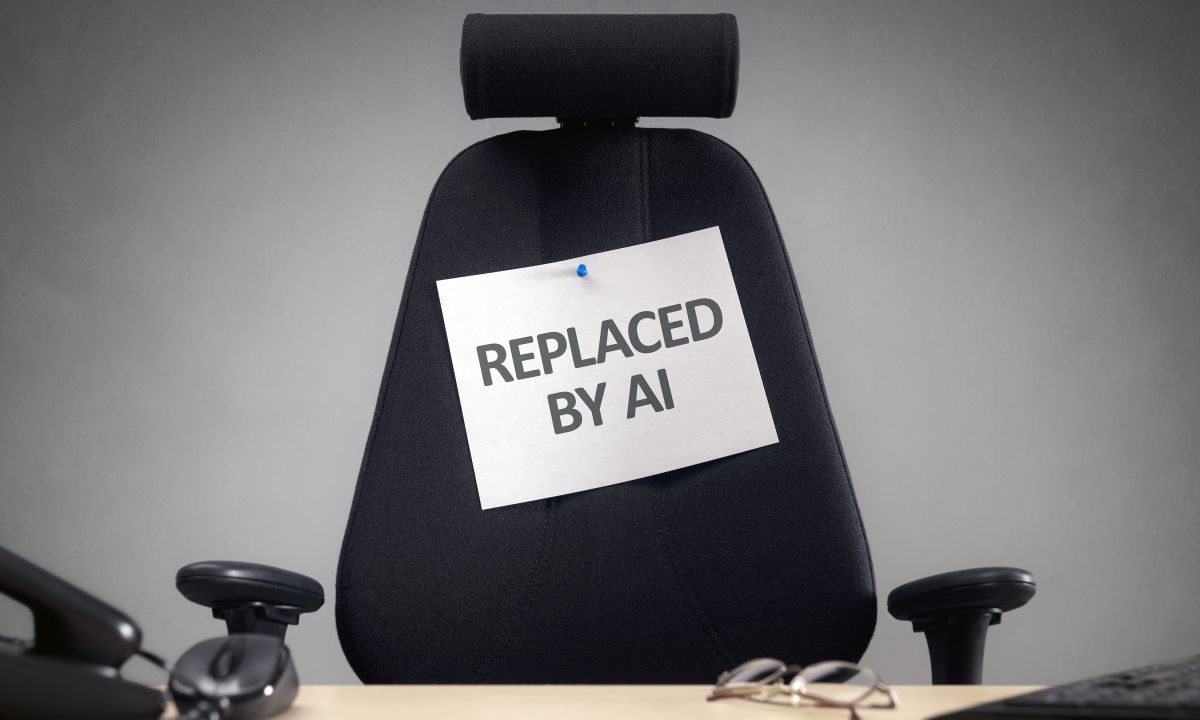
Artificial intelligence is hitting wages harder than jobs, according to Torsten Slok, Apollo Global Management's chief economist. Slok told Bloomberg on Saturday that AI's impact shows up in weaker pay growth, not fewer positions.
Slok and researcher Sania Edlich sorted roughly 300 occupations into groups with high and low exposure to AI. They tracked how those groups fared before and after ChatGPT's arrival. Wages for workers in AI-exposed roles grew 6.7% slower than for people in jobs with less AI exposure. The effect was stronger among lower-income workers, the report said.
Slok also said AI has accelerated business formation, which hit a record high. "So far the dominating effect has been that there is also a much more dynamic economy where people can now invent ideas, use agents, use loops, graphs to come up with ideas and as a result, create more businesses," he told Bloomberg.
The analysis adds to a growing debate over AI's labor market impact. It contrasts with other findings. A Bureau of Labor Statistics report examined 18 AI-exposed occupations and found a 0.2% drop in jobs as of May 2025 from the prior year, while overall payrolls rose 0.8%. Goldman Sachs economists said in May that fields "highly exposed to AI substitution" saw a faster decline in job openings than others.
Separate research by PYMNTS Intelligence looked at workers earning up to $25 an hour, typically less than $50,000 per year. It found that 37% of these workers said their employer had introduced new AI or automation tools in the last 12 months. Lower-income workers are getting less training, showing less confidence and enjoying fewer financial buffers to handle disruption, the research found. PYMNTS wrote that AI's impact is moving beyond Silicon Valley and corporate offices into warehouses, restaurants, hospitality, logistics and caregiving jobs that make up a large share of everyday consumer spending.