APEDA Parks ₹6 Crore in Term Deposits as Non-Basmati Rice Stalls
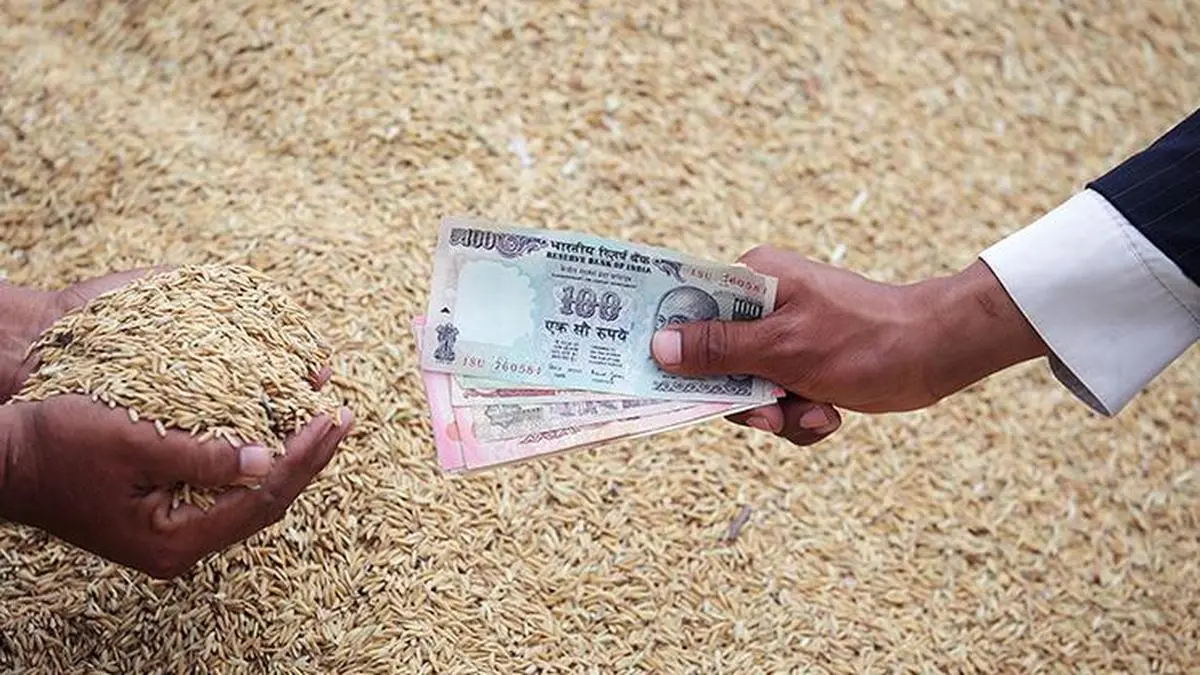
APEDA's ₹9.66 crore Non-Basmati Rice Development Fund will park surplus above ₹1 crore in term deposits, leaving only ₹5-6 crore for export promotion as Indian rice loses price edge to competitors.
The government's agri-export body APEDA has decided to invest any balance above ₹1 crore from its Non-Basmati Rice Development Fund (NBDF) into term deposits, rather than spending the money on export promotion. The move has drawn quiet criticism from exporters who say the fund is too small to justify hoarding ₹5-6 crore in a bank account while Indian rice loses price ground to global competitors.
APEDA collected ₹9.66 crore from non-basmati rice exporters through a mandatory contract registration fee between September 25, 2025 and April 30, 2026, official sources said. The Department of Commerce approved the NBDF in July 2025, with a mandate to promote non-basmati rice exports. The fee is ₹9.44 per tonne including 18% GST. APEDA keeps 30% of collections. The remaining 70% is meant for promotional activities: training farmers in Good Agricultural Practices, trade delegations, buyer-seller meets, and consumer research, according to government guidelines.
An Internal Investment Committee – comprising the NBDF secretary, the head of APEDA's cereal division, and other officials – decided that amounts exceeding ₹1 crore (including current account and sweep balance) shall be invested in term deposits in multiples of ₹50 lakh on a periodic basis. The objective, per an official source, is "transparent and effective fund management, provide investment oversight and investment strategy for unutilised funds, optimise growth and capital preservation with minimum risk." Industry representatives on the NBDF committee concurred with the decision.
The numbers tell a different story. After factoring taxes and APEDA's 30% service and infrastructure charge, industry sources estimate only ₹5-6 crore remains for actual promotional work. Some exporters, requesting anonymity, said the fund is too meagre to keep idle when Indian rice is not getting better rates than competitors like Vietnam and Thailand. The committee was told some expenses have already been incurred – the India International Rice Summit in Raipur and space rental for Gulfood 2026 in Dubai. The bulk of the collected money now sits in term deposits, earning interest rather than driving export growth.
The simple read is fiscal prudence: a small fund earns interest while preserving capital for future use. The better read is that the government is not aggressively pushing non-basmati rice exports at a time when price competition is intensifying globally. Exporters who paid the fee expected a return in the form of promotional support. Instead, they get a bank deposit. The next NBDF committee meeting will determine whether any of the corpus gets deployed for its intended purpose. Until then, the fund remains a cost without a catalyst.
For the non-basmati rice sector, the read-through is straightforward. The fund was designed to help Indian exporters differentiate through quality certifications and trade shows. Without that spending, the competitive position may erode further. Exporters watching the NBDF account should track the committee's next spending decision as the real signal of government intent.
Drafted by a large language model from the source reporting linked above, then screened by automated publishing checks. It is not read by a journalist before publication. Some articles cite our Alpha Score. Verify prices and figures against the original source. Educational coverage, not personalized advice.