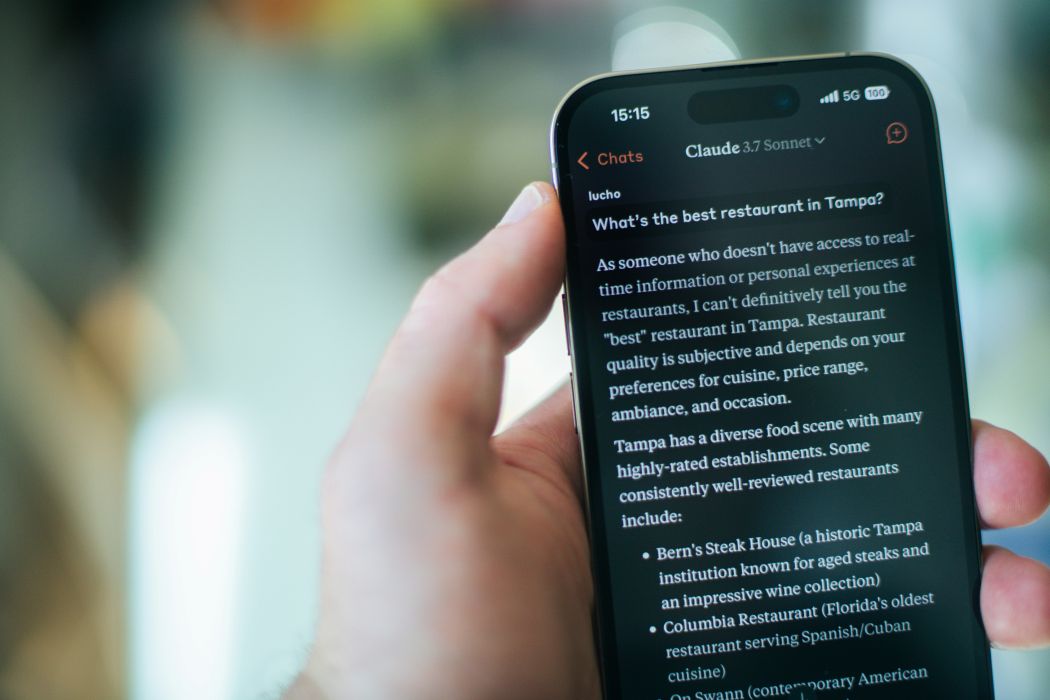
Anthropic will add watermarks to text generated by its Claude AI models, the company said Tuesday, responding to European regulations that require traceable content. The identifier will travel with the text when copied and pasted elsewhere. It "may" persist through editing, Anthropic said, a word choice that signals the limits of current technology.
Tech writer Katie Notopoulos questioned whether the move amounts to a "never-ending game of whack-a-mole" where detection tools often get it wrong. Writing for Business Insider, she asked: "At what point does this become an arms race between AI users and AI detectors… do we ever call a truce and just go back to sending typo-filled emails?"
Google, Meta, Microsoft, and OpenAI have all promised to add identifiers to AI-generated content, according to TechCrunch. The push comes as MIT researchers have said AI detection tools do not work, and instead recommend clear policies and expectations around AI use.
Canadian-founded, New York City-based sales unicorn Clay is taking the policy route. Its new AI Writing Policy requires employees to take responsibility for every idea in their work, even if AI generated it.
The circular nature of AI financing got more pronounced this week as the Financial Times reported that the world's largest financiers are assembling a $500-billion funding package for Nvidia. The chipmaker plans to use the funds to support the AI buildout its own business supplies.
Meta CEO Mark Zuckerberg weighed in on the open weights debate, calling for the US to lower barriers for open-source AI models to compete with foreign labs. Cohere CEO Aidan Gomez praised the stance, calling focus on progress over risks the "right vision for the future of AI."
Vancouver drug discovery platform AbCellera's stock surged after trial results showed its menopause treatment could be the most effective at relieving hot flashes. The public company opened a $200-million USD public offering of common shares and warrants on Tuesday.
Wired profiled organoids: small, lab-grown brains filled with millions of neurons that researchers say could eventually grow big enough to become biological processors. The ethics remain unsettled.