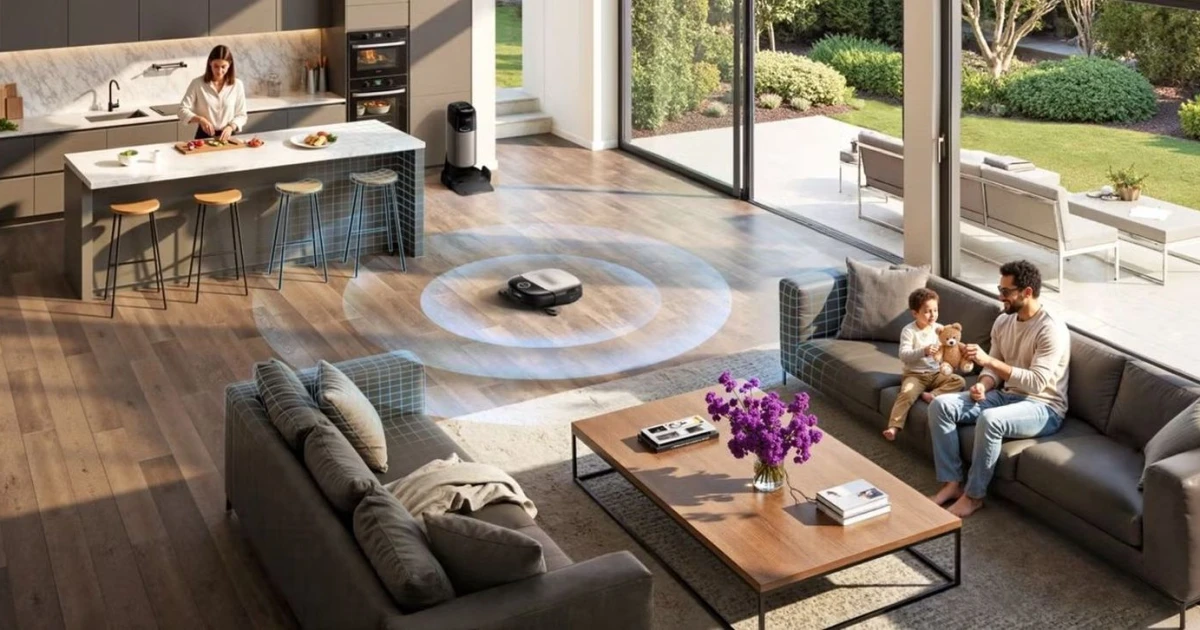
The Chinese technology firm Anker is initiating a broad expansion into the Hungarian market, shifting its focus from mobile accessories toward a comprehensive ecosystem of smart home and energy management solutions. This move marks a strategic pivot for the company, which originated from the efforts of former Google employees, as it looks to integrate consumer electronics with residential energy infrastructure.
Diversification into Residential Energy and Automation
The expansion strategy centers on a product lineup that bridges the gap between traditional consumer tech and home utility management. By introducing residential solar panels, electric vehicle charging hardware, and advanced energy storage systems, Anker is positioning itself as a provider of home infrastructure rather than just a peripheral manufacturer. This hardware suite is complemented by a range of smart home devices, including automated robotics, high-end projection systems, and specialized audio equipment.
This shift reflects a broader trend among hardware-focused technology firms seeking to capture value within the residential energy transition. By bundling energy generation with smart home control, the company aims to establish a recurring presence in the household ecosystem. The success of this rollout in Hungary will likely depend on the firm's ability to navigate local regulatory frameworks regarding residential solar integration and grid connectivity.
Competitive Positioning and Market Integration
The entry of a high-volume hardware provider into the Hungarian smart home sector creates new pressure on existing consumer electronics retailers. While companies like GOOGL have long dominated the software and ecosystem side of the smart home, Anker is attempting to capture the physical layer of the home through direct hardware ownership. This strategy forces a comparison between integrated software-first ecosystems and modular, hardware-centric approaches.
AlphaScala data currently tracks GOOGL with an Alpha Score of 70/100, reflecting its established position in the communication services sector. As Anker scales its operations, the market will monitor how its hardware-heavy model competes with established digital service providers that rely on cloud-based smart home integration. The company's ability to maintain its historical pricing advantage while managing the logistics of large-scale energy equipment will be a primary indicator of its long-term viability in the region.
Strategic Markers for Regional Growth
The next phase of this expansion will be defined by the company's distribution partnerships and the speed of its product certification processes. Investors and market observers should look for the following developments in the coming quarters:
- The establishment of local service and installation networks for solar and EV charging infrastructure.
- The integration of proprietary software platforms with existing smart home standards to ensure interoperability.
- The announcement of retail partnerships with major regional consumer electronics chains.
This expansion represents a significant test of whether a brand built on portable power and mobile accessories can successfully transition into a provider of fixed residential energy assets. The outcome will provide a clear signal on the appetite for integrated smart home solutions in Central Europe and the potential for further stock market analysis regarding the hardware-as-a-service model.