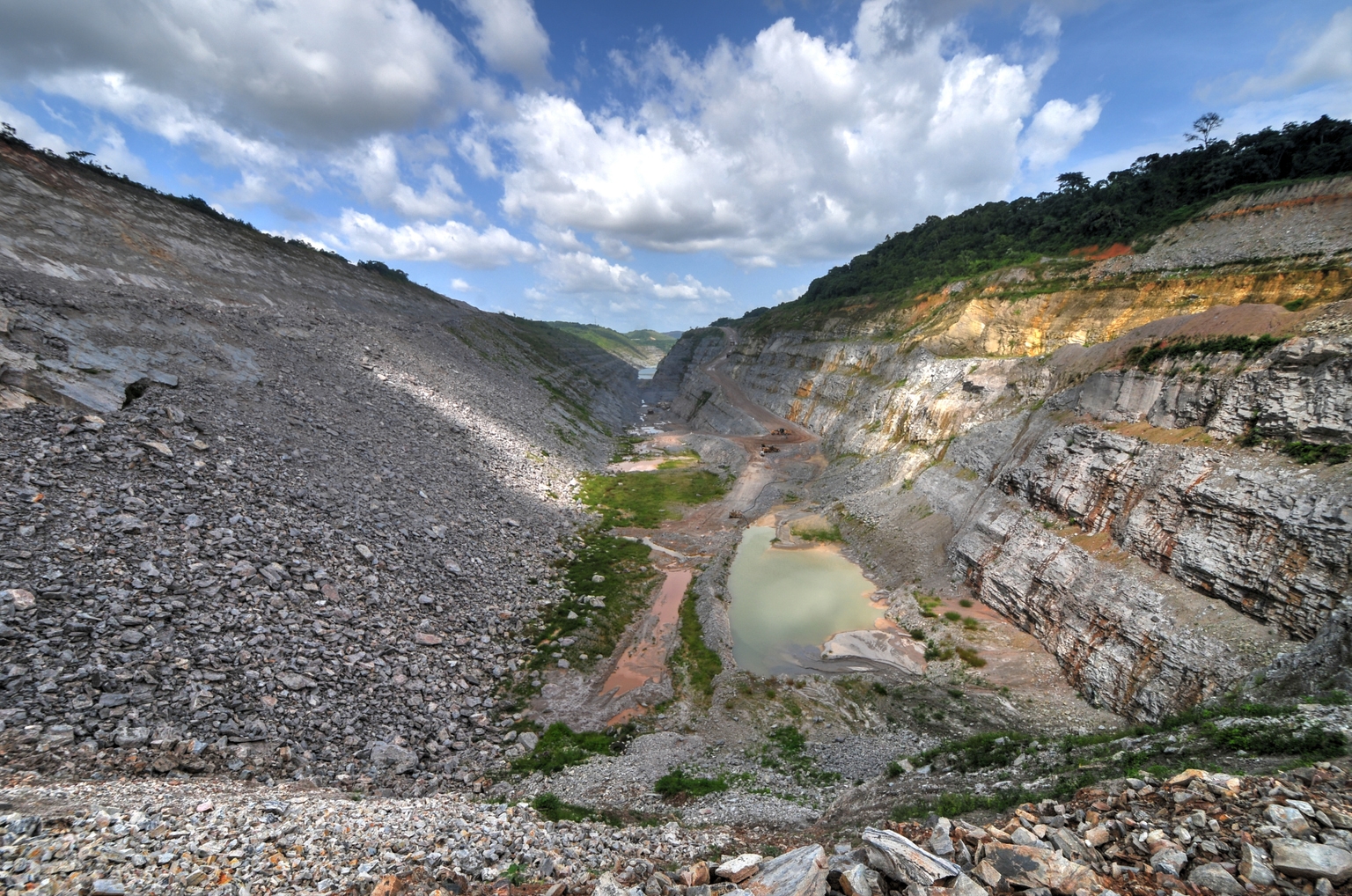
The recent regulatory developments in Ghana have triggered a sharp market reaction for AngloGold Ashanti PLC (NYSE: AU), as investors recalibrate the risk profile of the company’s regional production footprint. With approximately 15% of total output sourced from operations within Ghana, the immediate sell-off reflects a knee-jerk assessment of sovereign risk rather than a granular analysis of operational continuity. For those tracking the AU stock page, the primary challenge is distinguishing between headline-driven volatility and a fundamental shift in the company’s long-term production capacity.
Quantifying the Ghana Production Weight
Market participants often treat geographic exposure as a binary risk, yet the reality for a diversified miner like AngloGold Ashanti is more nuanced. The 15% production figure represents a significant, but not existential, slice of the company’s global portfolio. The risk here is not necessarily an immediate cessation of operations, but rather the potential for increased fiscal pressure, royalty adjustments, or operational delays that could compress margins in the short term. When evaluating this risk, one must consider the company’s historical ability to navigate complex regulatory environments across its multi-jurisdictional asset base. The current market pricing suggests a high probability of negative outcomes, which may create a disconnect if the actual regulatory impact remains contained within existing contractual frameworks.
Operational Resilience and Asset Diversification
Beyond the headline risk, the broader stock market analysis suggests that investors should focus on the company’s cash flow generation outside of the affected region. AngloGold Ashanti’s ability to maintain production targets elsewhere serves as a natural hedge against localized political friction. If the company can demonstrate that its Ghanaian operations remain insulated from broader administrative shifts, the current valuation discount may prove to be an overreaction. The key for institutional holders is monitoring whether these regulatory changes lead to increased capital expenditure requirements or if they remain limited to administrative hurdles that do not impede the extraction process.
AlphaScala data currently assigns AngloGold Ashanti an Alpha Score of 70/100, reflecting a moderate risk profile that accounts for both current operational strength and the inherent volatility of the basic materials sector. This score suggests that while the Ghana situation introduces a layer of uncertainty, the underlying financial health of the firm remains a stabilizing factor for those looking past the immediate news cycle.
Next Steps for Risk Assessment
The next concrete marker for this situation will be the company’s upcoming operational update or any formal communication regarding the status of its mining licenses and fiscal agreements in Ghana. Any confirmation that existing agreements remain intact would likely serve as a catalyst for a valuation recovery. Conversely, if the company issues a revised production guidance that explicitly cites regulatory interference, the market will be forced to price in a more permanent reduction in cash flow, which would likely lead to a further re-rating of the stock.