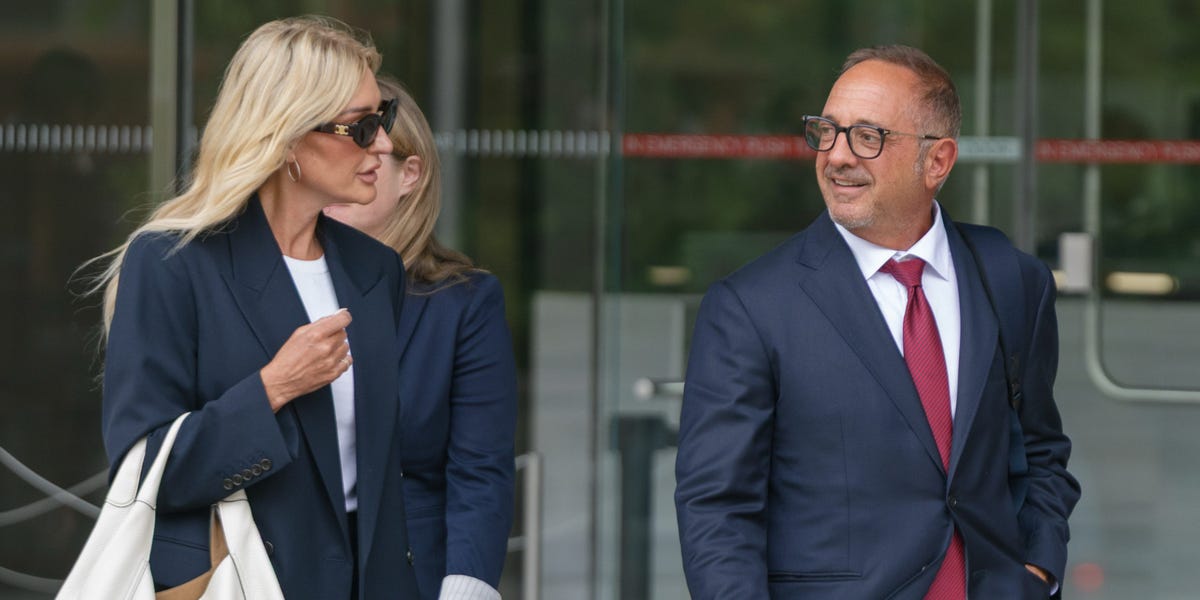
Federal prosecutors called a retail investor who said he lost most of his retirement savings in stocks that Andrew Left criticized. The testimony could sway the jury in the fraud trial.
A retired retail investor testified in the securities fraud trial of Andrew Left that he lost most of his 401(k) savings in stocks the short seller had publicly criticized. The testimony, delivered in federal court in Los Angeles, gives prosecutors a human narrative that could reshape how the jury weighs the charges against Left.
Left, the founder of Citron Research, is accused of manipulating stock prices by issuing misleading reports about companies he was shorting, then quickly closing positions to capture profits. The retiree's account does not introduce new financial evidence. It does, however, make the alleged harm concrete for a jury that must decide whether Left's commentary crossed the line from protected opinion into criminal fraud.
The witness told the court he had invested heavily in stocks that Left targeted with negative research. After the reports were published, share prices fell, and the retiree's portfolio collapsed. He said he lost most of his retirement account. The prosecution did not need to prove that Left caused the losses directly; the testimony was designed to show that ordinary investors relied on the integrity of the market and were damaged when that trust was allegedly broken.
For the defense, the retiree's story presents a challenge. Left's legal team has argued that his reports were opinion and that investors were free to disregard them. A juror hearing a first-person account of a wiped-out 401(k) may find that argument harder to accept. The narrative shifts the trial's focus from abstract market mechanics to a single, sympathetic victim.
The case against Andrew Left tests the boundary between aggressive research and illegal market manipulation. Activist short sellers publish detailed reports arguing that a company's stock is overvalued or its accounting is flawed. Those reports often cause sharp price declines. The question for the jury is whether Left made false statements with intent to deceive, or whether he simply expressed a negative view that the market then priced in.
Prosecutors have pointed to trading records that they say show Left covered his short positions within hours of releasing a report, locking in gains before the market could fully digest the information. The retiree's testimony does not speak to that timing. It does, however, illustrate the downstream effect on retail investors who held the targeted stocks, sometimes for years, and sold at a loss after the reports hit.
A conviction would not outlaw short selling or critical research. It would, however, raise the legal stakes for how short sellers frame their claims and manage their own trading around publication. Activist firms might need to add more disclaimers, delay personal trades, or avoid language that could be read as a guarantee of a stock's decline. The Department of Justice has rarely brought criminal fraud cases against short sellers, making the Left trial a potential precedent.
For retail investors, the case underscores the risk of holding stocks that become targets of high-profile short campaigns. The retiree's loss is a reminder that individual shareholders can be caught between a company's defenders and its critics, often with limited information about the motives on either side. For more on how retail traders navigate these dynamics, see our stock market analysis.
The trial is expected to run several more weeks. The next concrete marker is the jury's verdict. If Left is convicted, the ruling will likely trigger a wave of compliance reviews across activist funds. An acquittal would reinforce the view that short-seller reports are protected speech, provided they do not cross into outright fabrication. Either outcome will shape how the next generation of short campaigns is conducted.
Prepared with AlphaScala editorial tooling from the source reporting linked above. Indexable analysis may include a cited Alpha Score value. Publishing checks screen each story before release. Educational coverage, not personalized advice.