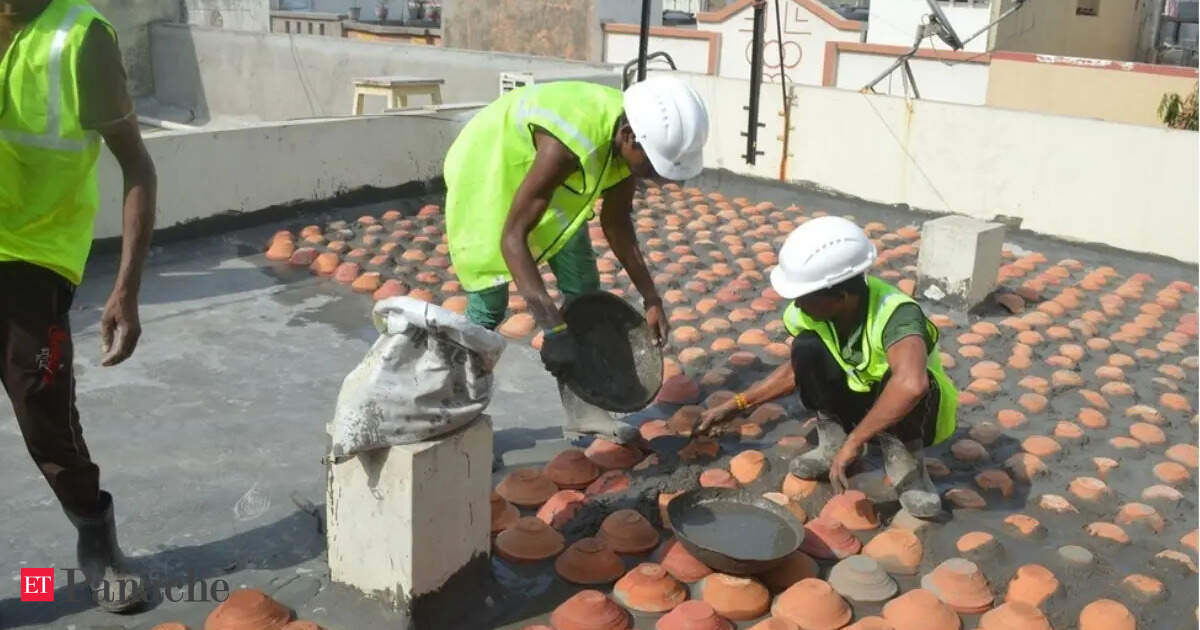
Passive Cooling Tech Gains Traction
Recent studies confirm that integrating 3,000-year-old terracotta cooling techniques into residential architecture can reduce indoor temperatures by up to 50%. By utilizing the porous properties of clay, modern builders are reviving Indus Valley-era methods to create passive thermal regulation that mimics human perspiration.
The Engineering Behind the Clay
Architects are now embedding terracotta pots directly into filler slabs to establish insulating air gaps. This design choice functions as a natural heat sink, effectively drawing thermal energy away from living spaces. Unlike conventional HVAC systems, these structures require zero electricity to maintain a climate-balanced environment, providing a permanent reduction in energy demand for cooling.
| Feature | Conventional AC | Terracotta Passive Cooling |
|---|
| Energy Requirement | High | None |
| Thermal Regulation | Active | Passive |
| Cost/Maintenance | Recurring | Low/One-time |
Market Impact and Construction Trends
This shift toward low-carbon building materials is gaining momentum as developers balance sustainability mandates with rising energy costs. Construction firms are increasingly looking for ways to lower the operational carbon footprint of new builds, making these natural materials a viable alternative to energy-intensive cooling hardware. For investors monitoring the market analysis, the scaling of such passive technologies could disrupt the traditional residential HVAC supply chain.
"Modern architecture is reviving this by integrating terracotta pots into filler slabs, creating insulating air gaps that significantly reduce indoor temperatures and offer year-round climate balance."
Traders should watch the implications for energy-intensive utility companies and the broader construction materials sector. As building codes tighten regarding emissions, manufacturers that pivot toward high-efficiency, natural building components may see increased demand. Increased adoption of passive cooling limits the reliance on electrical grids during peak summer months, potentially softening demand cycles for manufacturers of cooling units and large-scale industrial refrigerators. This trend toward sustainable, non-electric solutions is a signal to watch for shifts in long-term infrastructure investment patterns.