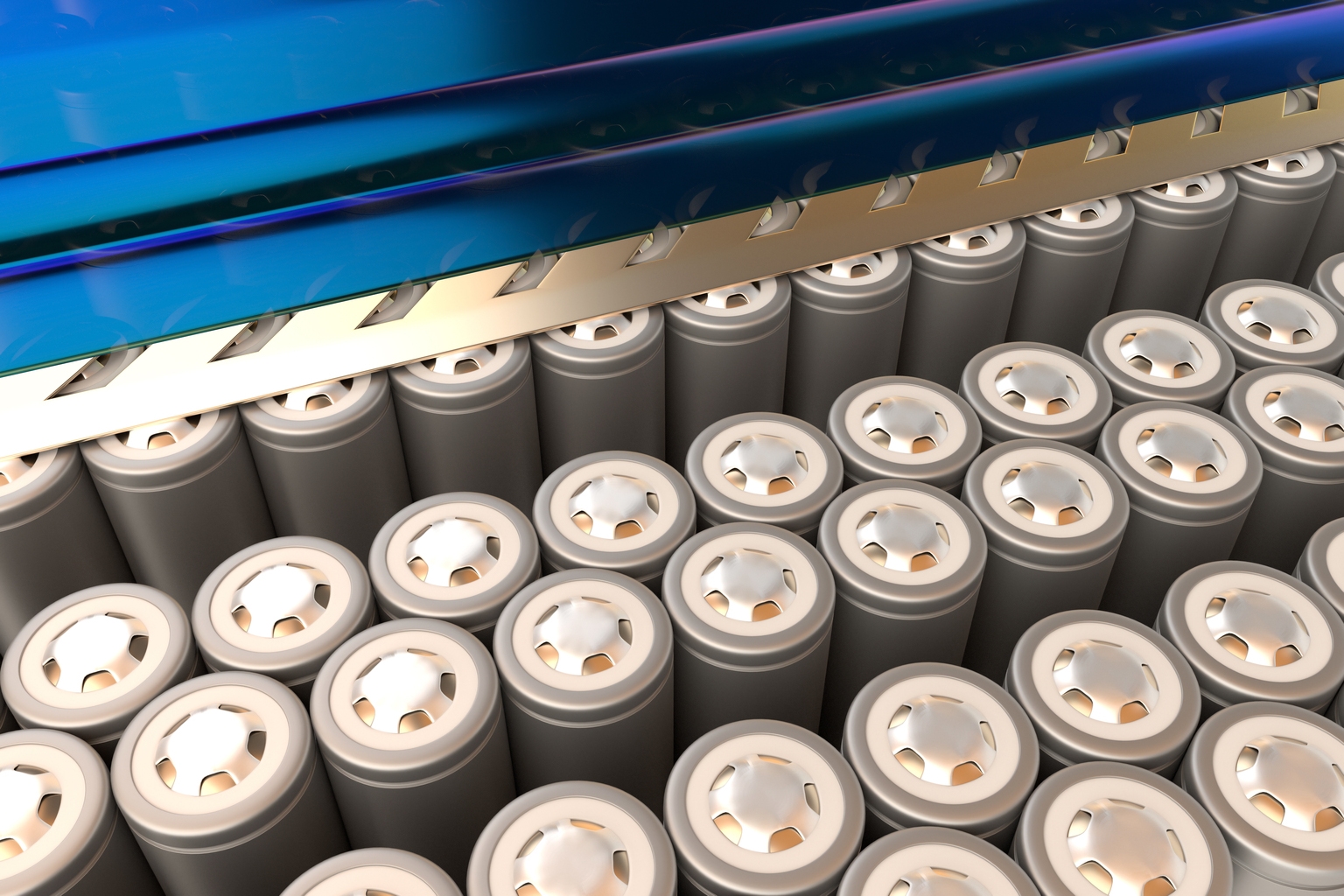
Amprius Technologies has solidified its position within the high-density battery sector by consistently expanding its manufacturing footprint for drone and aerospace applications. The company is currently navigating a transition from specialized pilot programs to broader commercial deployment. This shift in operational scale serves as the primary catalyst for the current narrative surrounding the firm, as investors weigh the potential for long-term market capture against the immediate capital requirements of scaling production.
Operational Scaling and Market Positioning
The core of the Amprius investment case rests on its proprietary silicon anode technology, which offers energy density profiles that exceed traditional lithium-ion alternatives. By targeting the drone and high-altitude pseudo-satellite markets, the company has carved out a defensible niche where weight-to-power ratios are critical. The recent focus has been on increasing throughput at its manufacturing facilities to meet the delivery timelines of its growing customer base. This operational ramp-up is essential for proving the viability of its technology at scale, though it introduces significant execution risk as the company manages supply chain logistics and yield improvements.
Valuation and Capital Constraints
While the growth trajectory remains positive, the current valuation reflects high expectations for future revenue realization. The premium attached to the stock suggests that the market is pricing in a rapid adoption curve for its high-density cells. Investors are now forced to reconcile this valuation with the reality of the company's cash burn rate, which is typical for firms in the early stages of commercializing advanced hardware. The need for additional capital to sustain operations or expand capacity remains a persistent factor that could influence future equity dilution or debt financing decisions.
AlphaScala Data and Sector Context
In the broader technology landscape, companies like ON Semiconductor Corporation demonstrate the challenges of balancing capital-intensive manufacturing with shifting demand cycles. ON currently holds an Alpha Score of 45/100, reflecting a Mixed sentiment as the sector grapples with inventory normalization and high interest rates. Like Amprius, these firms face the constant pressure to maintain margins while funding the next generation of power-efficient components. For a deeper look at how these trends influence broader stock market analysis, investors should monitor the interplay between hardware innovation and capital efficiency.
- Key growth drivers include the expansion of drone battery production capacity.
- The primary risk factor involves the high cash burn associated with scaling advanced battery manufacturing.
- Valuation remains sensitive to the pace of commercial adoption in the aerospace sector.
The next concrete marker for Amprius will be its upcoming quarterly filing, which will provide the first clear look at whether revenue growth is keeping pace with the increased operational expenditures. Investors should look for specific updates on production yields and the status of long-term supply agreements, as these metrics will dictate whether the current valuation can be supported by tangible cash flow improvements in the coming fiscal year.