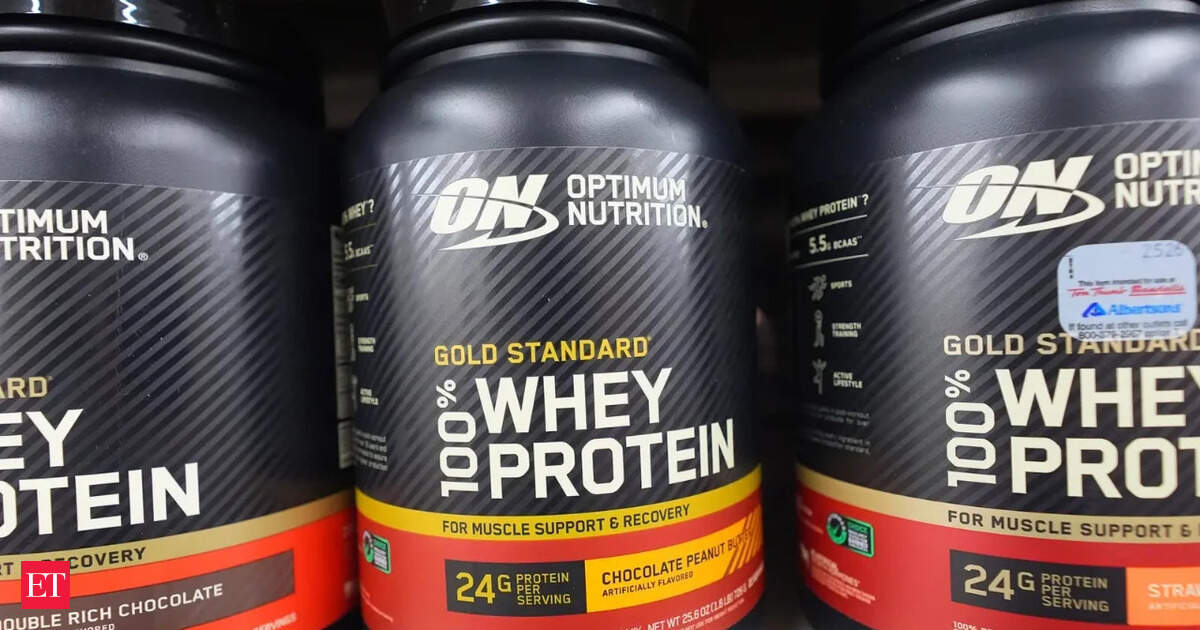
The American appetite for protein is rewriting the economics of milk.
For decades, dairy farmers made their money on fluid milk and butterfat. Whey, the watery byproduct of cheesemaking, was cheap feed or landfill. That has flipped. Whey protein isolate now commands a premium over whole milk powder in international markets, and processors are rethinking how they value every component of the raw milk stream.
The shift is structural. U.S. whey exports hit a record 560,000 metric tons last year, up 14% from 2022, according to USDA trade data. The biggest buyer: China, where demand for whey protein in infant formula and sports nutrition has grown steadily even as the broader economy slowed. China took 180,000 tons of American whey last year, more than any other supplier sent to any single market.
Price signals tell the same story. Whey protein concentrate (34% protein) averaged $0.58 per pound at the CME in the first quarter, up from $0.42 a year earlier. Standard dry whey traded at $0.45, still well above the $0.20 range that defined the market during the 2015-2018 glut. The premium for whey over nonfat dry milk has widened to roughly 15 cents a pound, a spread that has persisted for 18 consecutive months.
That spread changes how dairy processors allocate milk. A plant that makes both cheese and milk powder will shift more milk toward the cheese vat when whey prices are strong, because the combined revenue from cheese-plus-whey exceeds what the same milk would earn as powder. That dynamic is squeezing skim milk powder output at a time when global supplies are already tight.
The mechanism is straightforward. It takes about 10 pounds of milk to make one pound of cheese. That same process yields about 9 pounds of whey. When whey trades at $0.45 a pound, the whey stream alone contributes roughly $4 per 100 pounds of milk processed. For a 2,000-cow dairy, that is an extra $80,000 a month in revenue that did not exist a decade ago.
Dairy farmers are responding. The U.S. dairy herd has stabilized at about 9.4 million head after years of contraction, and milk output per cow continues to rise. Total milk production is forecast at 227 billion pounds this year, up 1.2% from 2023, the USDA said in its latest WASDE report. Most of that increase is going into cheese and whey, not the bottle.
Not everyone benefits equally. Smaller cheesemakers without whey fractionation equipment sell their whey at a discount to large processors who can isolate the protein fractions. The top five dairy processors now control roughly 60% of U.S. whey processing capacity, up from 45% a decade ago, according to industry data. That concentration gives them pricing power over both the farmers who supply the milk and the smaller cheesemakers who supply the whey.
The risk is on the demand side. China's infant formula market, which absorbs roughly a third of U.S. whey exports, is shrinking. The country's birth rate has fallen for seven consecutive years, and the baby formula market is expected to contract 3-4% annually through 2028, according to Euromonitor. If Chinese demand for whey protein falters, the premium structure that supports current dairy economics could unwind quickly.
Domestic demand is picking up some of the slack. U.S. sports nutrition sales reached $33 billion last year, up 8% from 2022, and whey protein remains the dominant ingredient in protein powders and bars. The American College of Sports Medicine now recommends 1.6 grams of protein per kilogram of body weight for active adults, up from 1.2 grams a decade ago, a shift that has boosted per-capita whey consumption.
Dairy processors are betting the trend has room to run. Several major cooperatives have announced whey fractionation expansions in the past 12 months, including a $200 million plant in Michigan and a $150 million facility in Wisconsin. Those investments take 18-24 months to come online. If demand softens before then, the industry will have more capacity than it needs.
For now, the math works. The protein premium is real, and it is pulling milk through the cheese vat at a rate that would have seemed absurd to a dairy farmer in 2010. The question is whether the consumer appetite for protein is a permanent shift or a cycle that will eventually revert.