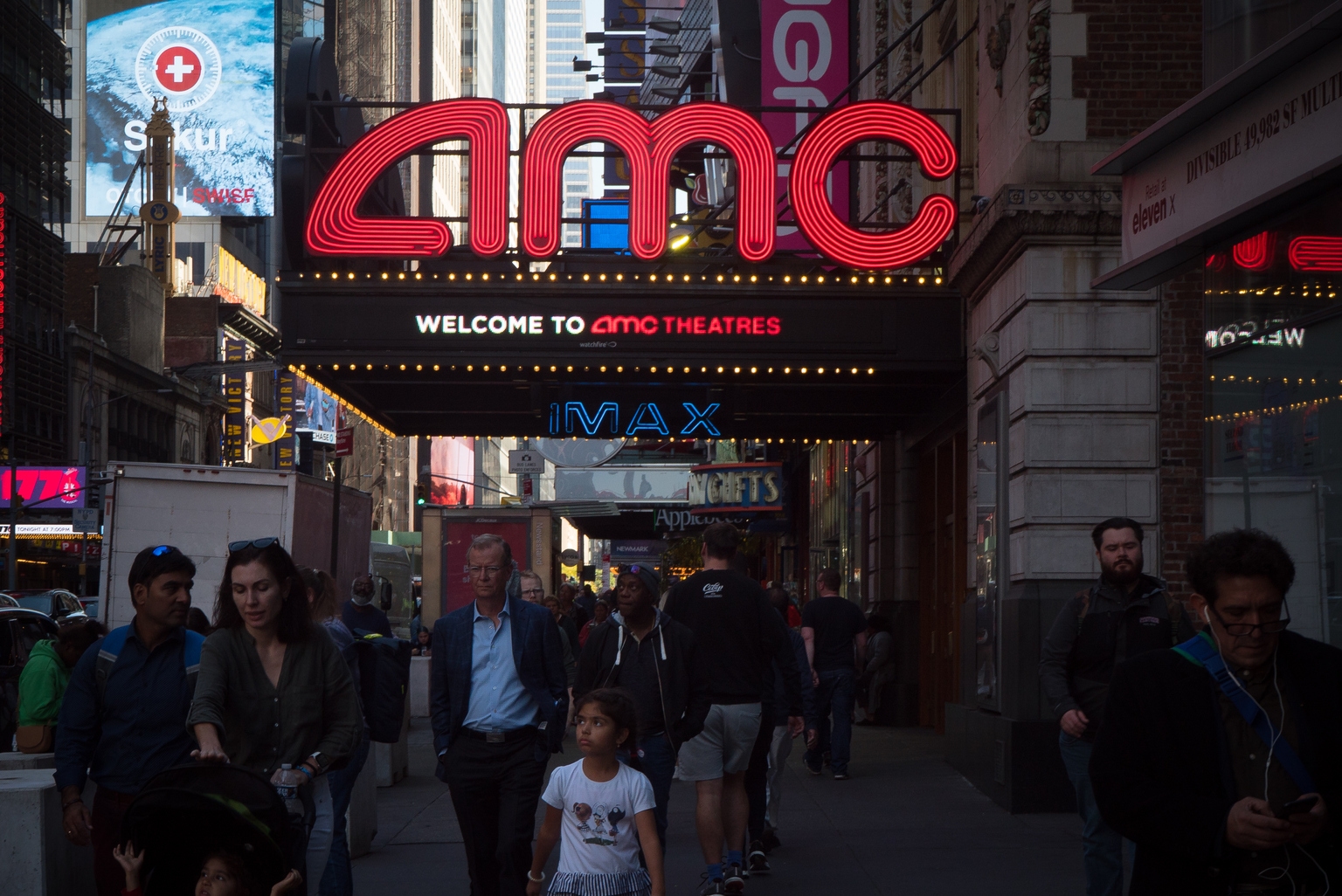
AMC Entertainment Holdings Inc. reported first-quarter results that underscore the company's ongoing struggle to stabilize its balance sheet. The theater chain remains in a defensive posture as it navigates the long-term impacts of the pandemic on cinema attendance and operational overhead. For those tracking the stock, the primary concern is not just the operational performance, but the persistent reliance on equity issuance to manage debt obligations and maintain liquidity.
Capital Structure and Dilution Mechanics
The core issue for shareholders is the recurring dilution required to sustain operations. When a company faces consistent cash flow pressure, equity markets often become the primary source of funding. This process directly impacts the value of existing shares by increasing the total float, which can suppress earnings per share even if the underlying business shows signs of stabilization. The market reaction to these results reflects a skepticism regarding the company's ability to achieve self-sustaining profitability without further tapping into capital markets.
In the context of the broader stock market analysis, AMC represents a specific type of risk where the fundamental valuation is tethered to the pace of dilution rather than traditional growth metrics. Investors often look for a path to positive free cash flow that would allow the company to cease equity offerings. Until that pivot point is reached, the stock remains sensitive to any news regarding debt restructuring or additional share sales. The current Alpha Score for AMC is 17/100, which classifies the asset as Weak within the Communication Services sector. This score reflects the combination of high leverage and the ongoing necessity for external capital to bridge operational gaps.
Operational Hurdles and Market Confidence
Beyond the balance sheet, the theater industry faces structural headwinds. While box office performance has seen fluctuations, the high fixed costs of maintaining physical locations require consistent, high-volume attendance. The company's ability to manage these costs while servicing its debt load is the central variable for its long-term viability. When evaluating AMC stock page, it is essential to distinguish between cyclical recovery in film attendance and the structural dilution that has characterized the company's recent history.
Market confidence in this name is often driven by retail sentiment and short-term volatility rather than traditional fundamental analysis. However, the mechanical reality of share count expansion acts as a persistent anchor on the stock price. Any future guidance that suggests a reduction in capital expenditure or a successful refinancing of debt would be the primary signal that the dilution cycle is nearing an end. Conversely, further reliance on equity markets to cover interest payments will likely continue to weigh on the share price, regardless of short-term improvements in theater attendance or concession revenue. The next concrete marker will be the company's subsequent 10-Q filing, which will detail the exact changes in share count and cash burn rate for the quarter.