AMC Entertainment Holdings reported a 26% drop in attendance in the second quarter versus the same period in 2019, a decline of 26 million patrons. The world's largest theater chain still managed to lift revenue by 6% and adjusted profit by nearly 40% over the same pre-pandemic baseline, the company said in its earnings release.
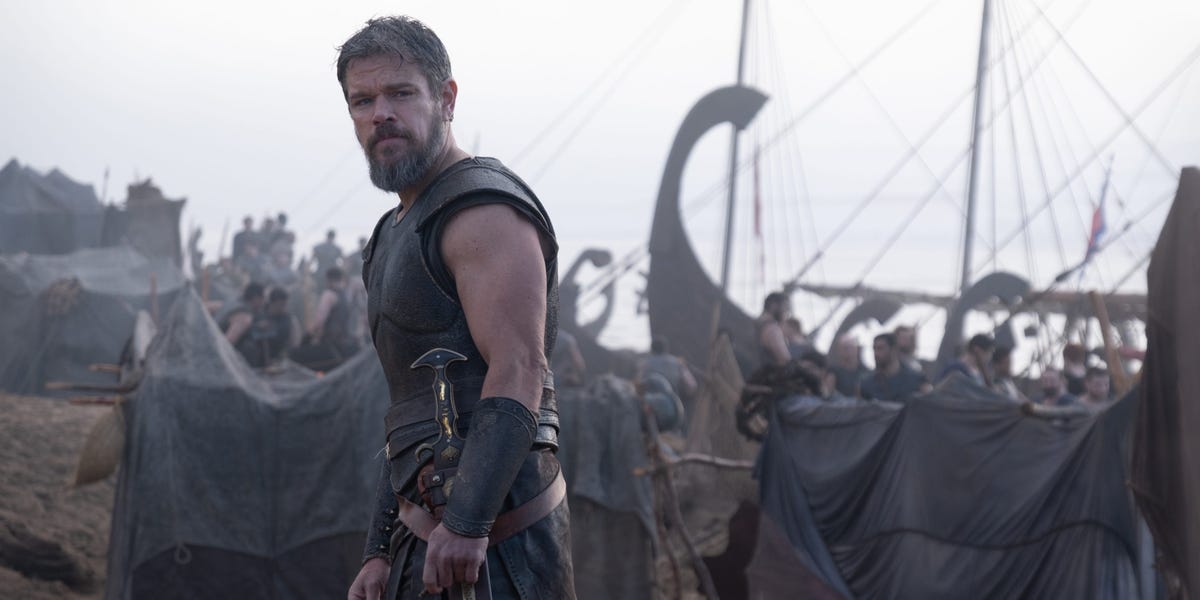
The divergence between fewer bodies and higher revenue is the central tension in theater operators' earnings today. AMC is raising ticket prices and concession costs, and it is pushing patrons toward premium large-format screens like Dolby Cinema and Imax. More than half of the opening-weekend gross for "The Odyssey" came from those premium formats, a sign that the strategy is working. The film itself was a box office hit, alongside "Obsession," "Backrooms," "Project Hail Mary," and the upcoming "Spider-Man" release.
Yet the underlying attendance trend is not a Covid-era artifact. Moviegoing was already in decline for two decades before the pandemic. In 2002, ticket sales in the U.S. and Canada reached nearly 1.6 billion. By 2019, that number had fallen to 1.3 billion. The rise of the internet, streaming, and other entertainment options has steadily eroded the habit of going to a theater, even for films that generate strong word-of-mouth.
Pricing Power Masks Attendance Slide
AMC's second-quarter results illustrate the new math. The chain served 26 million fewer people than it did in 2019, yet it collected more money. That required a double-digit increase in average revenue per patron, driven by higher ticket prices and a mix shift toward luxury screens. The company also reported that adjusted earnings before interest, taxes, depreciation, and amortization rose nearly 40% from the 2019 quarter.
The strategy works as long as the core audience is willing to pay more. The experience at a premium large-format theater – luxury recliners, top-tier audio, assigned seating – can cost $55 for two tickets, plus $11 for a single soda. The article noted that the ordering process at some chains, like Alamo Drafthouse, has become a source of frustration for patrons, but the willingness to pay remains strong for event films.
Puck's Matt Belloni pointed out that the new normal also puts pressure on studios and filmmakers. Production costs keep rising regardless of attendance, so studios need to convince consumers that a film is something special enough to leave home for. That dynamic makes it harder to keep budgets flat, let alone reduce them.
The Structural Problem
Theater operators cannot rely on a cyclical rebound to bring back the pre-internet audience. The data shows that the decline is structural. The 1.6 billion tickets sold in 2002 steadily slipped to 1.3 billion by 2019, and the 2026 attendance figures, while an improvement over the pandemic lows, remain well below the 2019 baseline. The article described the path as "the best year the industry has seen since the pandemic," but noted that the long-term trend is unchanged.
AMC's Alpha Score of 32/100, labeled Weak, reflects the persistent earnings headwinds from declining attendance, even as the company manages top-line growth through pricing. The score, which measures a mix of valuation, momentum, and earnings quality, suggests that the structural challenges are not fully offset by the current pricing strategy.
For theater chains, the message is straightforward: they will have to live with fewer customers and generate more revenue from each one. That means continued price increases, a push for premium formats, and a focus on major releases that can draw the occasional moviegoer. The new normal is a smaller but more valuable audience, and AMC is proving that the model can generate profit even as ticket counts shrink.
The next test will come with the summer blockbuster season, when studios release a slate of potential hits. If attendance remains flat despite a strong lineup, the pressure to raise prices further will grow. If attendance picks up, the thesis strengthens. Either way, the long-term trajectory is set: fewer patrons, higher revenue per head, and a business that depends on making each trip to the theater feel like an event.