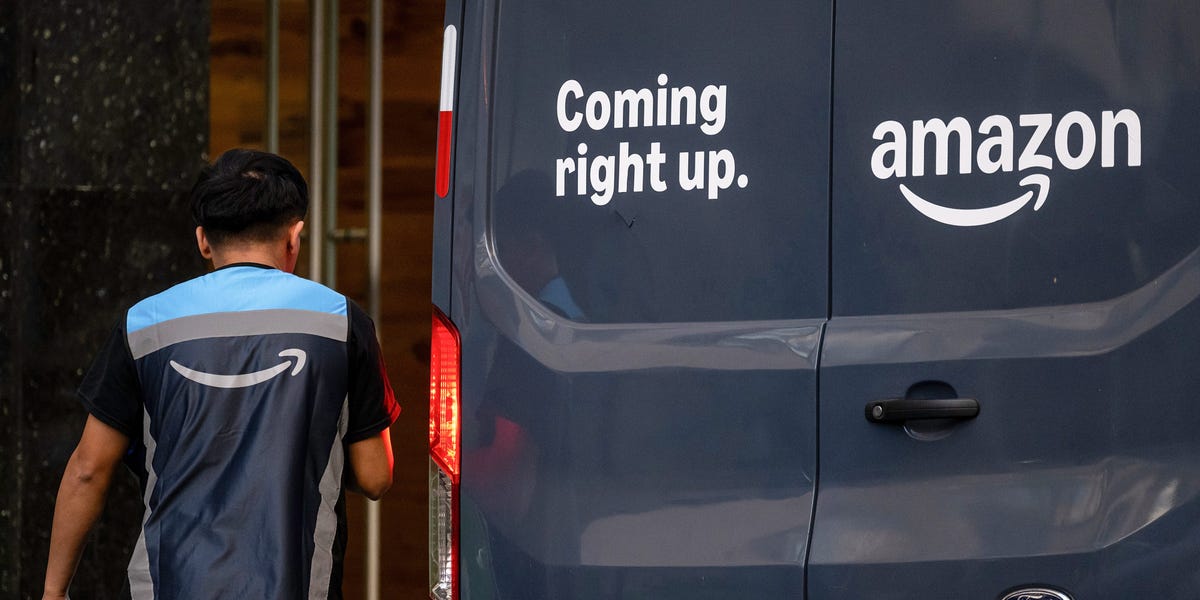
Amazon Prime Day has served its purpose well. Maybe too well.
Amazon launched the event in 2015 to drive Prime membership sign-ups. It worked. Prime now has more than 200 million paid members worldwide, with U.S. penetration hovering around 80% of households, according to Consumer Intelligence Research Partners. The pool of new members to recruit is shallow.
So Amazon is changing what Prime Day does. Instead of hunting for new subscribers, the company is pushing existing members to spend more. That means deeper discounts on higher-margin categories like electronics and home goods, longer event windows, and more personalized offers tied to browsing history.
Amazon confirmed the shift in its annual letter to shareholders earlier this year. CFO Brian Olsavsky told analysts on the Q1 earnings call that Prime Day this year would include more “spend-based” incentives. The company is also running two Prime Day events in 2024 – the standard July event and a second in October – up from one in previous years.
The logic is straightforward. Once a subscriber base saturates, growth comes from revenue per member, not member count. Amazon’s own data shows Prime members spend roughly three times more annually than non-members. A small increase in per-member spending across 200 million accounts moves the needle more than a percentage point of new sign-ups.
This is not a new problem for subscription businesses. Netflix went through the same transition when U.S. subscriber growth slowed in 2020, shifting focus to average revenue per user and ad-supported tiers. Amazon’s playbook is similar: squeeze more value from the existing base while keeping churn low.
The October event will be a test. Amazon has historically kept Prime Day to a single summer window. Adding a second event risks cannibalizing demand – pulling forward holiday spending or burning out deal-seeking shoppers. If per-transaction revenue does not increase versus a year ago, the strategy will have failed to move the needle.
Amazon has one advantage Netflix did not: Prime’s attachment to shipping, video, and grocery makes it stickier. Churn for Prime is around 3% per month, per CIRP, compared with 4-5% for streaming alone. That gives Amazon room to experiment with event frequency without risking mass cancellations.
Some analysts see a longer-term risk. If customers start waiting for Prime Day to make discretionary purchases, normal-season demand could weaken. Amazon’s first-quarter e-commerce revenue grew just 7% year over year, below the 10% pace of 2023. The second Prime Day event could train shoppers to delay non-essential spending until deal windows.
Amazon begins the October Prime Day registration period for sellers on July 20. The event itself runs Oct. 10-11.