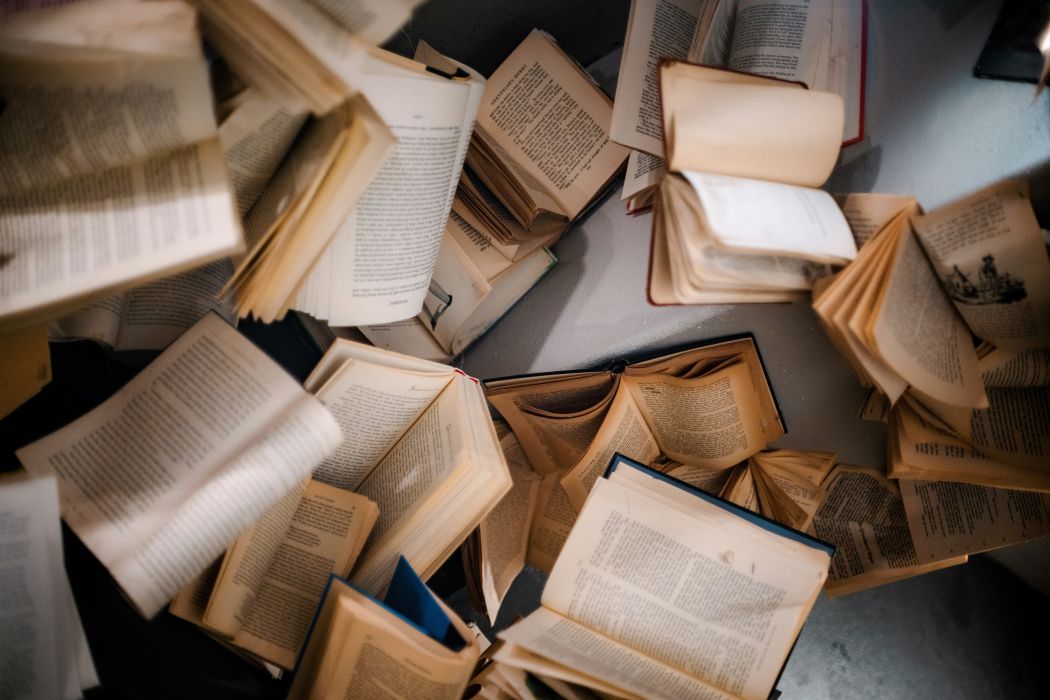
Amazon has been buying secondhand books in bulk and scanning them at a Las Vegas warehouse after cutting the spines, 404 Media reported last week. The company confirmed the practice, saying it buys books to "help develop and improve the products and services our customers use."
The move follows similar efforts by other frontier AI developers. Anthropic ran Project Panama, described in internal documents as an "effort to destructively scan all the books in the world." One vendor proposal requested 500,000 to two million books over six months. That volume could cover the entire physical catalogue of Montreal's Grande Bibliothèque, which holds about 1.2 million books.
Not everyone sees the destruction as a loss. One bookseller told the BBC the world "no longer needs five million copies of The Da Vinci Code."
The Betakit article noted that large AI companies are running out of useful text data not generated by AI. Physical books that were not previously available online have become a hot commodity. The practice is one example of how AI developers' need for high-quality training data is having unintended consequences beyond the tech world.
The Betakit article highlighted risks to the secondhand book market. Bulk orders from AI companies could drive up prices and reduce availability for individual buyers. The practice also prompts copyright questions. Scanning entire books for training may violate authors' rights, the article noted. No legal challenges have been filed yet. The controversy is likely to draw regulatory attention, the article added.
A clear legal framework for using copyrighted works as training data would reduce uncertainty, the article suggested. Some publishers have already signed licensing deals with AI companies. If more follow, the incentive to destroy physical books may fade.
If more AI companies adopt similar bulk-scanning methods, the pressure on secondhand book supplies could intensify, the article said. A wider backlash from authors and publishers might also prompt stricter rules.
The Las Vegas warehouse continues to operate. Amazon has not said when it might stop the practice.