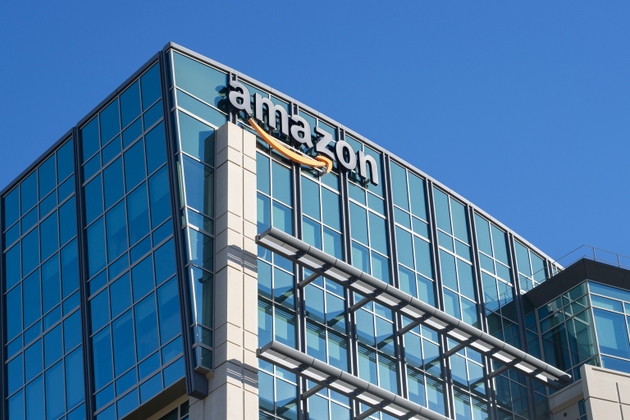
Amazon is aggressively expanding its logistics footprint by extending same-day fresh grocery delivery to business customers across more than 2,300 U.S. cities. This move, integrated through the Amazon Business platform, allows corporate clients to bundle perishable food items with standard office supplies in a single delivery window. By leveraging its existing last-mile infrastructure for the B2B segment, the company is attempting to capture a larger share of corporate procurement budgets that were previously split between specialized food distributors and general office supply vendors.
Logistics Integration and B2B Market Penetration
The strategic value here lies in the consolidation of the supply chain. For most businesses, the administrative cost of managing multiple vendors for office essentials and breakroom perishables often outweighs the price difference of the goods themselves. By forcing a convergence of these categories, Amazon is positioning itself as a one-stop procurement hub. This is not merely a convenience play; it is a direct challenge to traditional wholesale distributors who rely on fragmented purchasing habits to maintain their margins. If Amazon can successfully maintain service-level agreements for perishables at scale, it effectively raises the barrier to entry for smaller competitors who lack the density of fulfillment centers required for same-day logistics.
Operational Efficiency and Margin Implications
From an operational standpoint, the ability to bundle perishables with non-perishable supplies optimizes the utilization of existing delivery routes. Adding fresh groceries to an established office-supply route increases the revenue per stop without a proportional increase in fuel or labor costs. This is a classic density play. As Amazon continues to refine its AMZN stock page performance, the success of this initiative will be measured by the adoption rate among mid-sized enterprises that require frequent, smaller-batch deliveries rather than bulk pallet shipments. Investors should note that while this increases complexity in the cold-chain logistics network, the potential for higher customer retention rates within the Amazon Business ecosystem is significant.
Amazon currently holds an Alpha Score of 63/100, reflecting a moderate outlook as the company balances heavy infrastructure investment with these new service expansions. With the stock trading at $275.86, up 1.40% today, the market is currently digesting the potential for improved margins in the Consumer Discretionary sector. The primary risk remains the execution of the cold-chain delivery, as any failure in quality control for perishables could damage the brand's reputation with high-value corporate clients. The next decision point for the market will be the quarterly update on B2B segment growth, specifically looking for evidence that this grocery expansion is driving higher average order values or increased frequency of use among existing business accounts. For more on sector trends, see our broader market analysis.