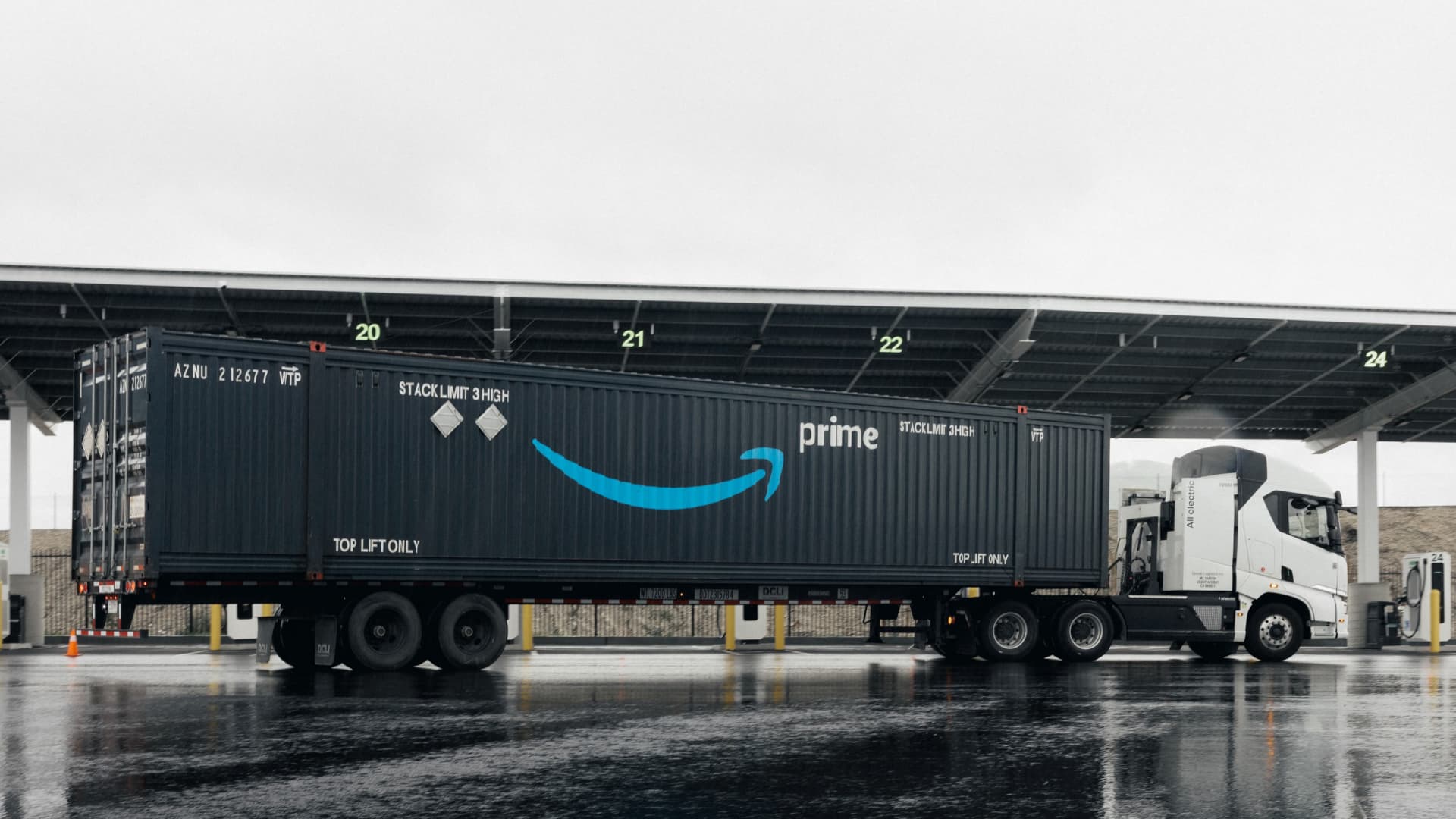
Amazon is expanding its logistics decarbonization efforts by integrating 75 heavy-duty electric trucks from Swedish firm Einride into its Relay freight network. This move marks a strategic shift toward a multi-vendor approach for heavy-haul electrification, moving beyond the company's existing reliance on Rivian and Mercedes-Benz for last-mile and medium-duty delivery solutions.
Diversification of the Freight Ecosystem
The deployment of Einride's manually operated heavy-duty electric trucks addresses a specific gap in the logistics chain. While previous electrification efforts focused heavily on the final leg of the delivery process, this expansion targets the long-haul and regional freight segments that require higher load capacities and different charging infrastructure requirements. By layering Einride into its existing fleet, Amazon reduces its dependence on a single manufacturer for its heavy-duty transition.
This strategy allows the company to test varying hardware capabilities across different geographic regions and operational environments. The integration of these vehicles into the Relay network serves as a practical stress test for the scalability of heavy-duty electric freight. It also provides a hedge against potential supply chain bottlenecks or production delays that could arise from relying on a more concentrated set of automotive partners.
Operational Impact and Infrastructure Scaling
The transition to heavy-duty electric freight requires more than just vehicle procurement. It necessitates a robust charging ecosystem capable of supporting high-capacity batteries during short turnaround times. Amazon's decision to incorporate Einride suggests that the company is prioritizing operational flexibility as it scales its climate goals. The following factors are central to this rollout:
- Deployment of 75 heavy-duty electric units into the Relay network.
- Utilization of manual operation models to integrate with current driver workflows.
- Expansion of the electrification footprint beyond light-duty delivery vans.
This shift reflects a broader trend in stock market analysis where large-scale logistics operators are moving toward modular fleet strategies. By diversifying its technology stack, Amazon is positioning itself to adapt to regional regulatory changes and localized energy grid constraints. This approach minimizes the risk of a single-point failure in its decarbonization roadmap.
AlphaScala Data and Market Positioning
Amazon currently maintains an Alpha Score of 54/100, reflecting a mixed sentiment as the company balances heavy capital expenditures in logistics and infrastructure with its core retail and cloud operations. Investors are tracking how these operational investments influence long-term margin profiles, particularly as the company navigates AMZN stock page performance amidst broader consumer discretionary sector volatility. The company's ability to maintain efficiency while transitioning its massive freight network remains a primary metric for evaluating its long-term cost structure.
Future updates regarding the performance of these heavy-duty units will be critical. The next marker for this initiative will be the disclosure of operational efficiency metrics and the potential expansion of the Einride partnership into autonomous freight testing. These developments will provide a clearer picture of how effectively Amazon can integrate third-party heavy-duty hardware into its proprietary logistics software stack.