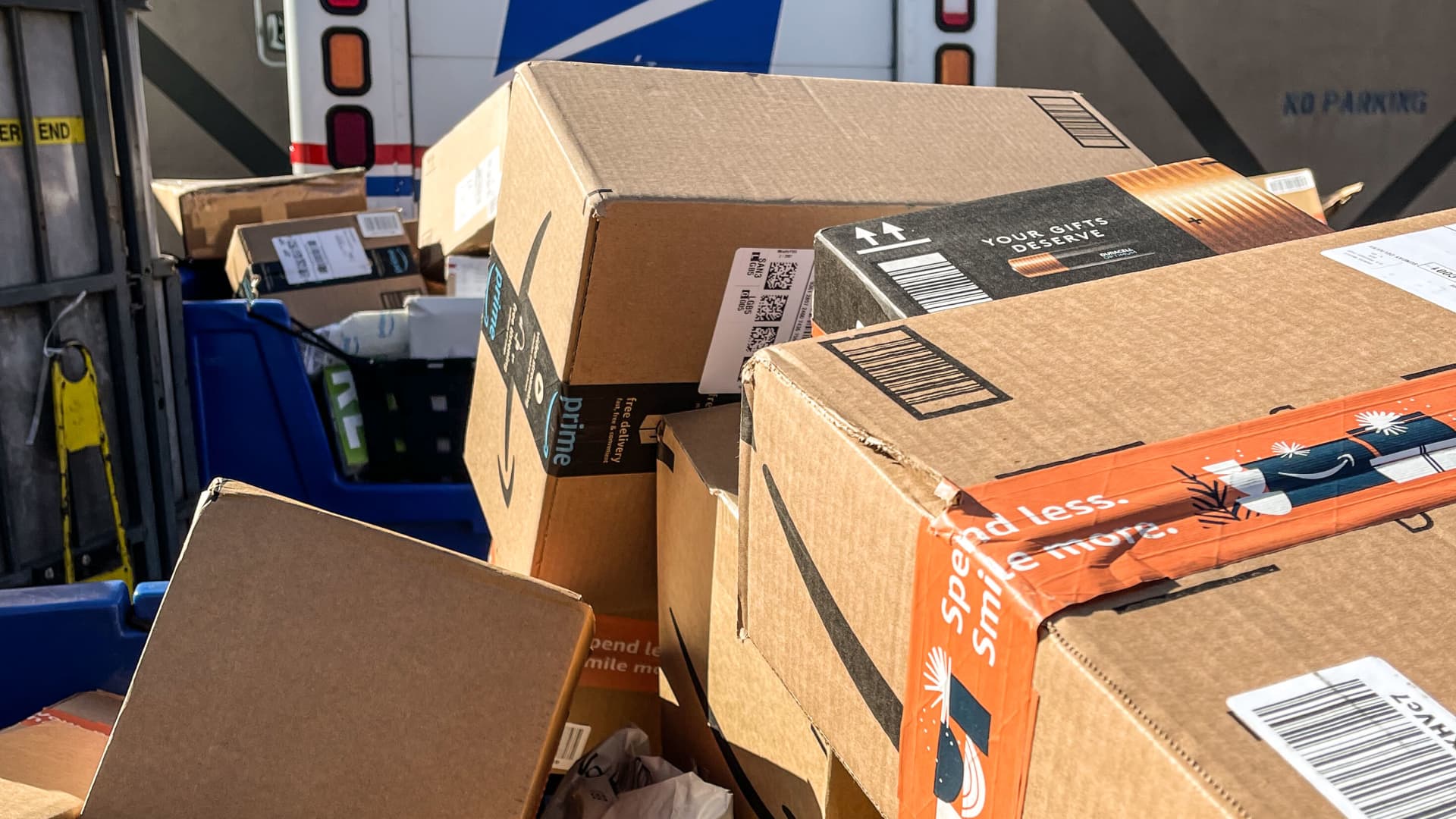
The recent operational agreement between Amazon and the United States Postal Service marks a structural shift in how last-mile delivery is prioritized across the United States. By recalibrating the partnership, the two entities have altered the cost-sharing dynamics that previously subsidized rural delivery routes. This change forces a re-evaluation of the delivery divide, where the economic viability of reaching remote locations is increasingly decoupled from the high-density efficiency found in urban centers.
Operational Realignment and Cost Allocation
The core of this shift lies in the revised terms of service between the private logistics giant and the federal agency. Historically, the USPS acted as a universal service provider, absorbing the higher per-package costs of rural delivery through a combination of volume-based pricing and statutory mandates. The new arrangement signals a move toward a more segmented pricing model. Amazon is clearly positioning its own logistics network to capture the most profitable, high-density routes, leaving the USPS to manage the lower-margin, geographically dispersed deliveries. This creates a potential funding gap for the postal service, which relies on consistent volume to maintain its national infrastructure.
For small businesses operating in rural markets, the implications are immediate. These enterprises often rely on the existing postal infrastructure to reach customers at rates that are competitive with urban retailers. If the USPS is forced to adjust its pricing to reflect the true cost of rural delivery, these businesses will face a direct increase in overhead. This dynamic threatens to widen the gap between urban and rural e-commerce competitiveness, as shipping costs become a more significant barrier to entry for smaller, remote merchants.
Sector Read-through and Logistics Efficiency
Within the broader Consumer Discretionary sector, this development highlights the limits of private-sector logistics expansion. While companies like Amazon continue to optimize their internal networks, the reliance on public infrastructure remains a critical component of total market reach. Investors should monitor how these logistics shifts impact the margins of major retailers that lack the scale to build proprietary delivery networks. The current environment suggests that the era of low-cost, universal shipping may be reaching a point of structural exhaustion.
AlphaScala data indicates that AMZN maintains an Alpha Score of 54/100 with a Mixed label, currently trading at $250.56. Investors tracking the AMZN stock page should observe whether the company can maintain its delivery speed advantage without incurring the full burden of rural logistics costs. The transition toward a more fragmented delivery model suggests that the next phase of e-commerce growth will be defined by how firms manage the rising cost of geographic reach.
The next concrete marker for this narrative will be the upcoming quarterly filings from the USPS, which will provide the first look at how the new pricing structure is impacting operational revenue. These disclosures will clarify whether the postal service can stabilize its financial position or if further service adjustments are required to offset the loss of high-density volume. Market participants should also watch for any regulatory commentary regarding the universal service obligation, as this remains the primary legal anchor preventing a complete withdrawal from unprofitable delivery zones.