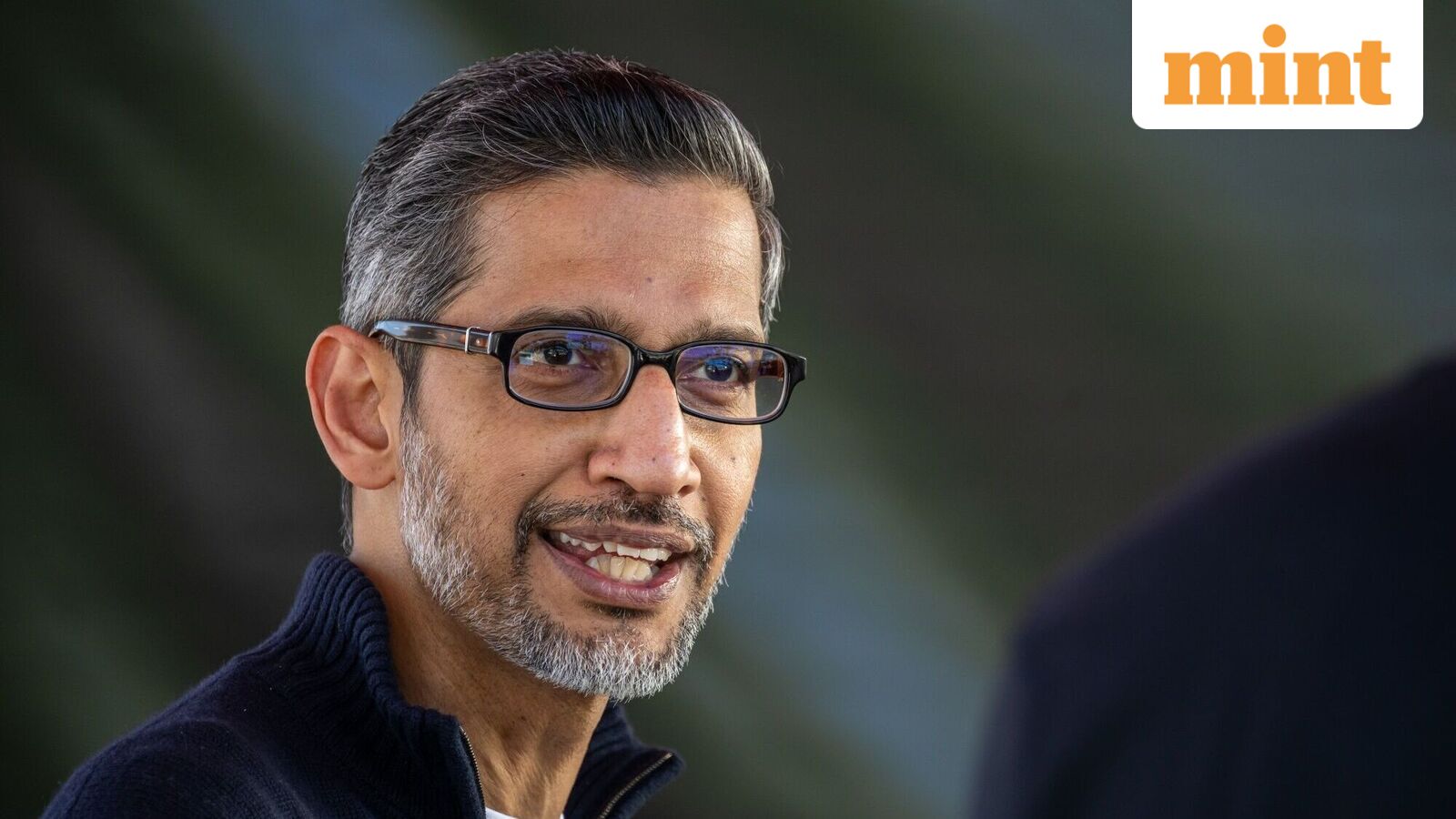
Alphabet (GOOGL) has upsized its planned equity raise to about $84.75 billion, making it the largest equity capital markets transaction in history. The move, disclosed in a 2 June filing, is meant to fund the massive infrastructure demands of artificial intelligence. It comes with a notable co-sign from Berkshire Hathaway.
Two days ago, the company planned $80 billion in combined offerings. Now it aims to raise $18 billion through Class A and C shares plus $16.75 billion through depositary shares. Alphabet received $10 billion directly from Berkshire Hathaway and an additional $40 billion via an at-the-market programme in the third quarter of the year. The total exceeds the roughly $70 billion stock sale by Brazilian oil giant Petrobras in 2010, the previous record.
For traders evaluating the AI infrastructure trade, the size and structure of this raise send a clear signal: Google parent is betting that demand growth will justify the dilution. The market is betting along with it.
The AI Spending Thesis Behind the Record Offering
The equity raise is not an emergency. It is a pre-emptive capacity play. CEO Sundar Pichai told investors that demand for Alphabet's AI solutions "is meaningfully exceeding" available supply. Two years ago the company processed 9.7 trillion tokens per month across its AI systems. Today that figure has climbed to 3.2 quadrillion tokens monthly, a more than 300-fold increase.
Alphabet operates more than 30 data centres and 40 cloud regions globally, connected by 10 million kilometres of fibre. The new capital will go directly into expanding that infrastructure: data centres, networking equipment, and AI computing hardware.
The Capex Trajectory
In April, Alphabet raised its 2026 capital expenditure forecast by $5 billion, now expecting to spend between $180 billion and $190 billion this year. The broader industry is following. Major technology companies are expected to have combined capex of over $700 billion in 2026, up from earlier projections of about $600 billion.
Why Equity Rather Than Debt
Techs typically prefer debt for large raises. Interest is tax-deductible and existing shareholders avoid dilution. Alphabet's choice of equity signals either that debt markets are not as favourable for this scale, or that management sees the current valuation (GOOGL trades at about 23x forward earnings) as an attractive window to bring in permanent capital without over-levering.
Berkshire Hathaway's Vote of Confidence
The $10 billion slice taken by Berkshire Hathaway (BRK.B) is the most notable single allocation. Warren Buffett's firm has rarely participated in large tech equity raises. The investment suggests Berkshire sees Alphabet's AI infrastructure spending as a durable competitive moat, not a speculative gamble.
On the AlphaScala scoring system, BRK.B carries a Mixed label with a score of 51/100, reflecting its own capital allocation strategy. Berkshire's willingness to back Alphabet at this size reinforces the thesis that large-scale AI compute is becoming a toll-road-style asset: high upfront cost, long-term recurring revenue from enterprise and consumer AI usage.
Pichai posted on X that the offering was "well over-subscribed." Institutional demand exceeded the supply of shares. For traders, that over-subscription is a near-term bullish signal: it suggests the equity market is willing to absorb dilution in exchange for exposure to AI spending.
Investor Takeaway: Dilution Risk vs. Capacity Opportunity
The immediate effect on GOOGL shares will depend on how the market weighs two competing forces.
The Dilution Math
- Current shares outstanding: about 12.4 billion (Class A, B, C combined)
- New shares from the raise: roughly 500–600 million depending on final pricing
- Dilution: approximately 4–5%
At first glance, giving up 5% of the equity base is a material drag on per-share earnings. If the new capital does not generate proportionate returns, the stock will underperform.
The Capacity Multiplier
Alphabet's token growth – from 9.7 trillion to 3.2 quadrillion per month – points to revenue growth that could outpace dilution. AI inference and training are both compute-intensive. The more infrastructure Alphabet builds, the more customers it can serve through Google Cloud and its own consumer AI products. If the new data centres generate returns above Alphabet's weighted average cost of capital, the dilution is a one-time cost for a multi-year growth runway.
Pichai's comment on supply-constrained demand underscores the risk of under-investment. Rivals Microsoft (backed by OpenAI) and Amazon (with Anthropic) are building aggressively. Alphabet's equity raise lets it catch up without the contractual constraints of a partnership structure.
What Confirms or Weakens the Setup
Three signals to watch:
-
Token growth vs. capex: If monthly token volumes continue to grow at the current rate (300x over two years), the capex is justified. A deceleration would expose overcapacity.
-
Google Cloud margins: The segment has been improving operating margins. Rising infrastructure costs should be offset by higher cloud revenue. A miss on cloud margins in the next quarterly report would weaken the thesis.
-
Insider selling: Post-raise, if Pichai or CFO Ruth Porat sell significant personal holdings, it would contradict the confident tone of the offering. No such sales have been filed yet.
Sector Read-Through: AI Infrastructure Becomes a Capital Allocation Game
The $84.75 billion Alphabet raise validates the largest-ever equity offering for any company. For the broader tech universe, it means the AI infrastructure arms race is entering a capital-raising phase where balance sheet strength matters as much as algorithm performance.
Companies with strong cash flows (Apple (AAPL), Microsoft) can self-fund. Those with weaker free cash flow will increasingly tap equity markets. Alphabet's oversubscribed offering suggests investors are willing to fund the build-out. They will only do so at a dilution price they find acceptable.
Smaller cloud and AI players may find it harder to compete for capital as investor attention consolidates around the biggest spenders. The "gigafund" model – where a single company raises a record sum – can crowd out secondary offerings from less established firms.
Practical Framework for Traders
Risk to watch: The equity raise closes the gap between infrastructure plans and funding. It adds execution risk. Building data centres at this scale involves supply chain bottlenecks (GPUs, power, fibre). Any delay in construction or equipment deliveries would push revenue generation into later quarters, making the dilution feel acute in the near term.
What this means: Google's AI opportunity is real. The price of admission is a 4–5% dilution today. Traders should compare that dilution to the implied growth in cloud and AI revenue. If Google Cloud revenue growth accelerates from the current roughly 30% year-over-year pace, the equity raise will look like a prudent forward investment. If growth stalls, the stock will re-rate lower.
Bottom line for traders: Over-subscription and Berkshire's involvement create a short-term floor. The real test comes when Alphabet reports its next quarter – specifically the capital spending-to-revenue conversion ratio in the cloud segment. Until then, the stock trades on the narrative that capacity creates demand, not the other way around.