Commodities● Neutral
Alligator Energy Begins Drilling at Big Lake Uranium Discovery
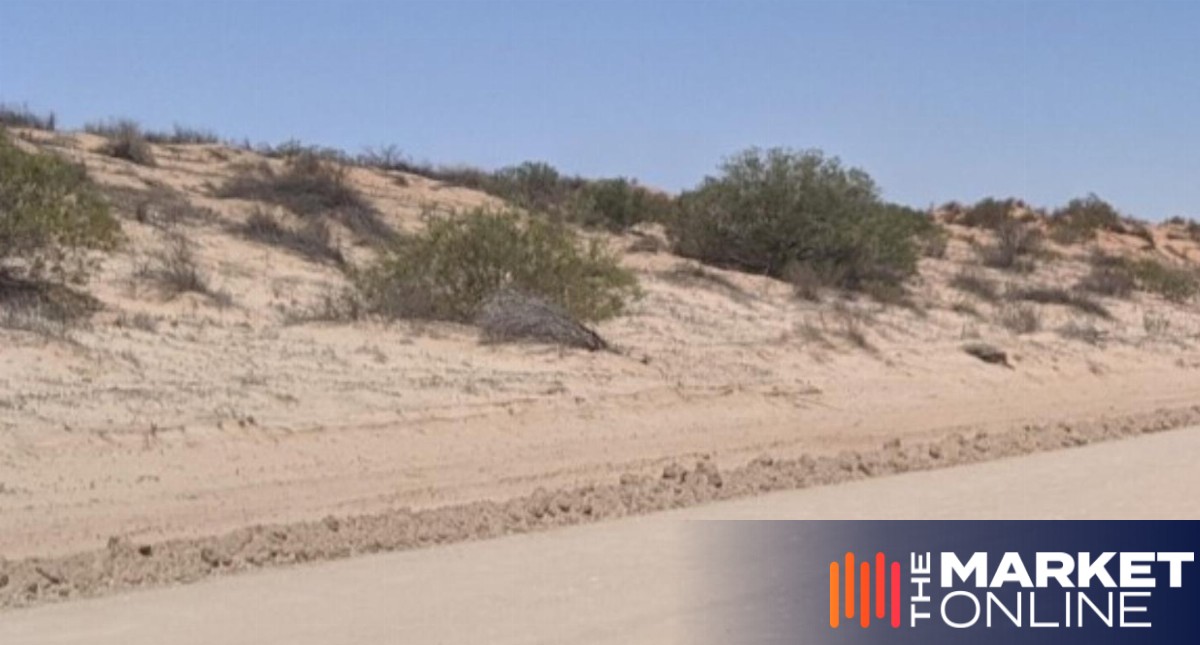
Alligator's follow-up drilling at Big Lake tests scale and continuity of the 2024 discovery. Success could open a new uranium district in South Australia.
Continue with
Alligator Energy (ASX: AGE) has kicked off a follow-up drilling program at the Big Lake uranium discovery in South Australia, the company announced Thursday. The program targets the Site 10 discovery made in 2024, which intersected substantial thicknesses of anomalous uranium mineralisation in the Namba Formation of the Lake Eyre Basin.
CEO Andrea Marsland-Smith said the discovery provided the first tangible evidence that the Lake Eyre Basin sediments can host uranium mineralisation, validating a geological model that could unlock a completely new uranium district. She called it one of the few greenfields uranium exploration opportunities to emerge in Australia in the past decade. Wet weather had delayed the return to site, making the upcoming program "particularly exciting," she added.
The discovery is the first proof of concept for uranium within Lake Eyre Basin sediments, the company said. The basin already hosts producing in-situ recovery uranium mines. Beverley and Four Mile are two examples. The Honeymoon mine is also in the same sedimentary system. Big Lake sits along the northern extension of that system, sharing characteristics of world-class ISR uranium districts.