Crypto▼ Bearish
Alleged $15B Crypto Scam Mastermind Arrested in Tokyo
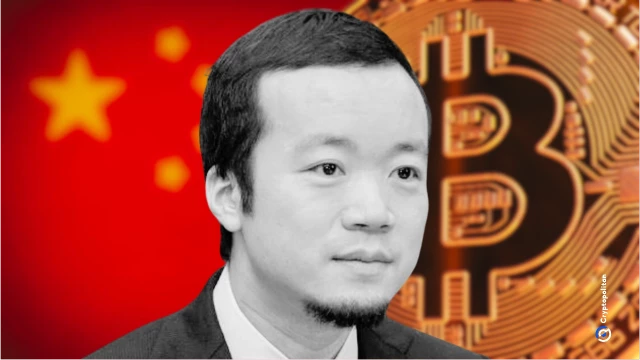
Tokyo police arrested Hu Xiaowei, accused of running forced-labor pig-butchering compounds that stole $15B in Bitcoin. U.S., UK already sanctioned him.
Continue with
Tokyo police arrested Hu Xiaowei on June 22 after tracking him across multiple luxury hotels in the city. The arrest hits one layer of a scam network the U.S. Treasury estimates moved $15 billion in stolen Bitcoin from forced-labor pig-butchering compounds in Cambodia.
The man in custody operated under at least four names: Hu Xiaowei, Hu Shi, Chen Xiao'er, and others. Japanese law enforcement said the arrest came on a charge of filing a fraudulent residency form. The investigation goes deeper. Tokyo police confirmed the individual named Chen Xiao'er on the U.S. Treasury's October 2025 sanctions list is the same person they arrested.
Hu's connection to Cambodia's Prince Group is key. Prince Group founder Chen Zhi was indicted by the U.S. Department of Justice in the largest Bitcoin forfeiture action in history, totaling 127,271 BTC, roughly $15 billion at the time. The Treasury sanctioned 146 Prince Group-linked entities in October 2025. The UK added Hu by name in March 2026, citing his role as a long-term associate of Chen Zhi providing financial and logistical support to the network.
The OCCRP first connected Hu's four identities in December 2025. Their reporting showed he owned two key Prince Group companies, held around $45 million in U.K. property, and controlled a $15 million coastal villa in Hong Kong under a Saint Kitts and Nevis passport. He also operated aircraft leasing companies under the "Cloud Nine" banner. Flight records obtained by OCCRP showed a San Marino-registered Falcon 8X making repeated trips to Tokyo.
The arrest comes in a wave of enforcement across multiple jurisdictions. The U.S., UK, South Korea, Singapore, Taiwan, and Japan have all taken action since October 2025. The FBI director posted a direct warning to crypto fraud networks. The UK's Illicit Finance Summit called for renewed pressure on scam compounds. Hu's arrest fits that pattern.