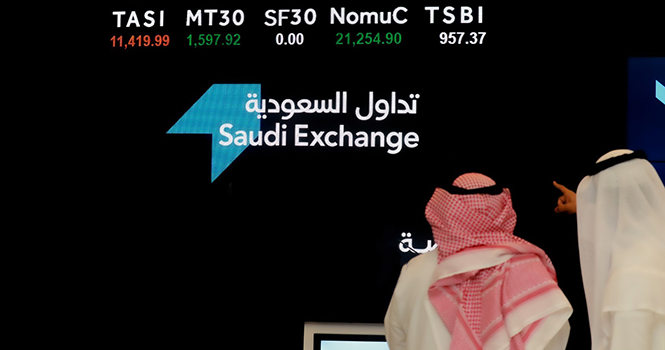
Alinma Bank, Savola Group, and Almasar Alshamil Education Co. trade ex-dividend today, May 6. Understand the mechanical price adjustments and sector impacts.
Shares of Alinma Bank, Savola Group, and Almasar Alshamil Education Co. trade ex-dividend today, May 6. For market participants, the ex-dividend date serves as a mechanical reset point where the share price is adjusted downward by the approximate value of the declared dividend. This adjustment is not a reflection of fundamental value loss but a structural requirement to ensure that only shareholders of record as of the close of the previous session are entitled to the upcoming payout.
The inclusion of Alinma Bank in this list provides a specific read-through for the broader financial sector. As a major lender, the bank's dividend policy often reflects the underlying health of its loan book and liquidity position. When a large-cap financial institution goes ex-dividend, the resulting price drop can exert downward pressure on sector-specific indices. Traders should distinguish between this technical price move and any concurrent shifts in interest rate sensitivity or credit risk assessments that might affect the stock's trajectory in the following sessions.
Savola Group, representing the consumer staples and food production segment, offers a different read-through. Dividend stability in this sector is frequently used as a proxy for operational cash flow consistency. Because these companies often operate with lower volatility compared to growth-oriented tech firms, the ex-dividend date is less about speculative positioning and more about income-focused rebalancing. Investors looking at stock market analysis often view these events as opportunities to assess whether the dividend yield remains attractive relative to the company's current valuation multiples.
Almasar Alshamil Education Co. adds a niche dimension to the day's activity. Smaller-cap education stocks often exhibit different liquidity profiles than established banking or consumer staples entities. The ex-dividend adjustment in lower-liquidity names can sometimes lead to wider bid-ask spreads immediately following the market open. Traders executing orders today should account for this potential slippage, as the mechanical price drop may temporarily distort technical indicators like moving averages or relative strength indices.
For those managing portfolios, the primary consideration is whether to reinvest these dividends or treat them as cash inflows. The decision often hinges on the current interest rate environment and the availability of other high-yield opportunities. If the broader market is experiencing elevated volatility, the cash generated from these payouts can provide a tactical buffer. However, if the sector outlook remains constructive, dividend reinvestment plans often serve as a mechanism to compound positions without incurring additional transaction costs. The next concrete marker for these stocks will be the actual payment date, where the cash inflow confirms the company's ability to maintain its stated payout policy despite any recent market fluctuations.
AI-drafted from named sources and checked against AlphaScala publishing rules before release. Direct quotes must match source text, low-information tables are removed, and thinner or higher-risk stories can be held for manual review.