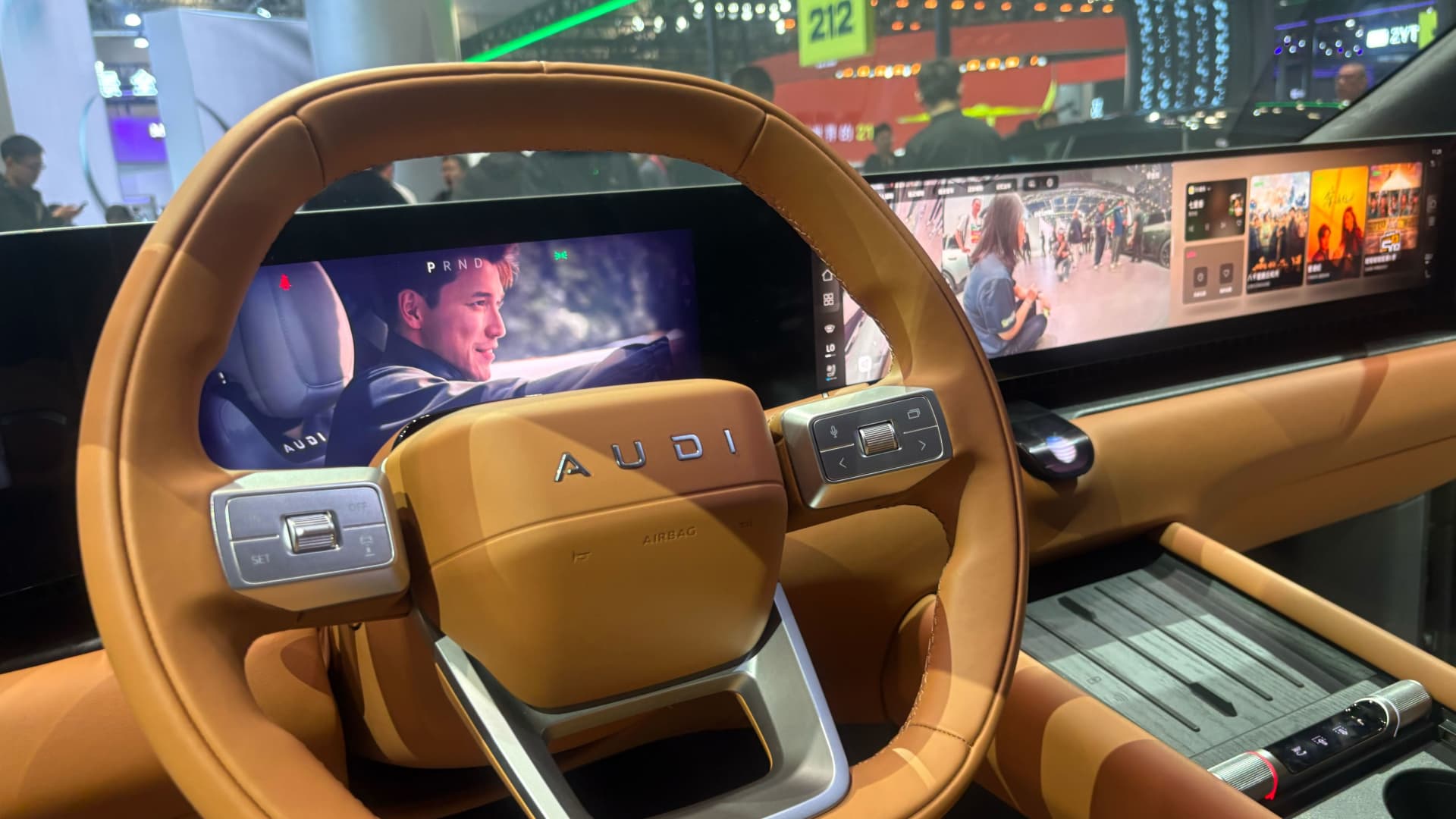
Alibaba is shifting its Qwen artificial intelligence model from cloud and enterprise environments directly into the automotive dashboard. This integration allows drivers to execute complex tasks such as ordering food, managing deliveries, and booking hotel accommodations through voice commands while operating their vehicles. By embedding these capabilities into the car interface, Alibaba aims to capture consumer engagement within the transit environment, effectively extending its e-commerce and lifestyle service ecosystem into the mobility sector.
Automotive Integration and Competitive Positioning
The move represents a strategic effort to secure a foothold in the increasingly crowded smart cockpit market. While Alibaba focuses on integrating Qwen into various automotive brands, competitors are simultaneously deploying their own AI solutions to capture the same user base. For instance, Audi is preparing for the presales of its E7X electric SUV on May 8, which will feature AI integrations from ByteDance and iFlyTek. This divergence in technology partners highlights a broader trend where legacy automakers are choosing between proprietary AI stacks and third-party platform providers to enhance in-car connectivity.
For Alibaba, the success of this rollout depends on the seamless execution of its voice-activated service layer. The ability to bridge the gap between navigation and transactional commerce requires high-level natural language processing and reliable backend integration with its existing delivery and hospitality networks. If the system functions as intended, it could transform the vehicle from a simple transport tool into a mobile extension of the company's broader digital marketplace.
AlphaScala Data and Sector Context
Alibaba currently holds an Alpha Score of 58/100, reflecting a moderate outlook as the company navigates these competitive shifts in the consumer discretionary sector. Detailed performance metrics and historical data for the company are available on the BABA stock page. This expansion into automotive AI is part of a wider trend of stock market analysis where technology firms seek to monetize AI capabilities beyond traditional software subscriptions.
- Alibaba: Qwen AI integration for voice-activated commerce.
- Audi: E7X presales beginning May 8 with competing AI partners.
- Industry Trend: Shift toward smart cockpits as a primary interface for consumer services.
The Path to Adoption
The immediate focus for investors and industry observers is the consumer reception of these AI-driven features during the initial rollout phase. The effectiveness of voice-command accuracy and the speed of transaction processing will serve as the primary benchmarks for whether this integration gains traction among drivers. As more manufacturers finalize their smart cockpit architectures, the market will look for evidence of sustained user engagement with these integrated services. The next concrete marker will be the post-launch performance data from the E7X and other vehicles utilizing these AI platforms, which will clarify whether voice-enabled commerce is a viable revenue driver or merely a secondary convenience feature.