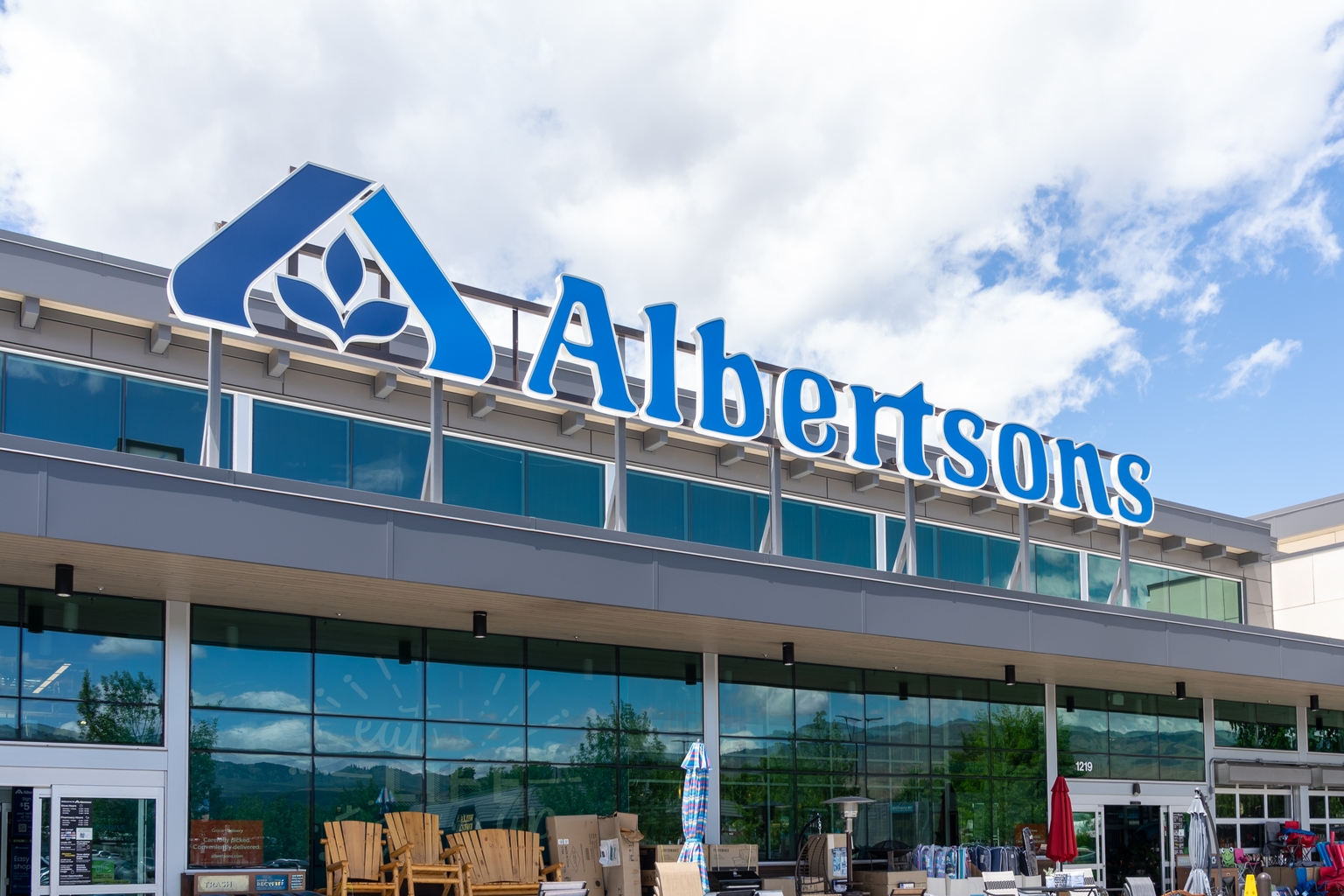
Albertsons (ACI) expects identical sales growth of 0% to 1% for fiscal year 2026, targeting an adjusted EBITDA range of $3.85 billion to $3.925 billion. The grocery chain is doubling down on its own-brand portfolio and data-driven loyalty programs to maintain margin density in a sector defined by thin operating cushions.
Operational Focus and Margin Defense
The guidance reflects a conservative outlook on top-line volatility but signals confidence in the company’s ability to extract value from its existing customer base. Albertsons has systematically pivoted toward private label offerings, which typically carry higher margins than national brands and provide a buffer against supply chain cost fluctuations. This shift is critical as the company manages ongoing legal expenses related to opioid settlement liabilities.
While identical sales growth is projected to remain flat to slightly positive, the focus remains on operational efficiency. The company’s digital transformation, centered on its loyalty platform, allows for targeted promotions that keep basket sizes stable despite inflationary pressures on consumer staples.
Market Context and Competitive Positioning
Grocery retail remains a battle of scale and data utilization. For traders monitoring the stock market analysis of the consumer defensive sector, Albertsons presents a case study in managing legacy store footprints while integrating high-margin digital services. The following breakdown highlights the core elements of the fiscal outlook:
| Metric | FY26 Guidance Range |
|---|
| Identical Sales Growth | 0% – 1% |
| Adjusted EBITDA | $3.85B – $3.925B |
"The long-term edge for the company rests on its ability to leverage proprietary data to drive private label penetration and loyalty," according to recent analyst commentary on the firm's strategic direction.
Trading Implications and Sector Outlook
Investors looking at ACI should consider three primary factors that will influence price action in the coming quarters. First, the market will scrutinize the company’s ability to hit the lower end of its EBITDA guidance if food price inflation cools further. Second, the legal overhang involving opioid litigation continues to act as a drag on sentiment, even if the operational business remains cash-generative. Finally, the potential for industry-wide consolidation remains a persistent theme in the grocery space, which often places a floor under valuations for established players.
Traders should monitor the spread between ACI’s performance and broader retail indices like the XRT. If the company sustains its margin targets, it may perform as a defensive play during periods of broader market volatility. However, the lack of significant top-line growth means the stock is likely to trade on earnings quality and capital allocation policy rather than aggressive expansion narratives.
Keep an eye on quarterly updates regarding private label penetration rates and any material changes to legal reserve provisions. These two variables will likely dictate whether the stock experiences multiple expansion or remains tethered to its current range. Focus on whether the company can sustain its EBITDA targets without resorting to aggressive promotional discounting that would otherwise erode the gains made by its private label push.