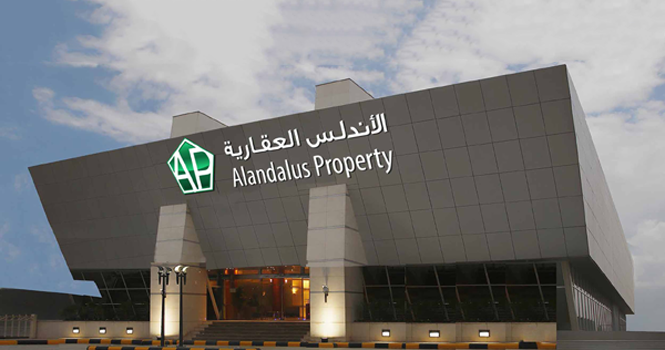
Alandalus Property Co. said today that the Al Huda Park shopping center project in Makkah reached 68% completion as of end-April 2026. The statement on Tadawul, based on a report from developer Masat Real Estate Co., confirmed the project is progressing in line with its approved execution plan and timeline. The company reaffirmed the Q1 2027 opening date and reported no material changes to the project cost so far.
The disclosure matters because Al Huda Park is a flagship asset for this mid-cap Saudi developer. The project carries an estimated total cost of SAR 831 million including land value, a commitment large enough that cost overruns or delays would directly affect margins and management credibility. With 68% physical completion at roughly the 21-month mark after construction launch in July 2024, the remaining 32% must be delivered in about 10 months to hit the target.
Project Details and the Makkah Retail Context
The land for Al Huda Park was acquired in June 2021 for SAR 174.2 million. The site sits in Makkah's Umm Jurfan district (New Al Naqa), southwest of the city, along the Fourth Ring Road (Al Ra'fah Plan). The joint development structure involves Masat Real Estate, a sister company owned 25% by Alandalus and 75% by Borouj Global. Alandalus holds a direct minority stake in the operating entity rather than full ownership, which shares capital risk but also limits direct profit capture.
Construction of the premium shopping center was announced in July 2024. The SAR 831 million total cost includes the land value, meaning the construction-only budget is roughly SAR 656.8 million. The project is being delivered as a single-phase development, typical for shopping centers in high-demand Makkah districts. Alandalus has not disclosed any pre-leasing commitments, a metric that would signal rental income visibility.
Execution Risk in the Final 32%
The first two-thirds of a retail project typically covers civil works, structural framing, and major MEP (mechanical, electrical, plumbing) installation. The remaining third involves fit-out, tenant coordination, city permits, and commissioning – phases where cost overruns and schedule slippage are most common in Saudi construction. The statement that there have been no material cost changes leaves room for immaterial inflation on steel, labor, or finishing materials, which would only trigger disclosure if it crosses the materiality threshold.
A 5% overrun on the construction-only budget would add about SAR 33 million to total costs. That sum is small relative to Alandalus's balance sheet but meaningful for project-level returns. The company's decision to avoid mentioning pre-leasing activity suggests tenant commitments may still be in negotiation. By the Q3 2026 filing, investors will expect an update on lease signings as a lead indicator of stabilized yield.
The Next Decision Point for Alandalus
On-time delivery of Al Huda Park would strengthen management credibility and could support a positive revaluation of Alandalus shares on Tadawul. A delay or cost reset would pressure margins and raise questions about execution capacity in the Makkah market. The next concrete marker is the H1 2026 earnings call, where management will likely report the progress percentage and any change in budget guidance. For allocators tracking Saudi real estate developers through platforms offering exchange access, each quarterly update either confirms the narrative or introduces execution noise.
What changed today: Alandalus gave a hard completion number and reaffirmed the timeline. What changes next: the Q3 2026 progress report and any pre-leasing disclosure will determine whether the current discount for execution risk is justified.
For more context on Saudi market dynamics, see our stock market analysis. Traders seeking efficient access can review the best stock brokers with Saudi exchange coverage.