Back to Markets
Stocks● Neutral

Akasa Air Expands International Footprint with Mumbai-Hanoi Service

Akasa Air Expands International Footprint with Mumbai-Hanoi Service

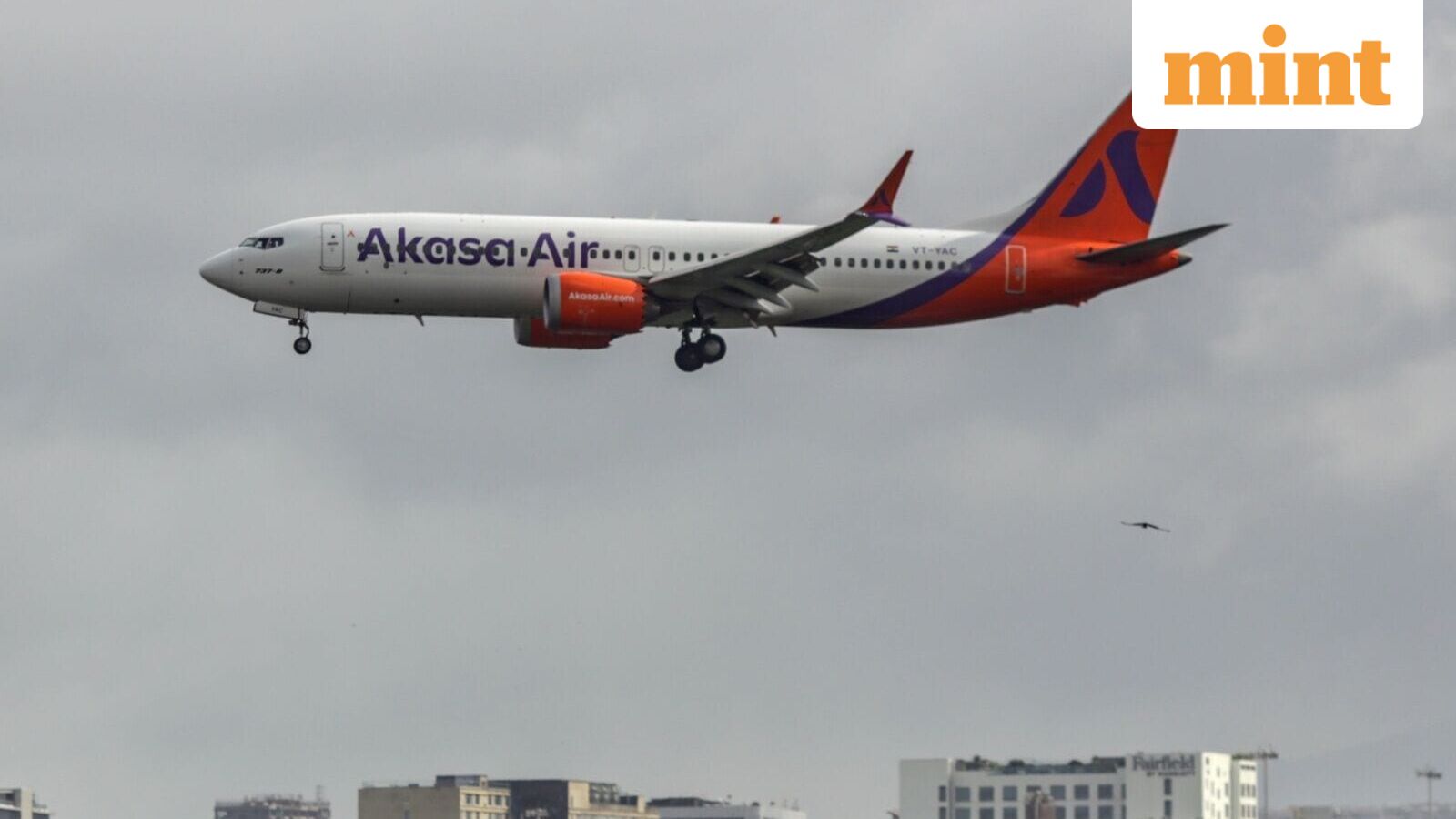
Akasa Air is launching weekly direct flights from Mumbai to Hanoi to capture growing demand between India and Vietnam. The move represents a strategic push by the carrier to build its international network in high-growth corridors.

Akasa Air has announced the launch of weekly direct flights connecting Mumbai and Hanoi, marking a strategic expansion into the Southeast Asian market. The service will operate on a weekly frequency, aiming to capture growing demand for business and leisure travel between India’s financial hub and the Vietnamese capital.

Strategic Network Expansion

The move follows a broader push by Indian carriers to increase connectivity to regional hubs as demand for international travel from India surges. By adding Hanoi to its network, Akasa Air is looking to leverage the trade and tourism corridor between the two nations, which has seen an uptick in commercial activity over the last several quarters. Management noted that the route is part of a larger plan to link domestic hubs with high-growth global destinations.

'The launch of direct flights to Hanoi strengthens our presence in South Asia and marks another step in our effort to build a network that connects India with dynamic global destinations.'

Market Implications for Aviation and Tourism

For traders and analysts, this expansion signals a competitive shift in the regional aviation space. Increased capacity on the India-Vietnam lane typically puts pressure on yields for legacy carriers that previously held a monopoly or relied on connecting traffic through hubs like Bangkok or Singapore.

  • Capacity utilization: Watch for how quickly Akasa can achieve breakeven load factors on this new route.
  • Competitive pricing: Expect potential fare wars if incumbents respond to protect market share.
  • Regional connectivity: Improved access to Hanoi may boost trade sentiment for sectors reliant on supply chain diversification out of China.

Investors should monitor the broader market analysis regarding the aviation sector’s recovery, particularly how fuel costs impact margin expansion for low-cost carriers. While the addition of international routes increases revenue potential, it also introduces exposure to cross-border regulatory risks and fluctuating demand cycles.

What to Watch

Traders should keep a close eye on upcoming monthly traffic data from the Directorate General of Civil Aviation (DGCA) to see if load factors justify the rapid international expansion. Additionally, pay attention to the crude oil profile, as jet fuel prices remain the single largest cost variable for airlines looking to scale their international operations.

Successful penetration of the Hanoi market could provide a template for future expansion into other secondary Southeast Asian cities. Failure to maintain competitive pricing, however, could lead to margin compression as the carrier absorbs the initial marketing and operational costs of the new route.

How this story was producedLast reviewed Apr 16, 2026

AI-drafted from named primary sources (exchange feeds, SEC filings, named news wires) and reviewed against AlphaScala editorial standards. Every price, earnings figure, and quote traces to a specific source.

Editorial Policy·Report a correction·Risk Disclaimer