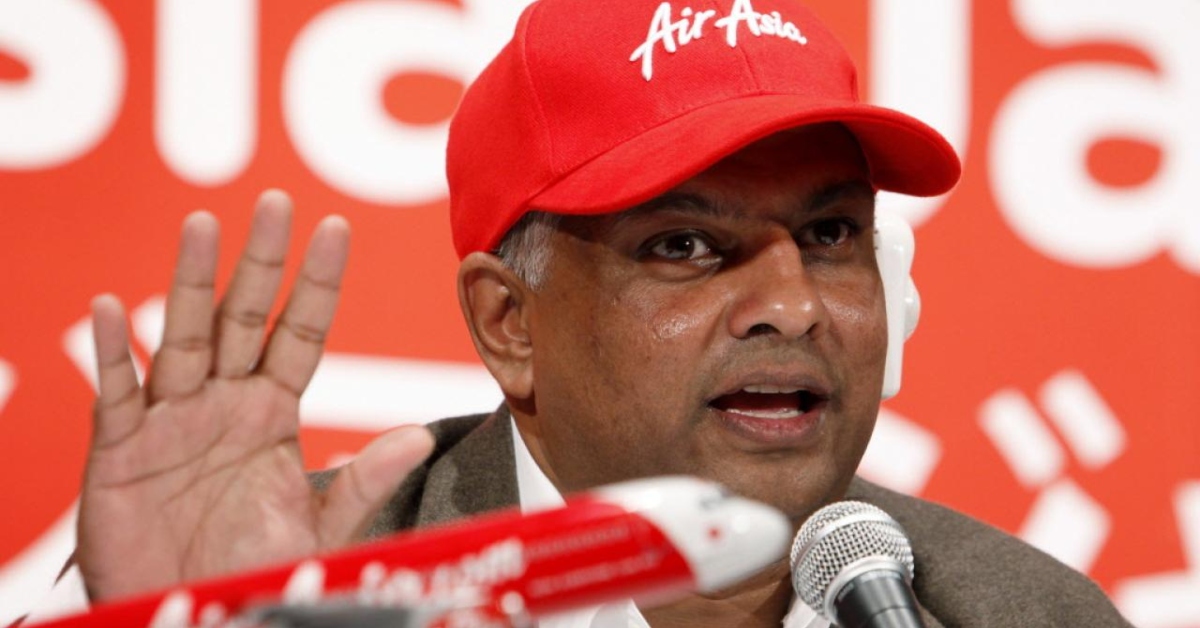
AirAsia X co-founder Tony Fernandes is doubling down on a contrarian expansion strategy, confirming plans to launch a new airline within the next two months despite significant headwinds in the global aviation sector. This move comes as the carrier faces a 35% decline in its share price since the onset of the Iran conflict, a downturn largely attributed to the company’s refusal to hedge against volatile fuel costs. While the broader market views the current geopolitical climate as a reason for retrenchment, Fernandes is positioning the group to capitalize on what he characterizes as a temporary crisis.
The Mechanics of the Unhedged Bet
The core of the current investment risk lies in the company's fuel policy. By choosing not to hedge, AirAsia has left its bottom line directly exposed to the recent spike in oil prices. While Fernandes maintains that hedging is a losing strategy over the long term, the immediate impact has been severe enough to make the carrier the worst performer on the Bloomberg World Airlines index. This decision forces the company to absorb the full volatility of the energy market, creating a direct correlation between oil price fluctuations and the firm's quarterly earnings performance. Investors tracking the stock should note that while this approach may provide upside if oil prices revert to lower levels, it creates a high-beta profile that is currently punishing the equity.
Capital Structure and Refinancing Pressures
To support its growth ambitions, AirAsia is navigating a complex capital-raising cycle. The group is preparing to issue up to US$600 million in bonds and is currently in negotiations with Malaysian banks for a significant refinancing loan aimed at reducing interest expenses. These moves are critical, as the company has already signaled that it will miss its initial profit targets for the current period, even as revenue remains largely in line with previous forecasts. The reliance on debt markets to fund expansion during a period of operational margin compression adds a layer of execution risk that requires close monitoring of the company's debt-to-equity ratios and interest coverage capacity.
Fleet Modernization and Strategic Deployment
Central to the expansion is a US$19 billion order for 150 Airbus A220 aircraft. These jets are intended to provide the operational flexibility needed to penetrate new markets across Asia. By moving away from a purely legacy fleet, the company is attempting to lower its per-seat operating costs, which is a necessary offset to the unhedged fuel risk. The group currently operates a fleet of approximately 250 single-aisle aircraft, and the new order will expand the backlog to 550 units. The deployment of these assets will be the primary indicator of whether the company can successfully scale its low-cost model into new territories like Bahrain, where it plans to establish a local unit.
Market Positioning and Sector Read-Through
For those evaluating the broader stock market analysis, AirAsia serves as a case study in aggressive capital allocation during downturns. The company’s refusal to hedge is a deliberate choice to prioritize long-term cost structures over short-term earnings stability. While this may appear reckless in the face of current geopolitical uncertainty, it reflects a belief that the current oil price environment is unsustainable. The success of this strategy hinges on two factors: the ability to secure favorable terms on the upcoming US$600 million bond issuance and the speed at which the new A220 fleet can be integrated into the network to drive efficiency.
With an Alpha Score of 60/100, the stock remains in a moderate category, reflecting the tension between its ambitious growth trajectory and the immediate financial pressures of the current energy cycle. Investors should look for updates on the refinancing negotiations as a key indicator of the company's liquidity health. If the company fails to secure the necessary capital at reasonable rates, the expansion plans may be forced to scale back, potentially weakening the bull case for the stock. As the company prepares for its upcoming announcement, the focus remains on whether the revenue stability can hold while the cost structure remains vulnerable to further external shocks.