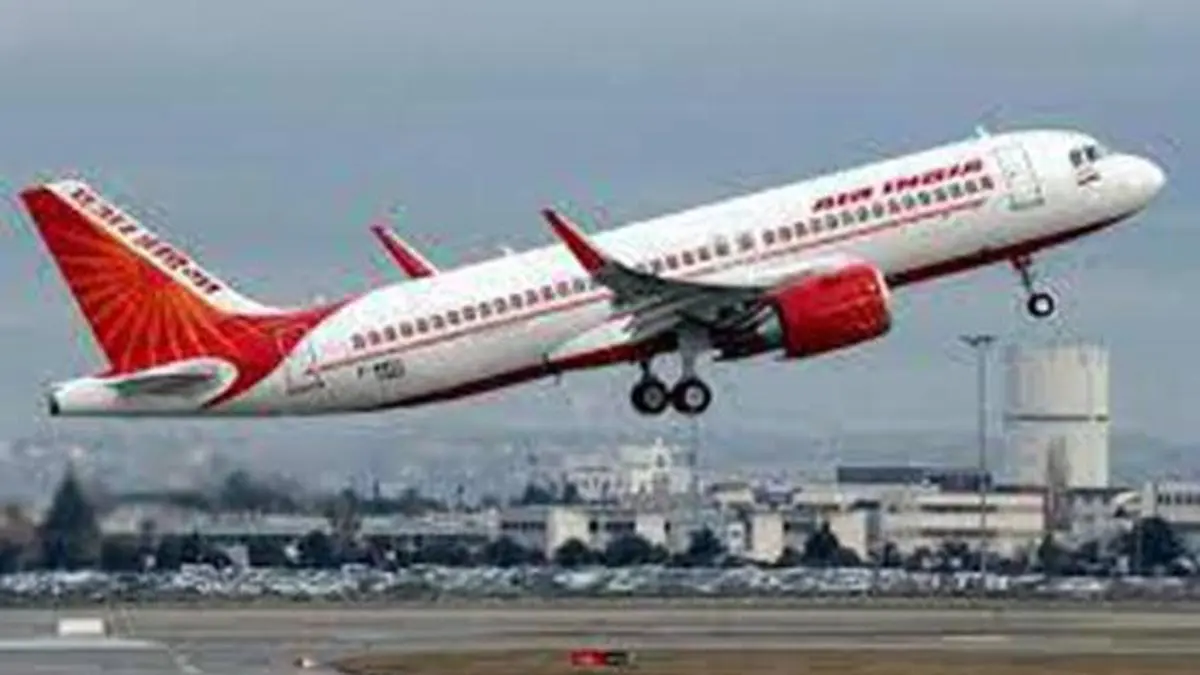
Air India has entered the final phase of its Vihaan.AI transformation program after hitting the initiative's core objectives, the airline told businessline. The Tata Group carrier launched the overhaul to strengthen its foundations and position for long-term growth.
An Air India spokesperson said the program's key objectives have been substantially achieved. Those include integration of the airline group, significant fleet and network expansion, enhanced customer propositions, major digital investments, and new organizational capabilities.
Industry sources dismissed suggestions the transformation had concluded or changed direction. Most workstreams have already transitioned into business-as-usual operations, they said.
The confirmations come as Air India temporarily rationalizes some domestic and international services. Airspace restrictions over certain regions and aircraft delivery delays drove the cuts. Elevated operating costs added pressure. Last week, CEO Campbell Wilson told employees that easing Middle East tensions and moderating jet fuel prices could allow gradual restoration of schedule reductions if the operating environment stays stable.
Two major elements have progressed more slowly than planned: fleet expansion and product upgradation through new aircraft and retrofitting existing planes. Global post-Covid supply-chain disruptions and production delays at Boeing, Airbus, and seat suppliers caused the lag. Sources said the delays have affected other airlines too and are now full steam ahead. Boeing's own production challenges are tracked on its BA stock page. The production delays at Boeing have affected deliveries across the industry. Air India's large order book makes it particularly exposed.
Air India's third line-fit Boeing 787-9 has arrived in India. A legacy Boeing 787-8 has been ferried to Victorville, California, to begin its cabin retrofit.
The airline is entering the next phase of its network strategy by concentrating operations around three domestic hubs while expanding in long and ultra-long-haul international markets. Air India Express will take a larger role in domestic and short-haul international operations under the Air India Management Committee.
Sources said Air India will focus on point-to-point international traffic while building a larger transit passenger base through its domestic hub-and-spoke network. The goal is faster, more efficient international travel options with less dependence on overseas transit hubs.
On profitability, sources acknowledged the target has been pushed back due to "black swan" events. The closure of Pakistan airspace and last year's crash caused a substantial financial hit. Air India reported a loss of around ₹26,000 crore in FY26, with accumulated losses near ₹60,000 crore since its January 2022 privatization.
Sources said many airlines globally are suffering from such events. The strong foundation laid since privatisation has shown resilience and is expected to endure any further impact.
The slower fleet expansion limits Air India's ability to capture market share on high-demand domestic routes where rival carriers have been adding capacity. The financial losses remain a drag. ₹26,000 crore in FY26 alone.