Commodities● Neutral
Air India Trims Global Routes Amid ₹22,000 Crore Loss
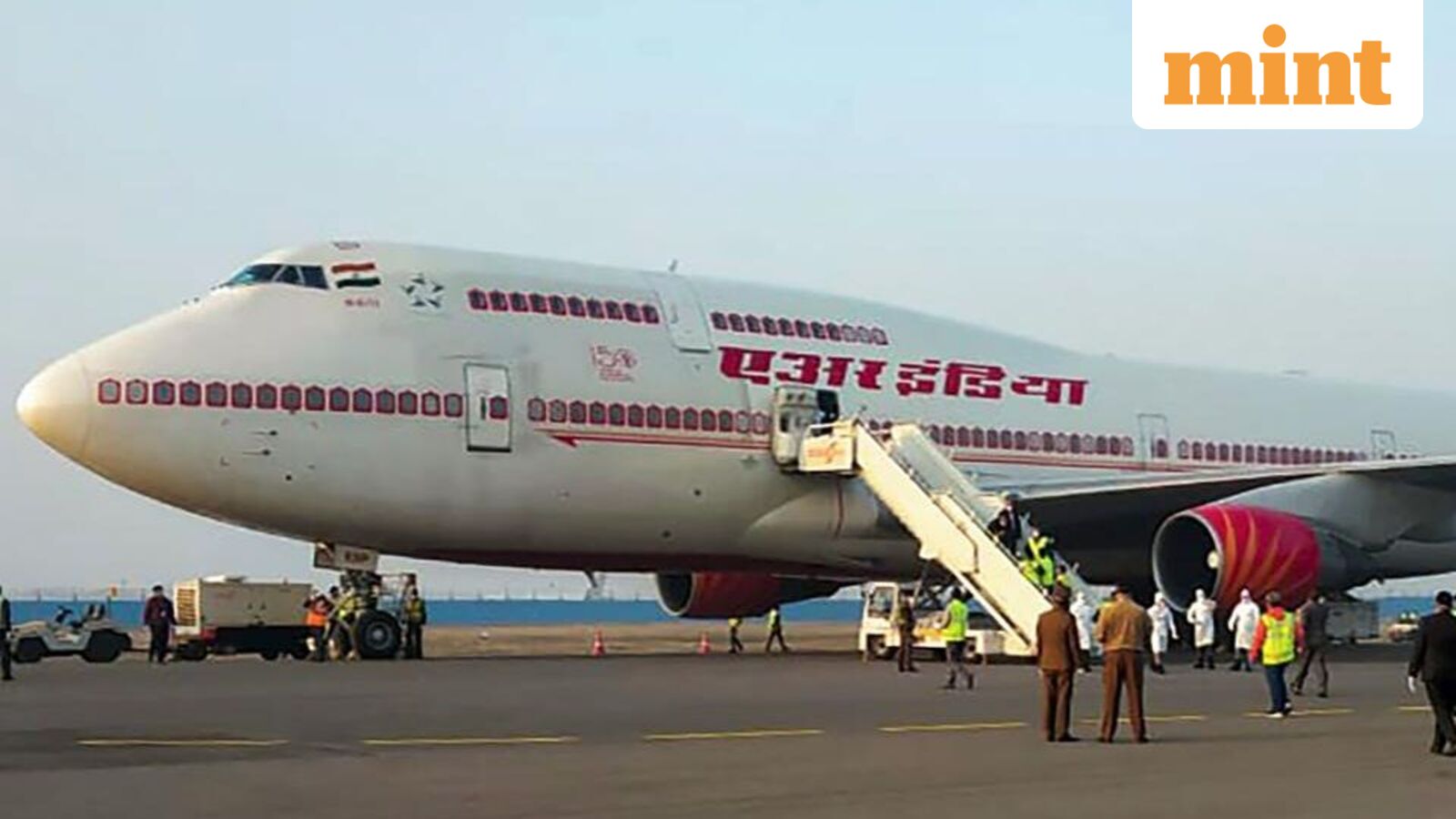
Air India is cutting international flights through July 2026 after reporting losses over ₹22,000 crore. Rising fuel costs and airspace closures remain key.
Continue with
Air India is scaling back its international flight schedule through July 2026. The decision follows a period of significant financial pressure, with the airline group reporting losses exceeding ₹22,000 crore for the 2026 fiscal year. This contraction reflects a broader struggle within the aviation sector to manage rising operational costs while navigating a volatile geopolitical landscape.
Fuel Cost Pressures and Profitability
The primary driver behind the reduction in service is the sustained elevation of jet fuel prices. As a major component of airline operating expenses, fuel volatility directly impacts the viability of long-haul routes. When fuel costs outpace ticket revenue, airlines are forced to prune their networks to protect margins. The current fiscal performance indicates that the cost of maintaining these international connections has become unsustainable under existing pricing structures.
Airspace Constraints and Route Efficiency
Operational challenges are further compounded by airspace closures linked to the ongoing conflict in West Asia. These restrictions force carriers to adopt longer, less efficient flight paths to avoid restricted zones. Increased flight times necessitate higher fuel consumption and crew costs, effectively eroding the profitability of routes that were previously viable. The decision to cut services suggests that the airline is prioritizing fleet utilization on more efficient corridors rather than absorbing the costs associated with extended detours.