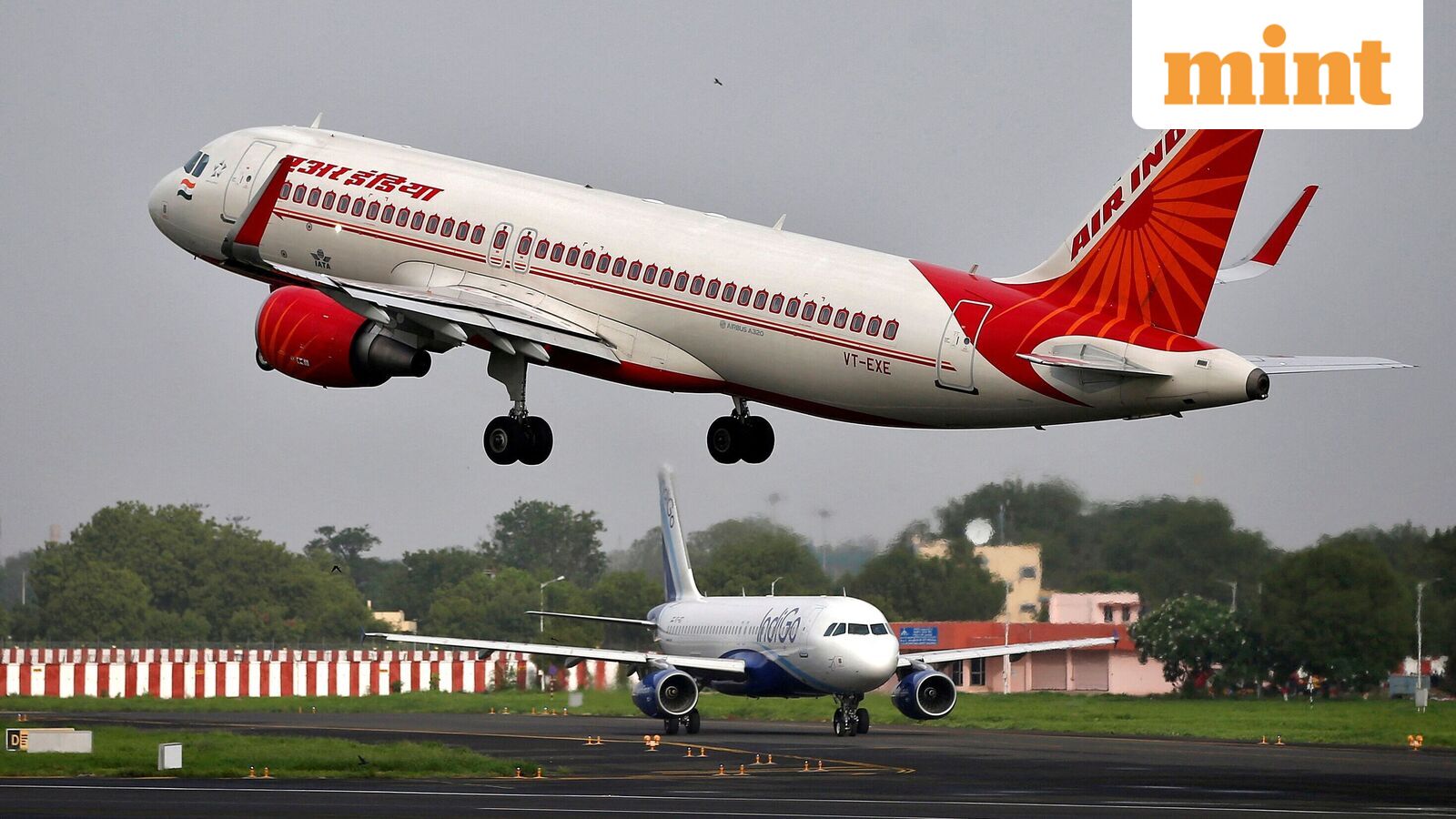
Air India has pushed the timeline for its fleet upgrade program into 2029, citing persistent supply chain bottlenecks that have hampered the delivery and retrofitting of aircraft. The final phase of the modernization effort is now scheduled to commence in the second half of 2027, with a projected two-year window required to reach completion. This shift marks a significant departure from earlier expectations for the carrier as it attempts to overhaul its aging fleet to compete more effectively in the international aviation market.
Supply Chain Pressures on Aviation Logistics
The delay highlights the broader vulnerability of the aviation sector to manufacturing and logistical disruptions. Air India is currently navigating a complex transition involving the integration of new aircraft alongside the refurbishment of existing assets. When original equipment manufacturers face production backlogs, the ripple effect forces airlines to extend the operational life of older, less efficient planes. This creates a drag on fuel efficiency and maintenance costs, which can complicate the financial outlook for carriers undergoing major restructuring.
Strategic Implications for Fleet Modernization
The decision to extend the timeline into 2029 suggests that the carrier is prioritizing the stability of its current operations over an aggressive, high-risk rollout. By spacing out the final phase of the upgrade, the airline may be attempting to mitigate the impact of component shortages that have plagued the industry for several quarters. This approach allows for better alignment between capital expenditure and the actual availability of parts and labor. The success of this strategy depends on the ability of suppliers to stabilize output levels before the 2027 start date.
AlphaScala Data and Sector Context
Market participants often look to large-scale capital projects as indicators of sectoral health. While this specific delay is company-specific, it underscores the ongoing challenges in the industrial supply chain that affect companies across various sectors. For instance, firms like ON Semiconductor Corporation continue to navigate the complexities of global supply logistics, while retailers like Target Corporation face their own inventory and distribution hurdles. Our current data reflects these varied pressures, with Target holding an Alpha Score of 64/100 and ON Semiconductor at 45/100. These scores illustrate the mixed sentiment currently surrounding companies heavily reliant on global manufacturing and distribution networks.
The next concrete marker for this narrative will be the mid-2027 progress report, which will confirm whether the supply chain environment has sufficiently improved to support the final phase of the fleet upgrade. Any further slippage beyond the 2029 target would likely force a reassessment of the carrier's long-term capacity growth plans and its ability to capture market share in key international corridors. Investors should monitor subsequent fleet delivery schedules and maintenance expenditure reports to gauge the effectiveness of the revised timeline.