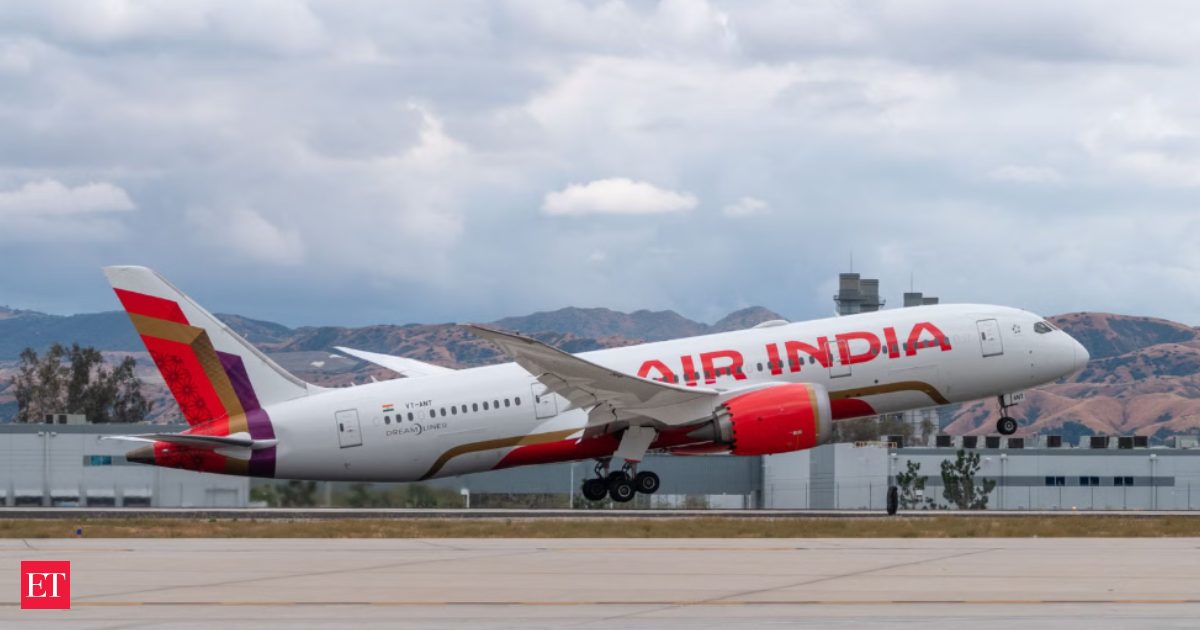
Air India has completed the first retrofit of its Boeing 787-8 fleet, marking a critical milestone in the airline's $400 million capital expenditure program. The aircraft, which underwent extensive upgrades at a Boeing facility in California, now features a standardized three-class cabin configuration. This shift aligns the 787-8 fleet with the airline's broader widebody service standards, moving away from legacy cabin layouts that previously constrained operational flexibility across international routes.
Fleet Standardization and Operational Impact
The transition to a three-class configuration is designed to harmonize the passenger experience across Air India's long-haul network. By retrofitting the 787-8, the airline reduces the variance in its cabin product, which is essential for maintaining consistent service levels on high-density international corridors. This modernization effort is not merely cosmetic; it represents a structural attempt to improve asset utilization and competitive positioning against regional carriers that have already transitioned to modern cabin standards.
The integration of new interiors and updated livery serves as a tangible marker of the airline's ongoing fleet renewal. For the broader aviation sector, this move underscores the necessity for legacy carriers to invest in cabin retrofits to maintain market share in an environment where passenger expectations for onboard amenities have shifted significantly. The $400 million investment reflects a commitment to extending the operational life of existing airframes while simultaneously reducing the performance gap between older assets and new deliveries.
Capital Allocation and Sector Read-Through
This capital-intensive approach to fleet management highlights the challenges inherent in legacy airline operations. While new aircraft orders often dominate headlines, the ability to successfully execute retrofits on existing platforms is equally vital for maintaining a cohesive brand identity and operational efficiency. The success of this program will likely serve as a benchmark for other carriers currently evaluating whether to retire older widebody assets or commit to mid-life interior overhauls.
AlphaScala data currently tracks various industrial and technology players, including the BA stock page, which remains a focal point for investors monitoring the delivery and maintenance cycles of the 787 platform. While the NOW stock page and A stock page operate in different sectors, the overarching theme of capital efficiency remains a common thread for firms undergoing significant operational pivots. The ability of Boeing to support these complex retrofits at its California facility provides a secondary revenue stream that complements its primary manufacturing output.
The next concrete marker for this narrative will be the deployment of the retrofitted 787-8 into active service. Investors and industry analysts will monitor the impact of these cabin upgrades on load factors and premium cabin yield performance. As Air India continues to roll out these modifications across the remainder of its 787-8 fleet, the primary metric for success will be the reduction in maintenance-related downtime and the resulting improvement in fleet-wide operational reliability.