Stocks● Neutral
Air Force, Navy, Coast Guard Vets Face Higher ALS Rates
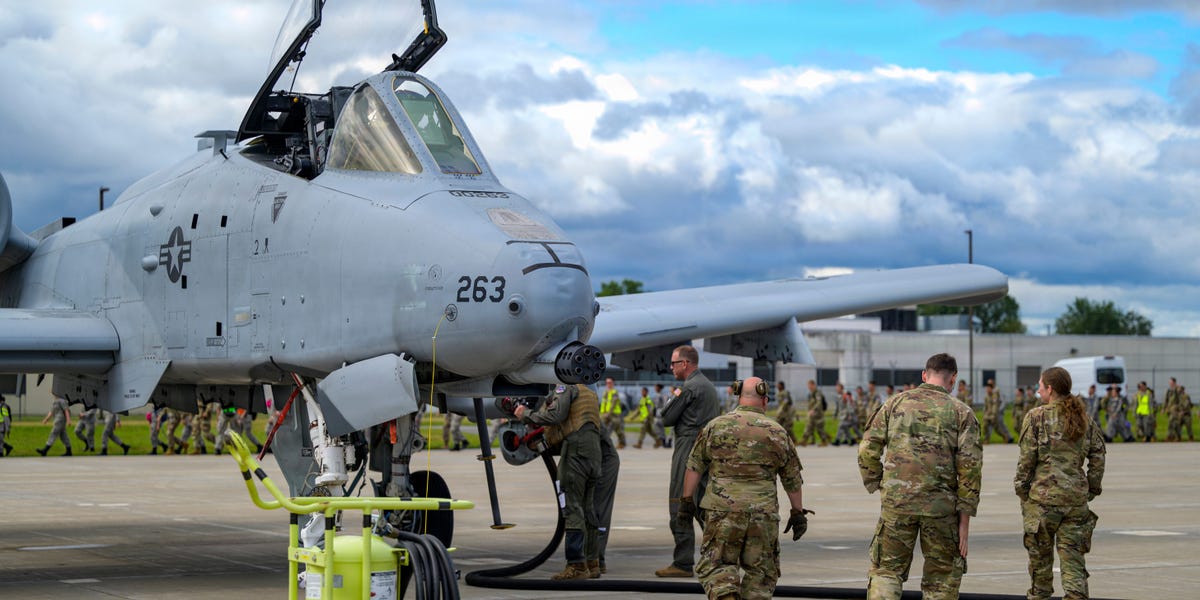
Air Force, Navy, and Coast Guard veterans developed ALS at rates 15-29% higher than Army veterans, a new study of nearly 10 million VA patients found. Officers faced 64% higher risk.
Continue with
Veterans who served in the Air Force, Navy, or Coast Guard developed ALS at rates 15% to 29% higher than Army veterans, a study published last month in the journal Neurology found.
The analysis covered nearly 10 million veterans who received Department of Veterans Affairs healthcare between 2000 and 2024. Of those, almost 14,500 had an ALS diagnosis. Officers faced a 64% higher risk than enlisted personnel.
Researchers did not identify the specific jobs or exposures driving the gap. ALS, or amyotrophic lateral sclerosis, is a degenerative disease that destroys nerve cells controlling voluntary movement. Patients progressively lose the ability to speak, eat, move, and breathe. The disease is often hard to diagnose and is fatal.
"Military service is a known risk factor for the development of ALS," Marc Weisskopf, an environmental epidemiologist at Harvard and a study author, said in a university announcement. "Little is known about what factors may contribute to that risk."
Weisskopf cautioned that ALS remains rare, so even statistically significant differences by branch and rank represent only modest increases in absolute risk.
Previous studies have also linked military service to higher ALS rates, according to the National Institute of Neurological Disorders and Stroke. Veterans may face exposure to lead, pesticides, and other toxins. ALS is more common in older white men, though it affects all populations.