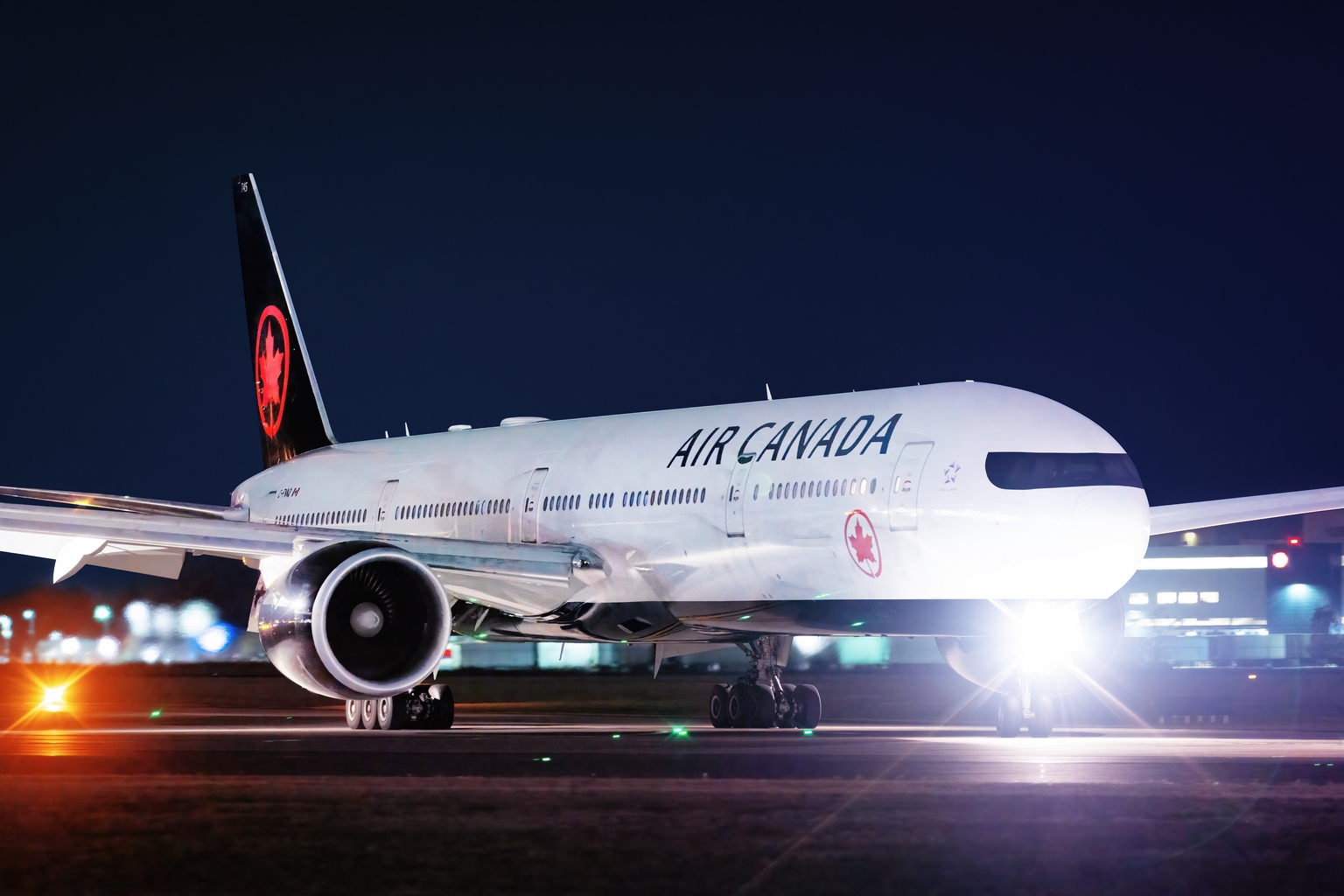
Air Canada carries the cheapest valuation among major North American carriers, trading at 4.5x forward EBITDA, a 25% discount to the sector median, according to a Seeking Alpha analysis. That discount sits behind an upgrade thesis built on cabin diversification and fleet modernization.
The airline is splitting its cabin product more sharply – premium economy on widebody routes, a denser narrowbody layout for domestic and sun flying. The fleet plan retires 30 older 737s and 767s by 2026, replacing them with MAX and A321XLR frames that burn less fuel per seat. Premium cabin revenue grew 18% year-over-year at constant currency, the analysis notes, a pace similar to United and Delta in the transatlantic market.
Unit cost, adjusted for stage length, is expected to drop 3–4% annually over that cycle, the company told analysts in November. The revenue story looks real. The problem is that a retooling like this requires two parallel cost streams – paying down leases on old frames while taking delivery and crewing new ones – for roughly 18 months. That overlap appeared in Q4 cash flow. Free cash flow turned negative by C$217 million after a C$180 million positive print in Q3, driven by delivery deposits and engine overhauls on the older fleet that cannot be deferred, the analysis says.
Leverage adds another layer. Net debt to EBITDA sits at 2.9x. That number would rise by a full turn if EBITDA compresses in a slowing economy. Canada's economy is more rate-sensitive than the U.S., and Air Canada's domestic and U.S. transborder routes account for roughly half of revenue. If the Bank of Canada cuts rates but the economy softens anyway, that mix turns defensive.
The market appears to be pricing the airline for a narrow set of scenarios: a strong consumer willing to trade up to premium economy, fuel prices inside a tight band, and no disruption from aircraft delivery delays. Each is a known risk. Boeing delivered 26 MAX frames to the airline last year. The plan called for 33. The shortfall pushed C$400 million in planned capacity growth into 2026, the analysis reports.
The premium revenue shift is real. The fleet modernization is necessary. Yet the margin of safety in the valuation depends on those things working in sequence without a macro hit. The mechanical overlap of old leases and new capex lasts until late 2026. That is a long time to hold a stock built for a tight path. Air Canada reports Q1 results on May 7. Unit revenue guidance will tell the room how much of the premium story is holding.