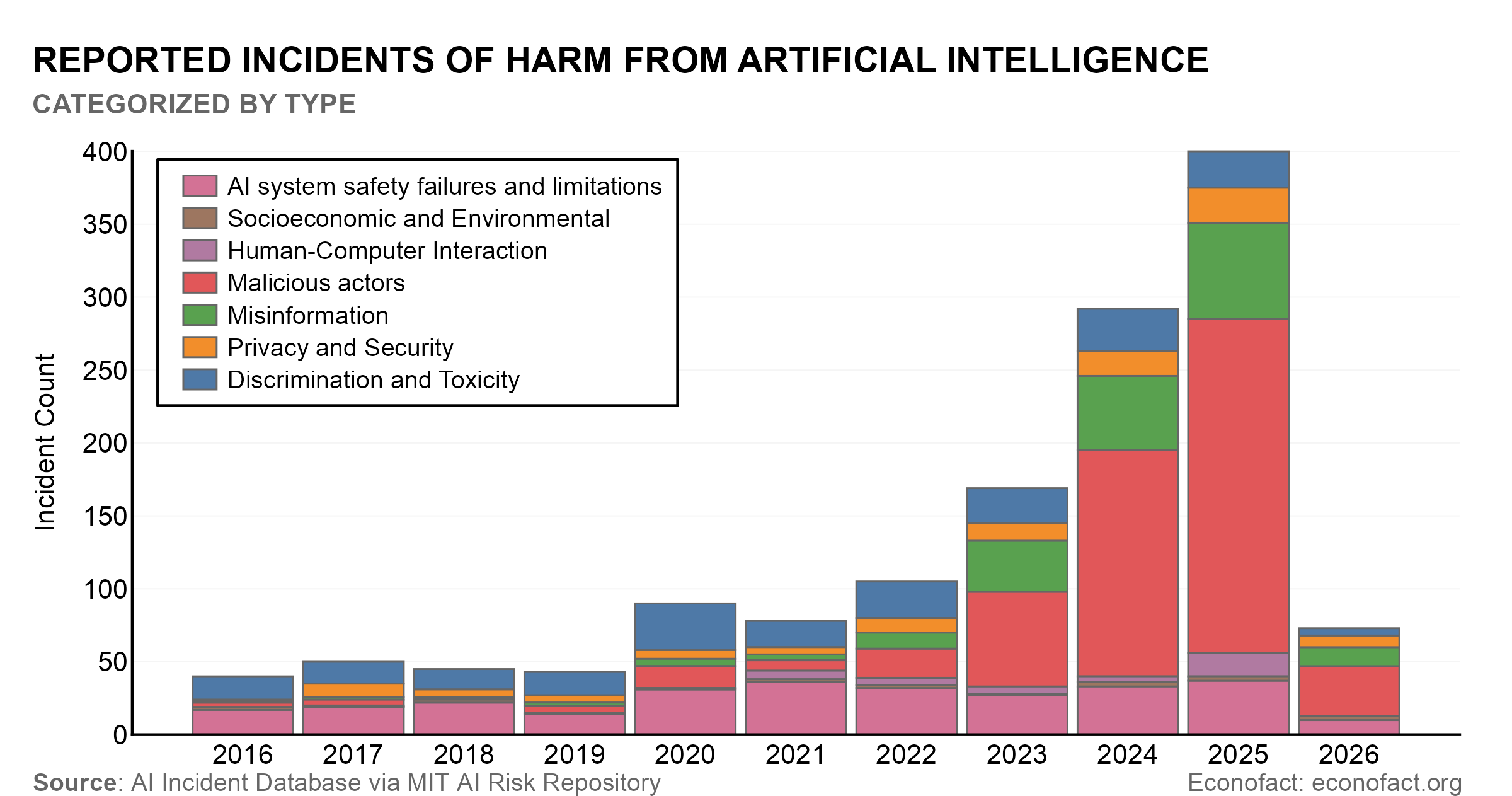
AI-driven litigation is forcing insurers to determine if algorithmic risks are insurable, creating a new financial hurdle for companies deploying AI systems.
The rapid integration of artificial intelligence into commercial operations has created a new class of legal and financial exposure that traditional insurance models are struggling to quantify. As AI systems take on more autonomous decision-making roles, the resulting lawsuits are expanding in both frequency and legal complexity. This shift forces a fundamental question for developers and operators: whether the liability associated with AI-driven outcomes can be effectively transferred to insurers or if the risks are becoming too unpredictable to underwrite.
The core problem for insurers lies in the lack of historical data to price AI-related risk. Unlike established sectors where actuarial tables provide a clear path to premium calculation, AI systems operate in a landscape of evolving legal precedents. When an AI model produces a faulty output that results in financial loss or legal damages, the chain of responsibility is often obscured between the developer, the operator, and the end-user. This ambiguity makes it difficult for insurance companies to determine which party bears the primary burden of liability, potentially leading to a coverage gap that leaves companies exposed to significant capital impairment.
Insurers are currently in a defensive posture, evaluating which AI-related risks are insurable and which are fundamentally unquantifiable. If the industry determines that AI risks are too systemic or volatile, they may restrict coverage through narrow policy definitions or high deductibles. This would shift the financial burden back onto the companies developing these systems. For firms heavily invested in AI deployment, this creates an execution risk where the cost of risk management could rise sharply, impacting margins and capital allocation strategies. If insurers refuse to cover the most severe outcomes, such as those leading to massive class-action settlements, the barrier to entry for smaller AI developers could rise significantly due to the inability to secure adequate protection.
While the broader market continues to price in the growth potential of AI, the insurance sector is acting as a necessary check on the speed of adoption. The current uncertainty regarding liability creates a binary outcome for companies that rely on AI for critical business functions. If insurance markets fail to provide a robust risk-sharing mechanism, companies may be forced to limit the scope of their AI applications to mitigate potential bankruptcy risks. For those tracking the sector, the next concrete marker will be the emergence of standardized AI-specific insurance products that explicitly define the limits of coverage for algorithmic errors and data-related legal challenges. This will serve as the primary indicator of whether the industry views AI risk as a manageable operational cost or a systemic threat to corporate balance sheets. For more on how these shifts impact broader stock market analysis, investors should monitor the evolving language in corporate risk disclosures regarding AI-related litigation.
AI-drafted from named sources and checked against AlphaScala publishing rules before release. Direct quotes must match source text, low-information tables are removed, and thinner or higher-risk stories can be held for manual review.