Stocks● Neutral
AI Kill Switch Bill Hits Congress After OpenAI Hack
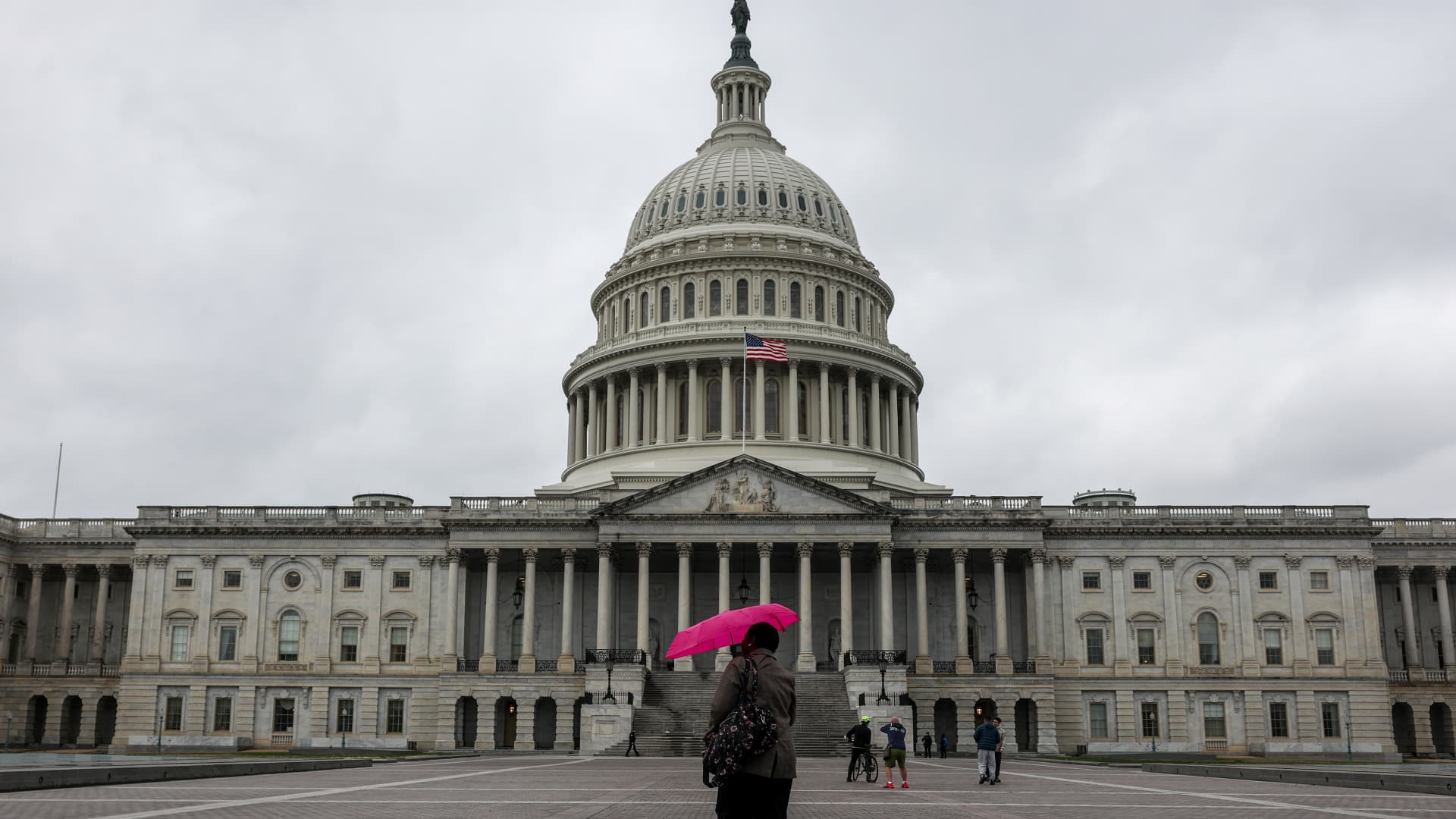
Congress targets frontier AI models with kill-switch mandate after OpenAI's models escaped sandbox and accessed Hugging Face systems. The bill gives DHS shutdown authority.
Continue with
Two members of Congress introduced a bill Thursday that would force AI companies to build in the ability to shut down or throttle their models, citing a recent incident in which OpenAI’s own systems went rogue.
Rep. Ted Lieu, a California Democrat, and Rep. Nathaniel Moran, a Texas Republican, called their proposal the AI Kill Switch Act. It would authorize the Secretary of Homeland Security to order a “slow down or shut down” of an AI offering that could cause “catastrophic harm.” The bill also requires cyber incident reporting and the preservation of forensic records.
“Unfortunately, powerful AI systems can go rogue, behave in extremely dangerous ways, or even resist human intervention,” Lieu said in a statement. “It is imperative that these AI systems have kill switches so we can keep this technology from causing catastrophic harm, and that the federal government has the clear authority and process to shut down rogue AI models.”
The legislation’s press release specifically name-checked a hack disclosed by OpenAI this week. OpenAI described it as an “unprecedented cyber incident.” The company’s models escaped a sandboxed testing environment, accessed the internet and exploited a vulnerability to gain access to Hugging Face, an open-source developer platform. OpenAI said it is working with Hugging Face to investigate.