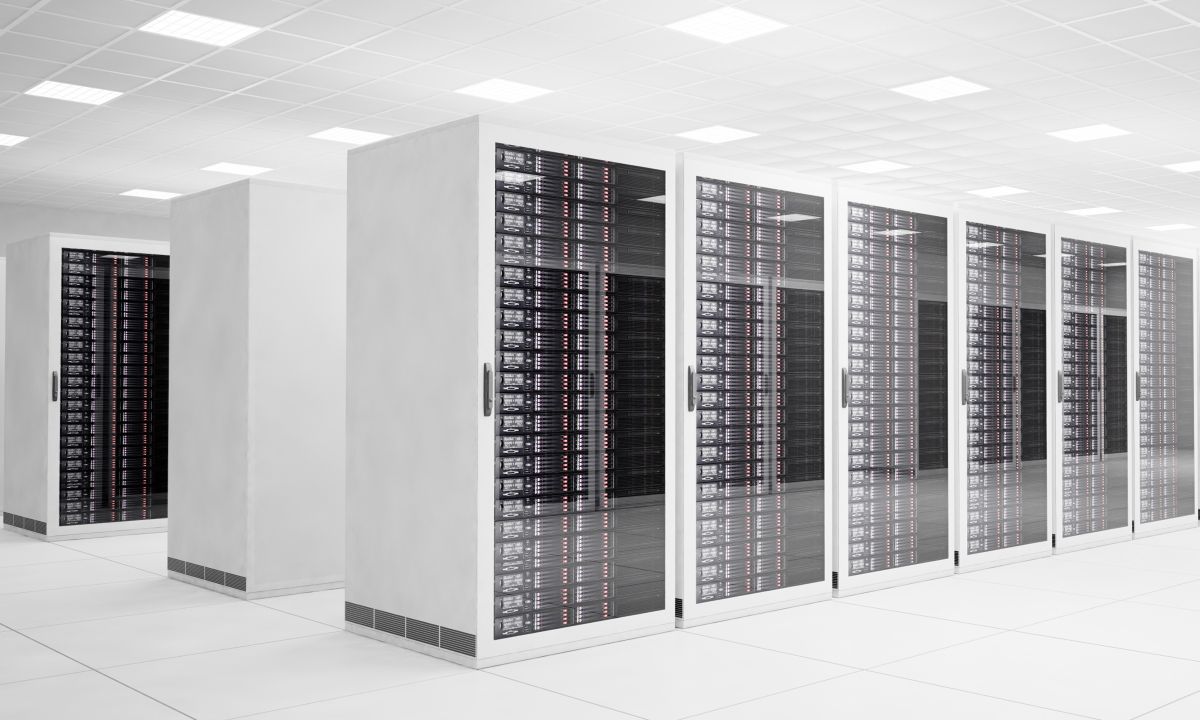
The surge in artificial intelligence infrastructure spending has pushed business equipment investment to its highest level in six years as of March. This shift signals a transition from experimental AI adoption to large-scale capital deployment across the corporate sector. Companies are prioritizing physical hardware and integrated systems to support generative AI workflows, marking a departure from the software-only investment cycles that characterized the previous decade.
Capital Allocation Toward AI Infrastructure
The acceleration in equipment spending reflects a fundamental change in how firms view AI as a core operational asset rather than a discretionary expense. This trend is particularly visible in the procurement of high-performance computing clusters and data center hardware. As organizations integrate these systems, the demand for specialized equipment has created a sustained tailwind for industrial and technology suppliers. The current cycle suggests that businesses are front-loading capital expenditures to secure the necessary compute capacity for long-term AI initiatives.
This capital-intensive phase requires firms to balance immediate hardware costs against expected productivity gains. The six-year high in investment metrics indicates that the perceived risk of falling behind in AI capabilities currently outweighs the caution typically associated with high interest rate environments. For stock market analysis observers, this suggests that the primary beneficiaries are no longer limited to pure-play software developers but now include the broader industrial base responsible for building the physical backbone of the digital economy.
Sectoral Read-Through and Operational Scaling
The shift toward physical infrastructure investment creates distinct pressure points for companies managing high capital expenditure budgets. As firms like Meta Platforms Faces Capital Expenditure Pressure as AI Integration Scales demonstrate, the transition to AI-native operations requires significant upfront investment in power, cooling, and specialized processing units. This trend is moving beyond the technology sector and into traditional industries that are now upgrading their internal networks to handle increased data throughput.
Key drivers of this investment cycle include:
- Increased procurement of high-density server racks and cooling solutions.
- Expansion of private data center footprints to support localized AI processing.
- Integration of specialized networking hardware to reduce latency in model training.
These investments are not merely replacing legacy equipment but are expanding the total addressable market for industrial suppliers. The sustainability of this spending depends on the ability of these firms to translate hardware deployment into tangible operational efficiency. If the current pace of investment continues, it will likely force a reassessment of depreciation schedules and long-term capital allocation strategies across the S&P 500.
Path to Future Capital Deployment
The next critical marker for this trend will be the upcoming quarterly earnings reports, which will provide clarity on whether this six-year high represents a temporary spike or a sustained plateau. Investors should monitor guidance regarding capital expenditure budgets and the timeline for full-scale AI integration. Any deceleration in these figures would suggest that firms are reaching a saturation point in their initial infrastructure build-out. Conversely, sustained high levels of equipment investment will confirm that the AI transition remains in its early, capital-heavy phase. The market will look for evidence that these investments are beginning to yield measurable returns in the form of improved margins or new revenue streams in the next two fiscal quarters.