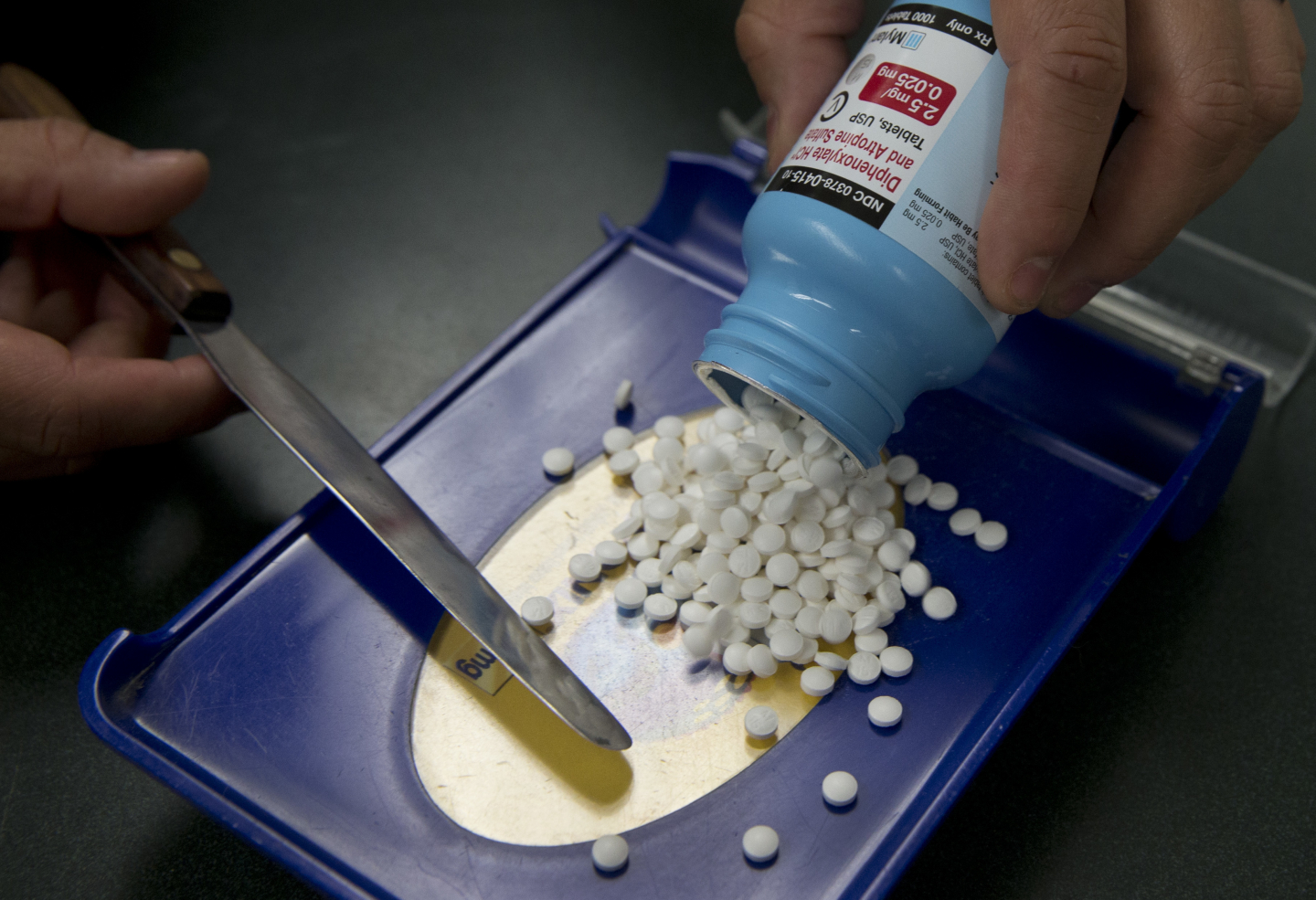
AI-discovered drugs enter late-stage trials in 2026. A single positive readout could validate the approach. A failure would reinforce institutional skepticism.
Investors have poured billions into using artificial intelligence to discover new drugs. 2026 is the first year that will test whether those bets pay off.
Traditional drug development takes a decade and costs billions. AI models promise to cut both by scanning millions of molecular candidates in silico before a single lab experiment. The pitch is simple: faster, cheaper, more targeted.
The naive read is that AI will revolutionize the entire pipeline. The better market read is more cautious. Drug trials fail at high rates regardless of how the candidate was discovered. AI may improve the odds at the discovery stage. It does not eliminate the binary risk of Phase 2 and Phase 3 readouts.
Several AI-discovered compounds are now in late-stage trials. The first pivotal results are expected in 2026. A single positive readout could validate the approach and send shares of the involved companies sharply higher. A failure would reinforce the skepticism that has kept many institutional investors on the sidelines.
The sector's valuation already reflects a wide range of outcomes. Some AI-drug stocks trade at premiums that assume multiple successes. Others have been punished after early-stage data disappointed. The gap between the two groups is a measure of the uncertainty.
What matters for traders is the binary nature of the catalyst. A trial readout is not a gradual signal. It is a single data point that either confirms or refutes years of work. Position sizing and risk management matter more here than in most biotech plays because the swing can be extreme.
The next 12 months will bring several such readouts. No single trial will settle the debate. The pattern across multiple results will tell investors whether the AI boom in pharma is real or overhyped.
Prepared with AlphaScala editorial tooling from the source reporting linked above. Indexable analysis may include a cited Alpha Score value. Publishing checks screen each story before release. Educational coverage, not personalized advice.