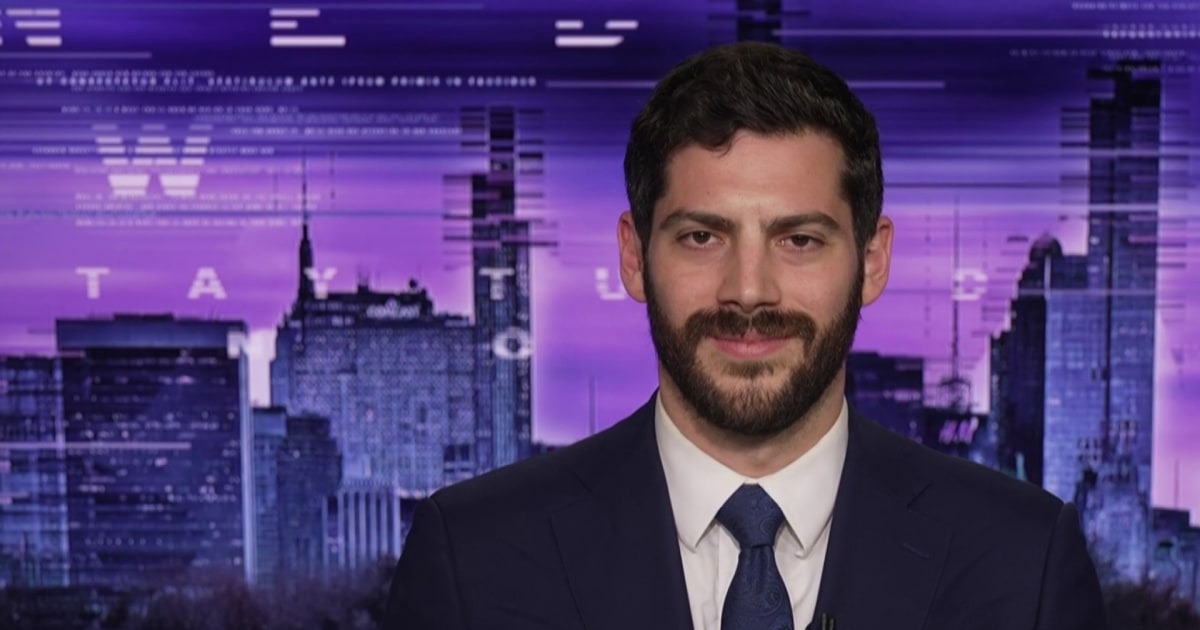
State Assemblyman Alex Bores, a candidate for New York's 12th Congressional District, told NBC News that several top artificial intelligence companies are actively opposing his candidacy. The interview is the first public acknowledgment that major AI firms are spending political capital against a single candidate. The industry has historically lobbied through trade groups. Direct opposition marks a shift toward electoral intervention.
The opposition is a market signal. If Bores wins the primary or general election, his platform could accelerate federal AI regulation. That would hit the valuation of companies reliant on unrestricted model training and deployment. The campaign provides a real-time case study in how the AI sector is moving from pure advocacy to direct electoral risk management.
Why AI Firms Target the Bores Candidacy
Bores represents a new wave of state-level politicians who combine technical literacy with regulatory ambition. His background in software engineering and previous work on algorithmic accountability bills in the New York Assembly makes him a credible threat to the industry's preferred approach of voluntary standards.
The opposition is not public. Bores did not name the companies involved. The fact that they are mobilizing at the congressional candidate level suggests they see a material risk to their legislative outcomes. A single seat in a competitive primary can shift the House balance on a key committee.
For markets, the implication is straightforward. A Bores victory raises the probability of a federal bill covering AI model disclosure, liability for automated decisions, or training-data transparency. Those are the line items that would force compliance spending and limit revenue from certain use cases.
What This Signals for AI Sector Political Strategy
The AI industry has historically focused on coalition lobbying through groups like the Information Technology Industry Council. Direct candidate opposition is a newer tactic. It signals that at least some leading firms now view certain politicians as existential threats to their business model, not just negotiation counterparts.
This mirrors the playbook used by big tech in the late 2010s. Companies like Facebook and Google ran targeted opposition campaigns against antitrust-focused candidates. The difference is that AI firms are acting earlier in the electoral cycle. That suggests greater urgency.
Investors tracking the sector should watch how other candidates for open seats react. If Bores's opponents on the left also receive industry pushback, the pattern confirms a broad-based regulatory risk across the tech sector. If the opposition is isolated to Bores, it may indicate a personal or ideological dispute rather than a systemic shift.
Market Implications for AI-Regulation Sensitive Stocks
No single congressional candidate can single-handedly pass AI regulation. A Bores victory would amplify legislative momentum at a time when the House is already considering multiple AI bills. The stocks most exposed to this outcome are those with the highest reliance on unregulated training data and minimal internal compliance structures.
Companies with diversified government contracting or defense AI exposure face a different risk profile. They may benefit from certification mandates that favor incumbents. The key variable is whether regulation takes a vertical (sector-specific) or horizontal (economy-wide) form. A horizontal bill would hit every AI company equally. A vertical one could create winners and losers.
- Horizontal regulation: Higher compliance costs across all AI firms, compression of margins, slower deployment.
- Vertical regulation: Opportunities for specialist providers of compliance tools, risk for platforms that train across multiple verticals.
Bores's previous state-level work focused on algorithmic accountability, which is a horizontal framework. That bias matters for the market read-through.
Decision Point: The Primary Election
The next concrete catalyst is the New York 12th Congressional District primary. A Bores win would elevate the AI regulation narrative from a speculative theme to a live policy risk. A loss would delay the timeline. The opposition itself indicates that industry engagement has already shifted.
Traders should also monitor Bores's campaign contributions and any formal opposition filings from AI PACs. A direct expenditure would confirm the magnitude of the threat the industry perceives.
The interview itself is a catalyst brief: a concrete data point showing that the AI industry now views electoral politics as a direct risk management channel. The next few weeks will show whether that view proves justified.
For broader context on how regulatory shifts affect sector valuations, see our stock market analysis.